SA329 (82.3 ov)
 AUS
AUS AFG177
 ZIM44/1 (7/20 ov, target 178)
 SAA0
SAA0 EST0
EST0 SAS
SAS LAZ
LAZ ROMA
ROMA CAG
CAG TOR
TOR COMO
COMO BAN
BAN WI
WI IND-W
IND-W ZIM-W
ZIM-W GOA
GOA SC Delhi
 Milan
Milan Bologna
 Parma
Parma Udinese
 ABH0
ABH0 ALF1
ALF1 PAK110
 SL114/2 (18.1/50 ov, target 111)
 NAM316/7
 IRE253 (44.5/50 ov, target 317)
 NZ198/3
 IND199/4 (13.2 ov)
 SIKM184
 NAGA187 & 46/4 (34 ov)
 JHK131/4 (47 ov)
 DELHI515/5d
 ODSA194
 SVCS13/0 (5 ov)
 BRODA616
 J & K6/0 (4 ov)
 CHD685/5d
 HP49/0 (14 ov)
 CGR216/8 (95 ov)
 AP231
AP231 HYD193/2 (54 ov)
 PNJB431
 KNTKA297/7 (95 ov)
 TPURA194
 KER101/6 (35 ov)
 BENG350
 MAHA278/9 (100 ov)
 GUJ223
 AUCK
AUCK CANT
CANT CD
CD ND
ND DEN
DEN QAT
QAT KENYA
KENYA KUW
KUW POA
POA SPR
SPR BRB
BRB VAG
VAG NED371/5
 OMA265 (49.3/50 ov, target 372)
 JAB113 (19.3/20 ov, target 133)
 KAY132/9
 PNG155
 SEEB0
SEEB0 EBFC0
EBFC0 Venezia
 Inter Milan
 Genoa
Genoa Juventus
 Sevilla2
 Osasuna0
 PSG2
PSG2 Lyon0
Lyon0 Mohun Bagan1
 Chennaiyin0
 BEI2
BEI2 JHM2
JHM2 RCH0
RCH0 KRE0
KRE0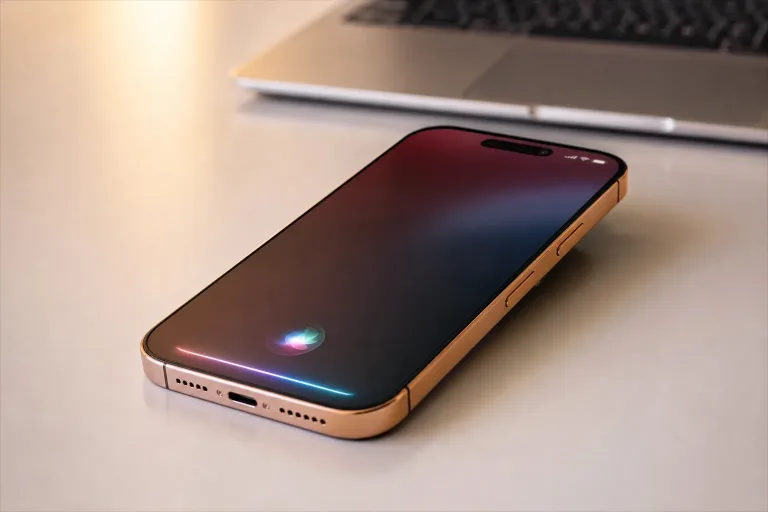
Apple settlement — Apple has just settled a false advertising case for $250 million. That’s a hefty sum: $250 million.
This settlement has cast a significant shadow over the excitement surrounding the company’s latest artificial intelligence feature demonstrations at the 2026 Worldwide Developers Conference. While engineers showcased impressive machine learning integrations, this legal matter serves as a sobering reminder of the scrutiny companies face regarding their marketing claims in the tech sector.
Finalized just ahead of this year’s developer event, the agreement specifically addresses past claims about hardware performance and display capabilities that didn’t meet the advertised standards for a portion of the global user base.

Apple settlement: The Legal and Financial Scope of the Settlement
The $250 million payout marks one of the largest settlements aimed at consumers in recent memory, prompting the company to rethink how it communicates technical specifications to the public. Consumers who bought devices between 2024 and 2025 can claim compensation if their hardware didn’t meet the performance benchmarks highlighted in earlier promotional materials, according to recent coverage by OpenAI Blog.
This situation creates real tension for both developers and consumers, who now wonder if the AI-driven performance metrics highlighted at this week’s conference will face similar legal challenges if they don’t hold up in real-world use.
Beyond the immediate financial implications, the settlement has triggered changes in how Apple reviews its internal marketing processes. The company is now including more detailed disclaimers in its promotional videos and press releases.
This shift is crucial since the industry is still grappling with the gap between lab benchmarks and actual user experiences. While Apple asserts that these AI features are designed to integrate seamlessly across its ecosystem, the legal shadow indicates that any deviation from promised performance could lead to further litigation.
Apple settlement: Impact on WWDC and Future Artificial Intelligence Deployments
The timing of this announcement couldn’t be worse for the brand, especially since the 2026 Worldwide Developers Conference is heavily focused on AI workflows. Many new software features depend on local processing power, making the accuracy of hardware-related claims even more crucial.
If the hardware can’t handle the heavy computational demands of these new AI models, Apple risks repeating the cycle of consumer dissatisfaction that led to the current $250 million settlement.
| Factor | Historical Context | Impact on 2026 AI Rollout |
|---|---|---|
| Legal Exposure | $250M settlement for false advertising | Increased scrutiny on performance claims |
| Marketing Strategy | Over-promising on hardware specs | Shift toward granular, cautious disclaimers |
| Consumer Trust | Declining sentiment post-2025 | Higher demand for transparent benchmarks |
The big question is whether Apple can keep its signature marketing flair while sticking to new, stricter standards for technical accuracy. If the upcoming software updates don’t deliver on the promises made during the keynote, the brand will find it much harder to defend its position in court, according to recent coverage by VentureBeat AI.
Investors are closely monitoring the stock trajectory, eager to see if this legal challenge impacts their long-term adoption of the new AI platform. As competition heats up, providing verifiable and reliable performance will truly test this year’s product cycle.
FAQs
What does the $250 million settlement cover?
The settlement addresses claims that hardware performance and display metrics were misrepresented in marketing materials for products sold between 2024 and 2025.
Are the new AI features affected by this legal issue?
Even though the AI features are new, the settlement has prompted the company to adopt more cautious and transparent marketing language to avoid similar legal risks for upcoming product launches.
How can users determine if they are eligible for compensation?
Users who purchased specific hardware models during the 2024–2025 window should check the official settlement website to verify eligibility based on their device’s specific serial number.
How does the $250 million settlement affect Apple’s credibility regarding new AI features?
This settlement makes both consumers and industry analysts scrutinize Apple’s marketing claims more closely, as prior legal issues surrounding misleading advertisements create skepticism about whether the new AI capabilities showcased at the 2026 WWDC will perform as promised.
Will the legal settlement influence how Apple markets future software updates?
Apple will likely adopt a more cautious and transparent approach to marketing future software updates to avoid further litigation and to rebuild consumer trust after the negative publicity surrounding the $250 million false advertising settlement.