LAZ2
 PAR1
 RCL2
 PAR1
 MEX-W
 ARG-W
 ATM1
 DEP0
 ADO2
 HEE3
 CLB2
 TOR0
 GVFC0
 FCP0
 Internacional2
 Botafogo0
 UAE
 NED
 PAK
 ENG
 IND-W
 ZIM-W
 GMB
 LES
 MOZ
 ZMB
 Inter Milan
 Fiorentina
 Churchill
 Punjab FC
 NGA
 UGA
 RIY2
 TAA1
 CHE0
 TOT2
 VAL1
 VIL2
 DOR1
 SGE0
 NZ-A135/3 (41 ov)
 IND-A113
 SYL
 KHU
 MYMS299/4 (87 ov)
 CHATT
 DHA293/3 (84.1 ov)
 RAJ
 RAN320/5 (80 ov)
 BAR
 DEN
 PNG
 NAM321/6
 IRE290 (47.3/50 ov, target 322)
 NZ180/5
 IND181/6 (19.5/20 ov, target 181)
 Mirassol1
 São Paulo1
 Vitória1
 Athletico-PR1
 Athletic
 Getafe
 C Palace
 Newcastle
 Hull
 Brentford
 Liverpool
 Brighton
 Man United
 Bournemouth
 Atalanta
 Frosinone
 NAP3
 ROMA3
 KHO0
 ETT3
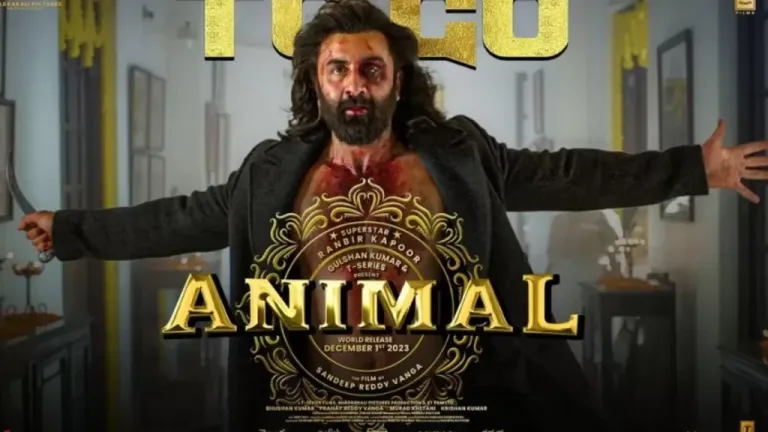
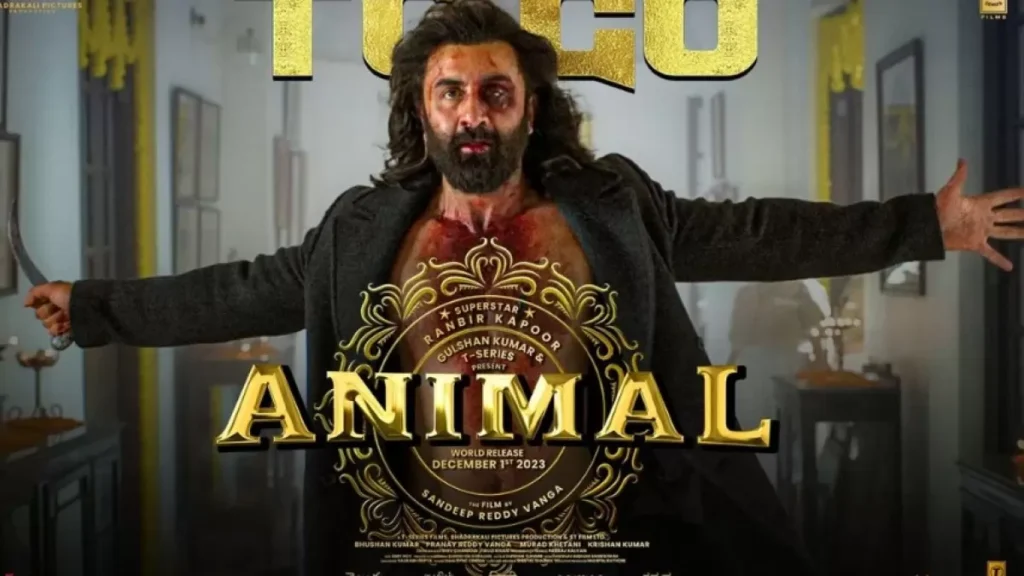
Overview: The Problem at the Centre of Animal
Animal places complex violence at the heart of an action drama directed by Sandeep Reddy Vanga and starring Ranbir Kapoor. The film arrived in theatres on December 1, 2023, with Rashmika Mandanna in the female lead opposite Kapoor.
Its central problem is not simply that violence appears frequently, but that the film uses violence to express family loyalty, masculine identity and emotional damage. That distinction matters because violent scenes can function in two ways. They can expose a character’s inner collapse, or they can turn that collapse into spectacle. Animal constantly moves between those positions, asking viewers to decide whether its brutality should be understood as character study, action entertainment or a mixture of both.
Key Details: How Animal Scene Deconstruction Works
The film’s violence is tied to the lead character rather than treated as an isolated action device. Kapoor’s character is placed at the centre of a world where aggression becomes a language for protection, revenge and control. This makes each confrontation carry emotional meaning, even when the physical action dominates the frame. Rashmika Mandanna’s presence adds another layer to the conflict. Her character exists within the emotional consequences of the protagonist’s choices, making the violence affect intimate relationships as well as external enemies.
The result is a dramatic structure in which devotion and danger remain connected. The production companies behind Animal included T-Series and Cine1 Studios. The film later moved into its post-theatrical phase through Netflix, while its theatrical run grossed over ₹900 crore globally. That commercial result shows that the film’s violent style was not a marginal creative choice; it became part of a widely consumed mainstream product. The key tension: Animal asks audiences to follow a damaged protagonist while also confronting the cost of his behaviour. The same question shapes other Indian action dramas, including Mandaadi Action Drama, where action carries both commercial and narrative weight. Yet Animal pushes that relationship further by making violence part of the protagonist’s identity. For more detail, see Times of India Entertainment.
Context: Three Ways to Read the Violence
A first approach is the literal moral reading. Under this interpretation, the violent scenes are judged by their consequences, including fear, injury and the damage done to relationships. Its strength is clarity, but its limitation is that it can reduce the film’s psychological complexity to a simple verdict.
A second approach is the psychological reading. Here, violence becomes evidence of emotional instability and unresolved family conflict. This reading explains why the action feels personal rather than purely strategic, but its weakness is the risk of treating harmful behaviour as an excuse rather than a moral failure. A third approach is the spectacle reading. This focuses on choreography, scale and the commercial appeal of action cinema. It explains the film’s broad audience and ₹900 crore-plus global gross, but it can overlook the human consequences built into the drama.
| Reading | What it reveals | Main downside |
|---|---|---|
| Moral | The consequences of aggression | Can simplify the character |
| Psychological | The emotional roots of violence | Can appear too forgiving |
| Spectacle | The action’s commercial force | Can minimise its impact |
This layered debate connects with the wider conversation around streaming and theatrical action, including Vibe OTT Release. On Netflix, Animal reaches viewers outside the original theatrical setting, where its violence can be paused, revisited and judged differently. The trade-off is that streaming access expands discussion while removing some of the collective intensity of a cinema screening.
What’s Next: The Best Critical Verdict
The strongest reading is not to choose between morality, psychology and spectacle, but to place them in conflict. If the goal is to understand Animal as a character study, choose the psychological reading, while keeping the moral consequences visible. If the goal is to assess its commercial action design, choose the spectacle reading, but do not mistake popularity for approval. For more detail, see VentureBeat AI.
That balance also helps explain why a film can be commercially successful and critically divisive at the same time. A useful comparison appears in ‘Vibe’ Movie Review:, where action is also examined as part of a film’s larger emotional design. The future of Animal’s reputation will depend less on whether viewers admire its violence and more on whether they continue debating what that violence means.
The film’s lasting impact lies in that unresolved conflict: its violence attracts the audience, defines the protagonist and refuses to remain emotionally neutral.
FAQs
What is Animal about?
Animal is an action drama centred on a deeply conflicted male protagonist played by Ranbir Kapoor. Its story connects family loyalty, emotional damage and violent behaviour.
Who directed Animal?
Sandeep Reddy Vanga directed Animal.
When did Animal release theatrically?
Animal arrived in theatres on December 1, 2023.
Where can viewers watch Animal after its theatrical run?
Netflix acquired the post-theatrical streaming rights to Animal.
How much did Animal earn worldwide?
Animal grossed over ₹900 crore globally.
Was this article helpful?
Your feedback directly improves future articles on this site.