Advanced Micro Devices Inc. (AMD) is reportedly in discussions with several Asia-based companies regarding the sale of data center manufacturing plants it acquired last year. According to sources familiar with the matter, Taiwanese firms including Compal Electronics Inc., Inventec Corp., Pegatron Corp., and Wistron Corp. have shown interest in the deal. The sale, valued between $3 billion and $4 billion, could have significant implications for AMD, its competitors, and the global semiconductor industry.
Why Is AMD Selling Its Data Center Plants?
AMD’s decision to offload these facilities aligns with its strategic focus on core competencies—chip design and innovation—rather than manufacturing. By divesting these assets, AMD can streamline operations, reduce overhead costs, and allocate more resources to research and development in high-performance computing, artificial intelligence, and graphics processing.
The semiconductor industry is highly competitive, and AMD’s ability to maintain its edge depends on its capacity to innovate rapidly. With increased demand for cutting-edge processors, outsourcing manufacturing to dedicated third-party specialists allows AMD to focus on enhancing performance, efficiency, and customization of its next-generation chips.
Another key reason for this sale is financial flexibility. As AMD continues to expand in various domains, including cloud computing, gaming, and AI-driven solutions, liquidating non-core assets provides an influx of capital that can be reinvested into these high-growth sectors. This move also reduces the risks associated with running large-scale manufacturing facilities, which require continuous upgrades to stay competitive.

Potential Buyers and Their Interests
The companies expressing interest in AMD’s assets are well-established players in the electronics and hardware manufacturing space:
- Compal Electronics: A leading original design manufacturer (ODM) specializing in notebooks and servers. Compal’s expertise in large-scale manufacturing and strong relationships with major tech firms make it a suitable candidate for acquiring AMD’s facilities.
- Inventec Corp.: A major server supplier for cloud computing firms. Given the rising demand for cloud infrastructure, Inventec could utilize these assets to strengthen its market position.
- Pegatron Corp.: Known for producing computing and communication devices, Pegatron is continuously looking for opportunities to expand its production capabilities.
- Wistron Corp.: A key player in IT manufacturing and server solutions. Acquiring AMD’s data center plants would allow Wistron to expand its footprint in the growing server and data center market.
These firms could leverage AMD’s data center plants to expand their presence in the high-growth cloud and AI server markets. The global push toward digital transformation and AI-powered computing has created an enormous demand for advanced data center solutions, making AMD’s assets particularly attractive.
Impact on the U.S. and Global Semiconductor Industry
A potential sale could influence geopolitical and economic factors, especially as the U.S. pushes for domestic semiconductor manufacturing. Former President Donald Trump’s previous administration championed efforts to bring tech production back to the U.S., and such a deal could play into ongoing debates about supply chain security and national competitiveness.
The semiconductor industry has faced significant disruptions over the past few years, primarily due to supply chain constraints and geopolitical tensions. The U.S. government has emphasized the need to strengthen domestic production to reduce dependence on foreign manufacturing. However, AMD’s decision to sell these assets to Asian firms could be viewed as a step in the opposite direction, potentially drawing regulatory scrutiny.
From a market perspective, this deal could reshape competition within the semiconductor industry. If AMD successfully transitions to a fabless model—focusing solely on chip design while outsourcing manufacturing—it could boost its ability to compete with rivals like Intel and NVIDIA. While Intel still maintains in-house manufacturing, NVIDIA has successfully navigated the fabless route, relying on partners like Taiwan Semiconductor Manufacturing Company (TSMC) for production.
How This Move Aligns with AMD’s Long-Term Vision?
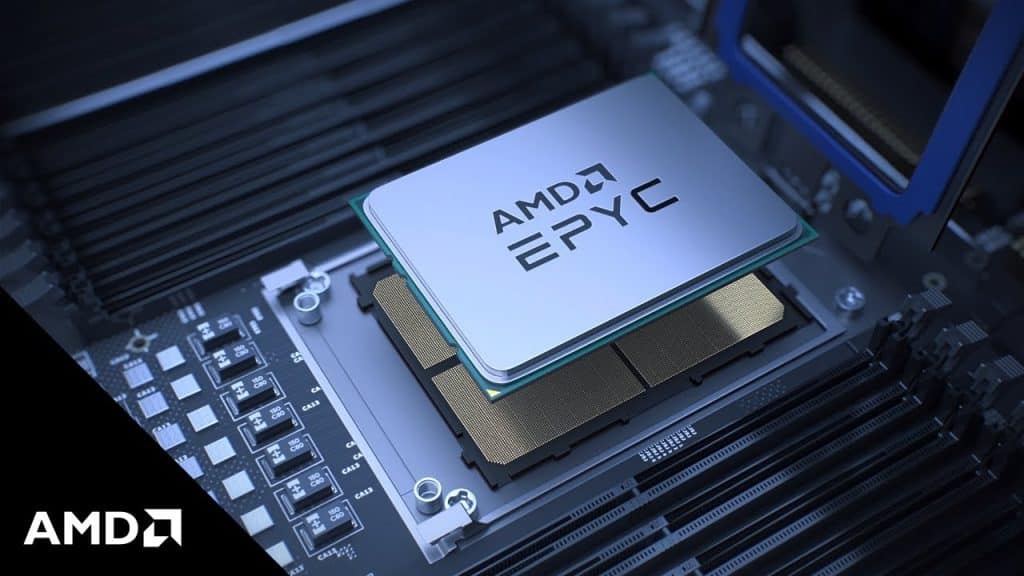
For years, AMD has strategically positioned itself as a leader in advanced computing, targeting sectors such as cloud computing, AI, and gaming. This potential sale is another step toward optimizing its operational model to support these objectives.
By selling off manufacturing plants, AMD can redirect focus toward:
- AI and Machine Learning: With AI applications growing across industries, AMD aims to develop processors optimized for AI workloads, deep learning, and neural network processing.
- Cloud Computing: AMD’s processors power many cloud-based services, and its goal is to enhance efficiency and performance in cloud environments.
- Gaming and Graphics: As the gaming industry evolves, AMD continues to push boundaries in high-performance GPUs and processors.
- Enterprise and Data Centers: Although selling manufacturing plants, AMD remains committed to providing high-end chips for data centers, further strengthening its partnerships with cloud service providers.
Potential Challenges and Risks
While this deal presents numerous advantages, it is not without risks. Some of the potential challenges include:
1. Regulatory Hurdles
Given the U.S. government’s focus on semiconductor independence, regulatory authorities may scrutinize this sale to ensure it does not negatively impact national security or technology leadership. Any delays in approvals could complicate the transaction process.
2. Impact on Workforce
The sale could lead to workforce realignments, with potential layoffs or transfers depending on how the acquiring company chooses to integrate the facilities. AMD will need to manage this transition carefully to avoid reputational damage and employee dissatisfaction.
3. Supply Chain Disruptions
A change in ownership could temporarily disrupt supply chains, impacting AMD’s ability to meet delivery commitments. However, the company is likely to establish transition agreements to mitigate this risk.
4. Competitive Dynamics
While outsourcing manufacturing has worked well for companies like NVIDIA, it could also introduce dependency on external suppliers. Any future geopolitical tensions, trade restrictions, or shortages in semiconductor fabrication capacity could impact AMD’s ability to maintain a consistent supply of products.
What’s Next?
While discussions are ongoing, the final decision will depend on regulatory approvals, valuation agreements, and AMD’s long-term business strategy. Investors and tech industry watchers will be closely monitoring developments as the semiconductor industry continues to evolve.
In the coming months, we can expect further clarity on:
- The specific terms of the sale agreement.
- Any government interventions or regulatory roadblocks.
- AMD’s reinvestment strategy following the sale.
- How competitors respond to this shift in the market.
This deal underscores the rapidly changing landscape of the semiconductor industry. As AMD refines its business model, the implications of this sale will be felt across global markets, influencing trends in AI, cloud computing, and advanced processing technologies.
Stay tuned for updates on this significant industry move, and follow us for more insights into the evolving world of technology and semiconductors.