SAS1
 FIO1
 GEN4
 ALA0
 ITT0
 AlN1
 ALG0
 QAD1
 ATA
 PAR
 LOR
 BRE
 NEW
 EVE
 DEP
 OSA
 WI-A
 LIONS
 Galatasaray
 Stuttgart
 Shakhtar
 Sporting
 Atlético
 Bayern
 NED183/3 (36/50 ov, target 183)
 OMA182
 Athletic2
 Real Sociedad1
 Juventus2
 Napoli0
 Marseille2
 Toulouse0
 NZ-A424
 IND-A346 & 32/0 (11 ov)
 QLD280
 VIC307 & 136/6 (66 ov)
 SYL218 & 218
 CHATT210 & 126/1 (37 ov, target 227)
 MYMS108 & 315/9 (91 ov) (f/o)
 KHU288
 DHA
 BAR266/8 (70 ov)
 RAN256
 RAJ231 & 110/3 (27 ov)
 ASSAM135
 KNTKA180/2 (36 ov)
 MEGHA
 NAGA244/8 (67 ov)
 TPURA219/7 (74.3 ov)
 SAU
 BENG143
 MAHA21/2 (8 ov)
 ODSA
 JHK37/3 (25 ov)
 CHD
 TN320/4 (86 ov)
 NZ
 IND
 UAE
 TOK
 MOW
 BIK
 JAB
 LUL
 POA
 DOLPH
 WPR
 CD
 AUCK
 AFG81/3 (8.1/20 ov, target 80)
 ZIM79
 NAM131/5 (21.2/50 ov, target 130)
 IRE129
 MS-W109 (18.1 ov)
 PS-W124/9
 KAL0
 IRAK0
 VLL3
 LEG1
 SON0
 KBH1
 GAIS0
 AIK0
 MJA0
 KFF0
 RAF0
 CAP0
 CHA0
 NCHI0
 ADQ0
 BRN0
 Barcelona
 Aston Villa
 Elche0
 Valencia1
 Lecce1
 Genoa2
 Liverpool0
 Arsenal1
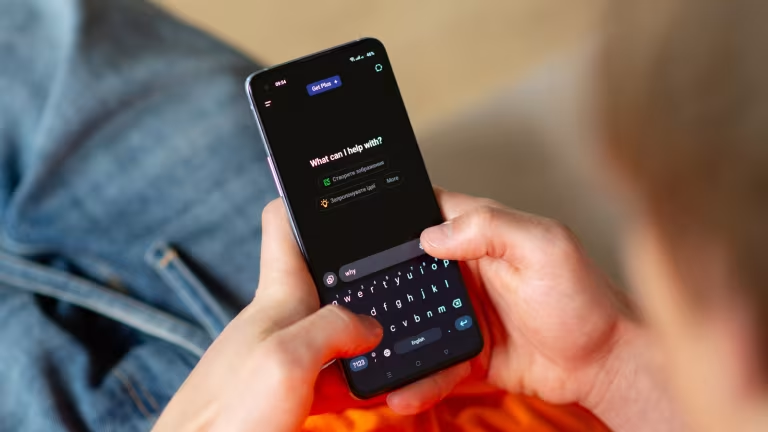
On Tuesday, May 19, 2026, OpenAI added stricter guidelines for minors asking about weapons. The platform now applies tighter content filters across its chat interface. These automated digital safety systems block harmful technical instructions. Teenagers using the service now see immediate prompts that put physical safety ahead of unrestricted answers.

Policy Implementation and OpenAI Adds Stricter Guardrails
Automated Content Filtering
As Engadget reports, the new restrictions target users under eighteen who ask the chatbot about weapons. The system intercepts prompts about assembling or modifying firearms before generating a response.
Balancing Educational Access and Physical Safety
Academic Dialogue Preservation
Critics often worry that broad filters can erase academic discussion. OpenAI’s updated framework preserves conversations about violence prevention and connecting minors with trusted adults. The OpenAI Blog says the system distinguishes historical questions from actionable hardware guidance.
Developers using the OpenAI GPT-6.1 API reportedly route safety flags through dedicated pipelines. This tiered approach, we observe, helps prevent accidental censorship while keeping firm barriers against dangerous replication. It also echoes earlier corporate efforts, reportedly including Cognizant’s decision to place OpenAI infrastructure behind enterprise compliance standards.
Long-Term Impact on Youth Digital Environments
Regulatory Compliance Shifts
Earlier versions already refused some requests for violent instructions. This latest change marks a deliberate escalation amid mounting regulatory pressure. The company recently expanded its operations, reportedly after acquiring Orchestra, signaling a stronger commitment to specialized content verification.
When the system blocks a teenager’s request, it points them to verified support resources instead of leaving the interaction empty. External researchers tracking the OpenAI feed confirm that refusals for sensitive mechanical queries have risen sharply since deployment.
| Feature Category | Previous Filter Logic | Updated Teen Protocol |
|---|---|---|
| Query Handling | Keyword matching | Intent recognition |
| Response Output | Direct refusal | Resource redirection |
| Age Verification | Account flag | Behavioral analysis |
| Parent Alerts | Manual setup required | Automatic notification |
| Historical Data | Broad access | Sanitized summaries |
The rollout shows how AI platforms are developing their ethical frameworks as their capabilities expand. OpenAI recently added stricter boundaries because unchecked technical sharing poses unacceptable risks to vulnerable groups. Future updates will likely extend these protections to other high-risk categories. Users should watch official changelogs for changes to the moderation engine.
How do the new filters handle historical research questions?
The system allows academic discussion of past conflicts but blocks step-by-step construction guidance. Students researching historical weapons can still get contextual summaries without hazardous technical data.
Will existing parental control dashboards change after this update?
Household management tools remain compatible with the latest safety protocols. Guardians will continue receiving the same notification alerts about flagged conversation attempts.
Can adult users bypass these specific content restrictions?
Age verification lets mature accounts access broader informational queries. The tighter limits apply only when an account profile indicates that the user registered as underage.
Do school districts receive special administrative access?
Educational institutions can request tailored moderation tiers for supervised academic exploration. Teachers must submit verified district credentials to access customized safety settings.
How does this compare to competitor youth protections?
Industry rivals use simpler keyword-blocking methods, which often produce false positives. OpenAI’s targeted intent recognition aims to reduce unnecessary censorship while still preventing harm. Source: Engadget How does OpenAI ensure the safety of underage users when querying about firearms?
OpenAI applies tighter safety filters to underage users, based on the age verification in their account profiles. The approach balances academic access with physical safety, protecting minors from harmful content while still providing contextual summaries for educational purposes.
What measures are in place for educational institutions regarding content moderation?
Educational institutions can request tailored moderation tiers for supervised academic exploration. Teachers must submit verified district credentials to access customized safety settings, helping align moderation tools with students’ educational needs.
Read Next
- ONDC DigiDukaan: How India’s 1.4 Crore Kiranas Are Going Digital, One Restock at a Time
- How Much is Microsoft Net Worth as of 2026?
- Amazon Gift Card Codes: Free Gift Card as of November 2026
Was this article helpful?
Your feedback directly improves future articles on this site.