Ukrainian military drones disabled an artificial intelligence data center in Russia on October 10, 2026. The attack involved a facility reportedly affiliated with LLC Google Russia, though the affiliation and damage figures remain unconfirmed.
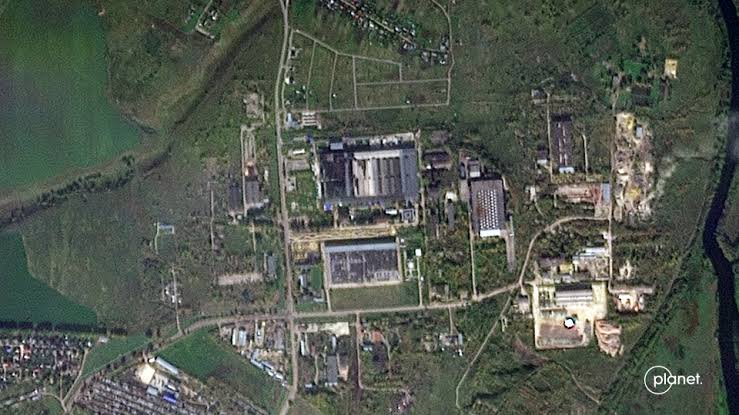
The Saturday Attack Disables Infrastructure Allegedly Linked to Russia Google
The strike happened Saturday morning at a Russian facility supporting cloud computing and AI workloads. Officials from Russia’s Ministry of Digital Development acknowledged disruptions to regional cloud and AI services after the attack. That matters because data centers aren’t ordinary office buildings.
Server racks connect training systems, storage, networking equipment and customer-facing services, so physical damage can affect research and commercial operations. Russian officials acknowledged that regional cloud and AI services were disrupted following the Saturday morning attack. That acknowledgement gives the event a direct operational consequence.
It also moves the incident beyond a claim about damaged hardware, since regional users experienced interruptions to digital services. Russian state media said preliminary assessments indicated that at least 500 server racks were destroyed. The figure, the facility’s corporate affiliation and the outage’s full extent haven’t been independently confirmed.
AI Training Hardware Was the Main Target
The data center housed high-performance computing clusters used to train Russian large language models. The reported setup included NVIDIA H100 Tensor Core GPUs, hardware built for demanding AI workloads rather than routine web hosting. These clusters need significant power, cooling and high-speed networking.
Removing hundreds of racks can disrupt the entire training pipeline, from preparing data and running model calculations to storing checkpoints. The reported hardware profile also explains how the facility could support large language model development.
NVIDIA H100 systems are built for accelerated computing, while proprietary neural network processing units may have operated alongside them. Technical reporting on AI infrastructure, including data science research coverage, often centers on software efficiency and model design. This incident draws attention to the physical layer underneath those systems: GPUs, servers, electrical equipment and cooling infrastructure.
Why the Strike Matters for Russian AI
The reported damage could slow model training and limit access to regional cloud services, although nobody knows how long the disruption will last. AI training also can’t shift instantly because replacement capacity needs compatible hardware, available power and enough network bandwidth. The episode shows why AI infrastructure has become a strategic asset.
A model may exist as software, but training it depends on concentrated physical systems vulnerable to fire, power loss, sabotage or military action. For comparison, projects such as our coverage of a large data-center investment show the scale of modern data-center development.
The Russian incident shows the other side of that equation: concentrated computing capacity can improve efficiency, but it can also create a single high-value target. The claimed Google Russia connection adds another layer. Google hasn’t confirmed that the targeted center belonged to its subsidiary, and no verified corporate statement has established the precise ownership structure.
What Happens Next for the Facility Allegedly Linked to Russia Google
The next step will be confirming the site’s identity, ownership, equipment losses and restoration timeline. Russian officials have acknowledged service disruption, but they haven’t publicly established how many systems remain operational or whether AI training workloads have moved elsewhere.
Investigators will also need to distinguish destroyed server racks from equipment that’s temporarily offline. That difference will determine whether the event causes a short cloud outage or a longer interruption to Russian language-model development. The October 10 strike may prompt operators to spread AI workloads across multiple facilities rather than concentrate them in one location.
FAQs
What happened to the AI data center allegedly linked to Russia Google?
Ukrainian military drones targeted and disabled an AI data center in Russia on October 10, 2026. Russian officials acknowledged disruptions to regional cloud and AI services.
How many server racks were destroyed?
Preliminary assessments cited by Russian state media indicated that at least 500 server racks were destroyed. That figure hasn’t been independently confirmed.
What hardware did the facility reportedly contain?
The center reportedly housed high-performance computing clusters with NVIDIA H100 Tensor Core GPUs for training Russian large language models.
Has Google confirmed ownership?
No. The facility’s affiliation with LLC Google Russia remains unconfirmed, and Google hasn’t verified the ownership details described in the claims. The immediate priority isn’t another AI model release; it’s proving which infrastructure survived and how quickly services can return.
Was this article helpful?
Your feedback directly improves future articles on this site.