
 NZ180/5
 IND56/2 (8.3/20 ov, target 181)
 NAM156/2 (32/50 ov)
 IRE
 AVL
 MNC
 RAY
 ELC
 GMB
 ZMB
 NGA
 LES
 CAG
 BOL
 COMO
 SAS
 FCA
 FCU
 KOE
 S04
 MOZ19
 UGA23/0 (0.5/20 ov, target 20)
 Ipswich1
 Nottm Forest1
 Alavés1
 Málaga1
 Torino3
 Monza2
 WA
 NSW371/8 (50 ov)
 DEN
 KUW
 KENYA
 QAT
 SWD-W
 EPR-W
 TTN-W
 WPR-W
 NZ-A135/3 (41 ov)
 IND-A113
 DHA
 RAJ
 MYMS
 CHATT
 RAN
 BAR
 SYL
 KHU
 MEX-W
 ARG-W
 UAE
 NED
 PAK
 ENG
 IND-W
 ZIM-W
 AFG170/3 (34.3/50 ov, target 170)
 ZIM169
 CHE0
 DYI0
 CHO1
 QIN0
 HEN1
 BEI0
 LIA1
 ZHE0
 QWC1
 YUN0
 SHX0
 Shanghai Shenh0
 TIG0
 SHP0
 WTT1
 SHT3
 M05
 SVW
 RBL
 ELV
 Brest1
 Nice2
 Stuttgart2
 Gladbach3
 Al Ahli4
 Al Khaleej1
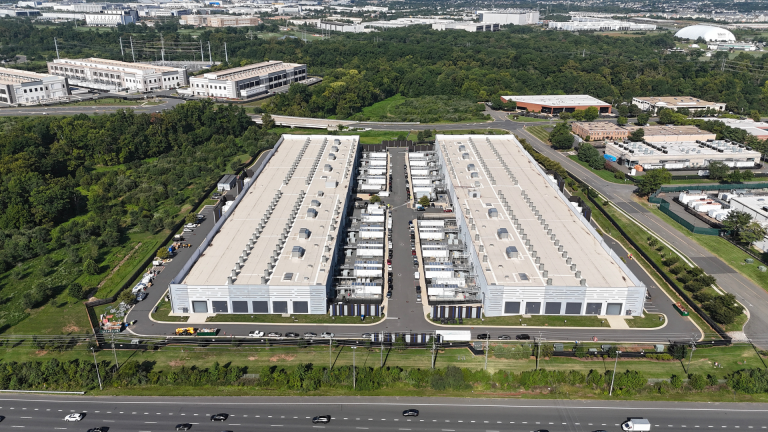
Amazon made a promise on Sunday, October 4, 2026: more money for the communities that host its data centers, and less secrecy about what those facilities actually do. What the company didn’t hand over was a funding total, a timetable, or a list of eligible regions — even as its computing infrastructure keeps expanding.
The announcement rests on supplied reporting and hasn’t been confirmed by an official public filing. As first reported by The Indian Express, the plan pairs financial support for local areas with broader disclosure around data-center operations.
Amazon’s Local Funding Promise
The funding pledge is the clearest immediate change. Amazon says it will increase financial support for communities near its data centers. Still missing: a total amount, a timetable, and a list of eligible regions.
That gap matters, because local funding can take many forms. It might pay for public services, community programmes, or infrastructure. But nothing in the available information says which areas will get money or how those decisions get made.
For residents, the question isn’t just whether more money exists. The real test is whether communities can track the commitments, figure out who qualifies, and see results they can measure over time.
Transparency Becomes The Real Test
The second promise concerns secrecy around data centers. The company has indicated it will provide more information about these facilities, but the announcement never says which technical, environmental, operational, or financial details will go public.
So the transparency pledge stays open to interpretation. A meaningful policy would spell out the scope of disclosures, how often updates arrive, and which agency publishes them. Without that, the promise is a direction, not a fully defined programme.
Data centers now sit at the center of artificial Intelligence services, cloud computing, streaming platforms, and online retail. Building them can affect electricity demand, land use, water planning, employment, and local infrastructure. That makes public information valuable — even when commercial security limits what a company can release.
Why Local Disclosure Matters
The conflict is simple. Companies need to protect network layouts, security procedures, and commercially sensitive information. Nearby communities need reliable information about projects that may shape public resources. Funding can help build trust, but money alone doesn’t answer questions about scale or impact.
Residents may still want to know how a facility will affect power consumption, water use, construction activity, traffic, and long-term employment. The available announcement gave no figures.
This is an industry-wide issue
FAQs
How will Amazon adjust its financial commitments toward communities hosting new data center facilities?
Amazon has announced a comprehensive restructuring of its municipal investment strategy to prioritize sustained community development over rapid expansion. Each newly approved facility will trigger automatic funding streams directed toward local school districts, public transit upgrades, and small business incubation programs. Regional planners will collaborate directly with corporate strategists to design equitable distribution models that prevent wealth concentration in specific neighborhoods. Municipal leaders will receive detailed quarterly financial briefings outlining exact expenditure categories, projected return timelines, and independent audit results. These structured partnerships guarantee that taxpayer resources complement private sector growth while preserving historical community character. Long-term economic stability remains the primary objective, ensuring that neighboring populations experience tangible improvements in healthcare access, recreational infrastructure, and workforce training initiatives throughout the entire project lifecycle. Additional grant opportunities will specifically target veteran-owned enterprises and minority-led construction firms participating in site preparation activities. Community advisory boards will maintain voting authority over fund allocation priorities, establishing democratic oversight mechanisms that align corporate spending with resident preferences. Infrastructure maintenance trusts will automatically accumulate percentage-based revenue shares to guarantee perpetual neighborhood upkeep regardless of future market fluctuations. Strategic partnership agreements will explicitly prohibit subcontractors from diverting allocated municipal funds toward unrelated corporate headquarters renovations. Revenue sharing frameworks will allocate fixed percentages of property tax exemptions directly into neighborhood revitalization accounts managed by independent fiduciaries.
What specific transparency measures will Amazon implement regarding environmental impact reports for upcoming server farms?
Environmental disclosure protocols will undergo complete overhaul to eliminate previous confidentiality restrictions surrounding resource extraction and emission calculations. Every regional facility must publish granular water usage statistics, renewable energy procurement percentages, and advanced cooling system efficiency ratings on publicly accessible digital platforms. Third-party verification teams conduct annual inspections to validate reported figures against actual operational outputs before publication deadlines. Community advocates gain unrestricted viewing rights to raw datasets, enabling independent researchers to cross-reference corporate claims with municipal utility records.
Was this article helpful?
Your feedback directly improves future articles on this site.




