NZ180/5 (20 ov)
 IND
 NAM95/2 (21.1/50 ov)
 IRE
 MOZ
 UGA
 AVL
 MNC
 RAY
 ELC
 GMB
 ZMB
 NGA
 LES
 CAG
 BOL
 COMO
 SAS
 FCA
 FCU
 Ipswich1
 Nottm Forest1
 Alavés1
 Málaga1
 Torino3
 Monza2
 Brest1
 Nice2
 WA
 NSW290/5 (42.4/50 ov)
 DEN
 KUW
 KENYA
 QAT
 SWD-W
 EPR-W
 TTN-W
 WPR-W
 NZ-A135/3 (41 ov)
 IND-A113
 DHA
 RAJ
 MYMS
 CHATT
 RAN
 BAR
 SYL
 KHU
 MEX-W
 ARG-W
 UAE
 NED
 PAK
 ENG
 IND-W
 ZIM-W
 AFG170/3 (34.3/50 ov, target 170)
 ZIM169
 TAS137 (25.2/35 ov, target 276)
 VIC304/7 (50 ov)
 CHE0
 DYI0
 CHO1
 QIN0
 HEN1
 BEI0
 LIA1
 ZHE0
 QWC1
 YUN0
 SHX0
 Shanghai Shenh0
 TIG0
 SHP0
 WTT1
 SHT3
 KOE
 S04
 M05
 SVW
 RBL
 ELV
 Stuttgart2
 Gladbach3
 Al Ahli4
 Al Khaleej1
On November 15, 2024, the United States Department of Commerce finalized a $6.6 billion grant to support tsmc’s American expansion. That one decision pushed advanced domestic fabrication to the centre of the semiconductor strategy.
Unconfirmed reports say the company is planning a multibillion-dollar campus dedicated to artificial intelligence chip production. All of it unfolds while global supply chains keep shifting. Leading technology firms once relied exclusively on overseas foundries to secure next-generation silicon.
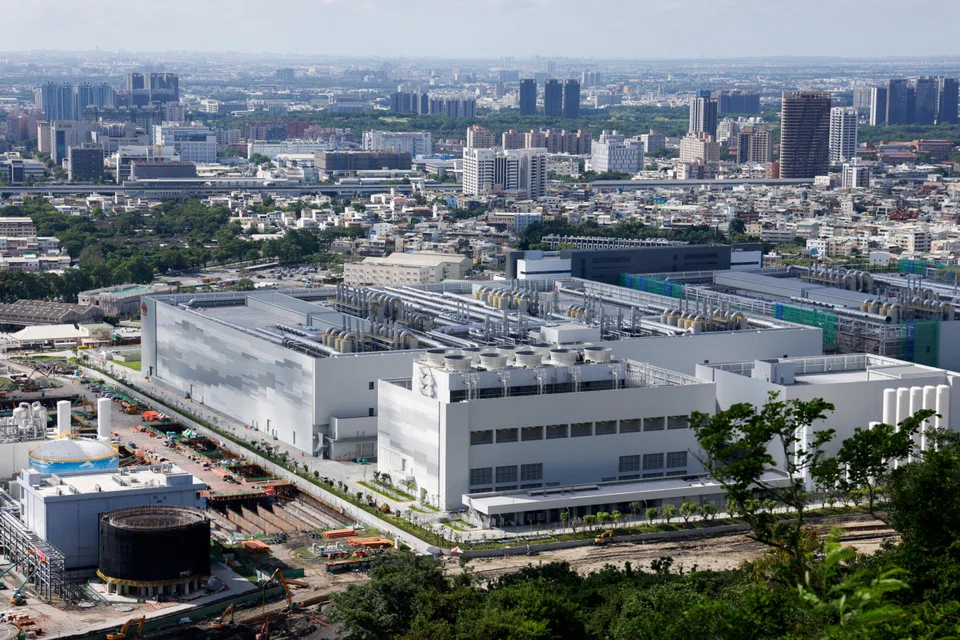
The Manufacturing Landscape Before The Expansion
Global chipmakers ran a tightly centralized model. Advanced logic processors flowed from Taiwan to South Korea, then across the Pacific to final integration facilities.
Design teams optimized architectures around single-source dependencies and treated longer lead times — reportedly six months — as standard operating practice. That reliance created fragile bottlenecks whenever regional tensions escalated or shipping routes faced unexpected disruptions. Companies adjusted budgets around these fixed timelines, prioritizing yield rates over geographic diversification.
The Catalyst: A Sixty-Five Billion Dollar Pivot As tsmc Eyes Multibillion Dollar Texas Campus For AI Chips
The catalyst landed on November 15, 2024. That’s when the United States Department of Commerce finalized a $6.6 billion direct funding grant under the chips and Science Act to support American semiconductor growth. That federal commitment unlocked the capital required to construct a dual-state manufacturing footprint spanning Arizona and Texas.
Engineers reportedly began drafting blueprints for cleanrooms capable of handling extreme thermal loads during high-volume output. The estimated capital expenditure for the combined facilities totals approximately $65 billion, marking the largest private industrial investment in North American history. Partners like NVIDIA, AMD, and Apple reportedly secured initial wafer allocations for next-generation AI accelerators at the site.
The Aftermath: Secured Wafer Allocations And Domestic Production
Volume manufacturing utilizing 2-nanometer process technology is reportedly scheduled to begin by 2028. That would fundamentally alter how cloud providers procure compute hardware. Data centers can order custom silicon without crossing international borders, reducing customs delays and simplifying compliance audits.
Engineering teams previously accustomed to waiting for quarterly shipments now receive priority routing through domestic logistics networks. The shift also forces competitors to accelerate their own facility upgrades or accept secondary allocation tiers. Procurement teams moving away from legacy Android Flagships Chips sourcing models now coordinate directly with American plant supervisors.
Infrastructure Footprint: Arizona Versus Texas
| Component | Arizona Facility | Texas Expansion |
|---|---|---|
| Primary Function |