ATL1
 CHI0
 DC0
 CIN0
 ORL0
 NYC0
 PHI0
 NE0
 Santos0
 Bahia1
 UAE
 NED
 PAK
 ENG
 IND-W
 ZIM-W
 GMB
 LES
 MOZ
 ZMB
 Inter Milan
 Fiorentina
 Churchill
 Punjab FC
 NGA
 UGA
 MEX-W23 (9.3/20 ov, target 189)
 ARG-W188/5
 ATM1
 DEP0
 LAZ2
 PAR1
 RCL2
 PAR1
 NZ-A285/8 (84 ov)
 IND-A113
 SYL
 KHU
 MYMS299/4 (87 ov)
 CHATT
 DHA293/3 (84.1 ov)
 RAJ
 RAN320/5 (80 ov)
 BAR
 DEN
 PNG
 NAM321/6
 IRE290 (47.3/50 ov, target 322)
 WEL0
 MBV1
 Athletic
 Getafe
 C Palace
 Newcastle
 Hull
 Brentford
 Liverpool
 Brighton
 Man United
 Bournemouth
 Atalanta
 Frosinone
 RIY2
 TAA1
 CHE0
 TOT2
 VAL1
 VIL2
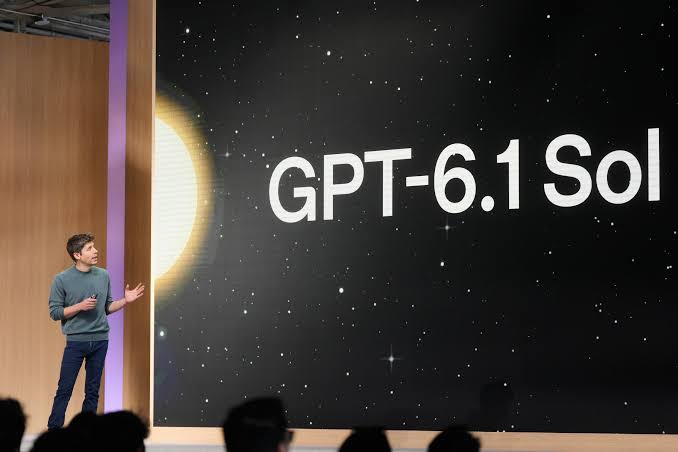
The context behind military deploys lasers shapes how this story lands. On September 30, 2026, OpenAI launched GPT-6.1 Sol and announced a claimed 70% reduction in API inference costs compared with GPT-6.
Developers and enterprise architects now face a dual challenge: managing power grids and neural weights simultaneously. OpenAI CEO Sam Altman announced the release during the official announcement, reportedly emphasizing that efficiency now outweighs sheer parameter counts. The model is reportedly capable of near-GPT-6 Astra Intelligence, although that capability has not been officially confirmed. The latest technical specifications were reportedly documented in OpenAI’s announcement.
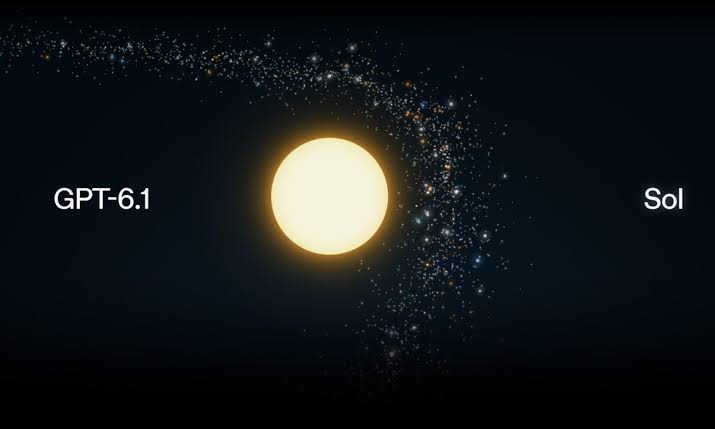
The GPT-6.1 Sol Architecture And Its Context Window
Engineers have long debated whether massive context windows justify the energy expenditure required to process them effectively. The newly announced Codex model reportedly features a two-million-token window, but Sol takes a different approach by optimizing for speed and stability. The model reportedly supports a standard context window of 1,000,000 tokens. This capacity could allow developers to feed entire codebases into the system without truncating crucial logic.
Local quantization testing reportedly requires a minimum system RAM of 64 GB. This hardware threshold could make advanced language models more accessible to smaller research labs and independent creators. Running advanced language models locally offers distinct advantages regarding data privacy and latency. Organizations can run inference pipelines without constantly pinging external servers. The architecture reportedly relies on optimized routing mechanisms that direct tokens through the most efficient pathways. The underlying framework reportedly prioritizes low-latency responses over bloated parameter expansion.
| Specification | Detail |
|---|---|
| Context Window | 1,000,000 Tokens |
| Local RAM Requirement | 64 GB |
| Cost Reduction | Reportedly 70% vs GPT-6 |
| Release Date | September 30, 2026 |
Performance Metrics In GPT-6.1 Sol
Reported benchmark evaluations suggest that raw power does not guarantee better outcomes in competitive markets. OpenAI says API inference costs for GPT-6.1 Sol are reduced by 70% compared with the previous flagship GPT-6 model, although the reduction has not been independently confirmed. This reported
Worth noting: The reported performance gains reportedly stem from architectural refinements rather than brute-force scaling. Developers report that response times remain consistent even under heavy concurrent loads. The system reportedly handles multi-turn conversations seamlessly while preserving contextual relevance across lengthy exchanges. Gaming studios and software firms alike are reportedly adjusting their development cycles to accommodate these faster inference speeds. Apple and AMD could adjust their hardware roadmaps to match these new software demands. The shift toward cost-effective Intelligence could force competitors to reevaluate their own pricing strategies.
Compliance And The Future Of GPT-6.1 Sol
Regulatory frameworks are struggling to keep pace with the rapid deployment of autonomous systems worldwide. Governments are establishing stricter guidelines for data handling and algorithmic transparency. GPT-6.1 Sol is reportedly described as incorpo It is worth watching how Military Deploys Lasers develops from here. For more detail, see VentureBeat AI.
FAQs
What is the primary advantage of the GPT-6.1 Sol model?
The primary reported advantage is a 70% reduction in API inference costs compared with the previous GPT-6 flagship model.
How much memory is required for local testing?
Developers reportedly need a minimum system RAM of 64 GB to perform local quantization testing effectively.
Does the model support long-context inputs?
Yes, the architecture reportedly supports a standard context window of 1,000,000 tokens for long-context processing.
Source: Gadgets360
Was this article helpful?
Your feedback directly improves future articles on this site.