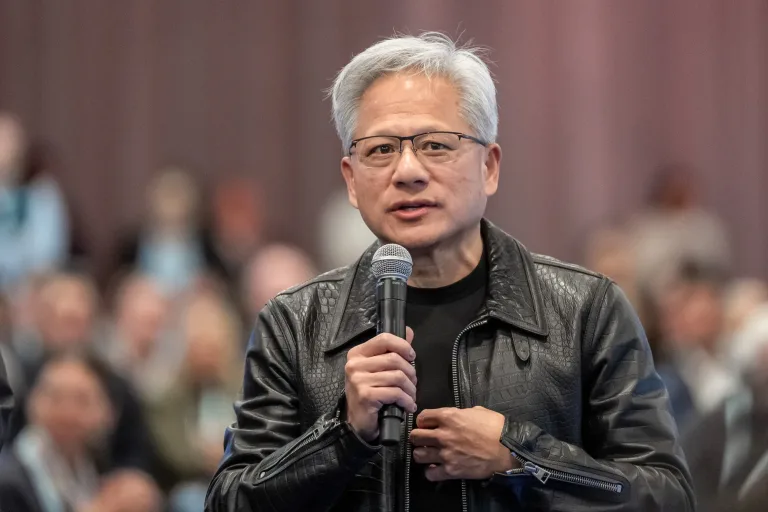
Jensen Huang said in September 2026 that artificial intelligence regulation is unnecessary and that safety should be left to the industry, with the remarks highlighted in tech news on Wednesday, September 16.
The position arrives as governments continue weighing rules for powerful AI systems, while confirmed pricing and launch dates for NVIDIA’s upcoming AI chips remain unavailable. Processor details connected with the September announcements are based on leaks and supply-chain reports, not yet officially confirmed.
The Before: AI Safety Sits Between Industry and Government
Before Huang’s statement entered Wednesday’s coverage, the public debate generally treated AI safety as a shared responsibility between technology companies and regulators. NVIDIA builds the processors that power many AI systems, but governments decide how companies must handle risks involving privacy, cybersecurity, employment, and high-impact automated decisions.
That division created a familiar expectation: companies would develop safeguards, while lawmakers would set minimum standards and enforcement powers. NVIDIA’s position now places greater emphasis on internal controls, technical testing, and industry-led safety practices rather than new regulation. The argument is significant because chipmakers influence the hardware supply chain beneath cloud providers, model developers, and enterprise AI tools. NVIDIA’s policy stance also follows earlier public attention on the company’s leadership in AI infrastructure. Our coverage of NVIDIA Vera Rubin shows why hardware decisions matter beyond product launches: processor availability and design choices can shape who gets access to advanced computing.
The Catalyst: Jensen Huang’s Industry-First Safety Position
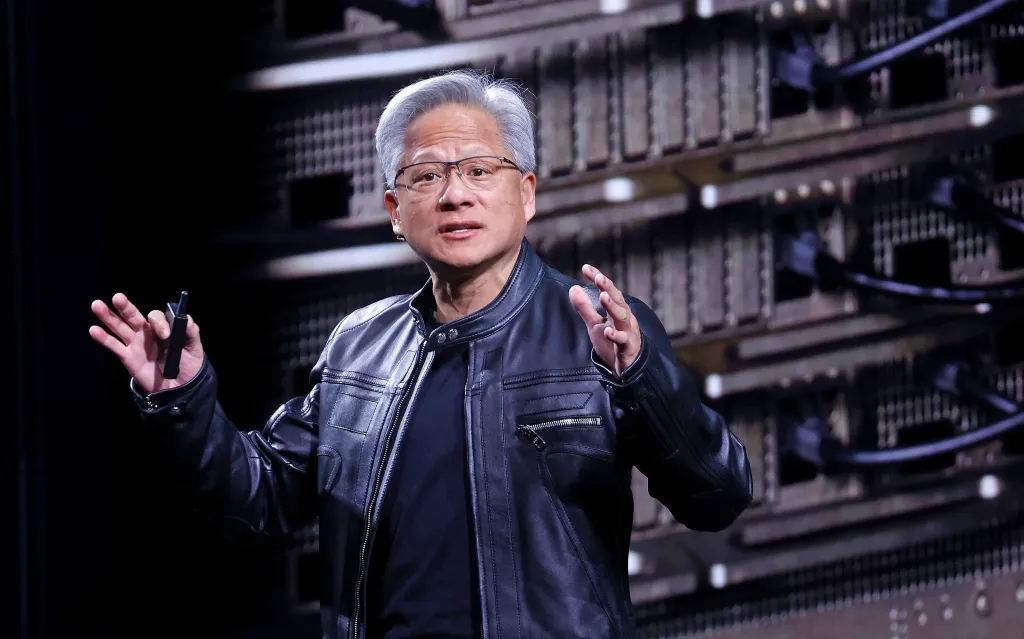
The change in tone came from Huang’s September 2026 comments that governments do not need to regulate AI and that safety should remain with the industry. Tech news coverage on Wednesday, September 16, placed those remarks at the centre of the policy discussion, although the verified information does not identify a specific venue or provide a longer transcript.
The central claim is straightforward. AI companies understand their systems, training processes, and failure modes better than lawmakers, so technical safety work should be handled by the people building the technology. That approach could allow faster changes to testing methods, model controls, and deployment policies than legislation, which often takes months or years to update. Critics will focus on accountability. If safety decisions remain voluntary, companies may define acceptable risk differently, and affected users may have limited routes to challenge harmful outcomes. The debate also reaches beyond software: NVIDIA’s processors make large-scale AI deployment possible, linking hardware supply to questions about who should set safety boundaries. For more detail, see OpenAI Blog.
The After: What Changes for Regulation and NVIDIA Hardware
After the comments, the argument is no longer limited to whether AI should be regulated. It now asks whether the companies building models, cloud systems, and processors can be trusted to police the full chain without mandatory rules. The practical consequences remain unclear because the verified facts do not establish a new NVIDIA safety framework, a regulatory agreement, or a government response.
They also do not confirm specifications; Jensen Huang Took, reflects how the chief executive’s public statements can extend beyond product announcements into technology policy and corporate strategy. The latest comments may influence how customers assess NVIDIA’s governance practices, but they do not yet change the confirmed capabilities or availability of any upcoming chip.
Before and After: Jensen Huang on AI Safety Debate
| Issue | Before Wednesday’s coverage | After Huang’s statement |
|---|---|---|
| Primary safety role | Shared between companies and governments | Led by the AI industry |
| Regulatory expectation | Public rules set minimum obligations | Voluntary technical safeguards take priority |
| NVIDIA hardware | Product information assessed separately | Policy debate linked to future processor access |
| Buyer certainty | Existing products remain the reference point | Upcoming specifications, |
What’s Next for AI Regulation
The next test will be whether NVIDIA’s industry-led approach can satisfy governments, enterprise customers, and people affected by automated decisions. Regulators may still pursue disclosure, safety testing, or liability requirements even if companies prefer voluntary standards. For more detail, see VentureBeat AI.
For buyers, no immediate hardware purchase decision follows from the statement because official processor specifications, pricing, and launch timing are not confirmed. If you are evaluating AI infrastructure today, pick products with published specifications and support terms; if you are tracking policy risk, pick vendors that explain testing, incident reporting, and accountability in writing. The policy question is moving from who builds AI to who gets to decide when it is safe.
FAQs: Jensen Huang
Did Jensen Huang say AI regulation is unnecessary?
Yes. The September 2026 remarks highlighted in Wednesday’s tech news argued that AI regulation is unnecessary and that safety should be left to the industry.
Are upcoming NVIDIA processor specifications confirmed?
No. Specifications connected with the September 2026 announcements are based on leaks and supply-chain reports, not official NVIDIA disclosures.
No. Confirmed pricing and launch dates for the NVIDIA AI chips referenced in the policy discussion are not available in the verified information.
Does this statement change current AI chip availability?
No. The statement is about regulation and safety. It does not confirm a product launch, processor specification, Understanding Jensen Huang fully means staying ahead of these developments.
Was this article helpful?
Your feedback directly improves future articles on this site.