MEX-W
 ARG-W
 CRY0
 NEW2
 HUL1
 BRE1
 LIV2
 BHA0
 MAN0
 BOU3
 ATA4
 FRO3
 GEN1
 VEN0
 MON0
 LILL1
 UDI
 MIL
 BAR
 RMA
 Mohun Bagan
 Chennaiyin
 PSG
 Lyon
 Sevilla
 Osasuna
 NED
 OMA
 CDN
 SCB
 RAFC
 FCF
 NGA148
 UGA147/9 (20 ov, target 149)
 ATH4
 GET0
 INT2
 FIO1
 CHU2
 PFC3
 LIMWn
 NW-W
 NCWmn
 FsWm
 NWEST22/3 (3.1/20 ov, target 181)
 NCAPE180/3
 BOL137/9 (20 ov)
 TITNS137/8
 NZ-A317
 IND-A113 & 106/2 (36 ov)
 SYL280/2 (84 ov)
 KHU
 MYMS465/7d
 CHATT134/2 (40 ov)
 DHA521
 RAJ103/6 (26 ov)
 RAN402
 BAR179/3 (56.1 ov)
 BRB
 MOW
 TOK
 MIS
 SIKM
 NAGA
 JHK
 DELHI
 ODSA
 SVCS
 CGR
 AP
 GMB112/9
 LES109 (19.5/20 ov, target 113)
 MOZ110/7 (19/20 ov, target 110)
 ZMB109/9
 IND-W328/6
 ZIM-W207 (48.5/50 ov, target 329)
 PAK243/9 (47.1/50 ov, target 242)
 ENG241
 UAE244/8
 KER0
 MCFC0
 TSG0
 B040
 CEL0
 BET0
 Goztepe2
 Çorum FK0
 BIR1
 CHA0
 AZ
 TWE
 Atlético1
 Deportivo0
 Lazio2
 Parma1
 Lens2
 Paris FC1

Christopher Nolan really brings Interstellar to life with practical effects, transforming what might have been a typical space opera into a tangible, immersive experience.
Since its release on November 7, 2014, the film has stood out as a landmark in science fiction. You can currently stream it on platforms like HBO Max and Amazon Prime Video. By focusing on physical sets and in-camera techniques instead of relying solely on digital effects, Nolan created a connection between theoretical physics and genuine human emotions.
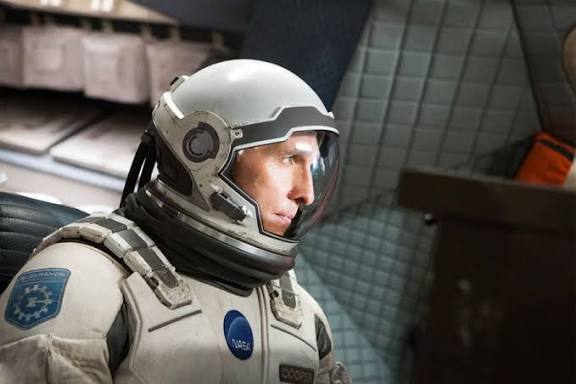
The film’s production was a huge endeavor led by Legendary Pictures and Syncopy Films. Instead of just using green screens, the team constructed massive, rotating sets to replicate the gravity-defying environments of the Endurance spacecraft.
This commitment to physical reality enabled lead actors like Matthew McConaughey, Anne Hathaway, and Jessica Chastain to interact with their surroundings in ways that CGI often struggles to achieve. The outcome? A staggering $677 million worldwide box office performance. This success shows that audiences truly appreciate the weight and authenticity that comes with tangible filmmaking.
This filmmaking approach creates a distinctive visual style. The tension between the vastness of space and the intimacy of the cockpit only exists because that cockpit is a physical entity. When you see the ship spin, you’re not just watching a digital render; you’re witnessing a giant structure moving through space. Industry experts point out that this offers a sense of scale impossible to replicate with digital effects. It’s this dedication to craft that keeps the film relevant even over a decade later.
Not everyone is on board with this focus on physical sets. Some critics argue that modern digital rendering has advanced so far that the costs and time associated with practical sets might not be worth the slight increase in realism.
But the numbers suggest a different story. The strong emotional reactions from audiences—and the film’s lasting legacy—indicate that our eyes are surprisingly adept at spotting the “uncanny valley” in fully digital environments.
So, what’s next for this production style? As AI tools keep evolving, filmmakers are discovering new ways to merge these two worlds. While some technological advancements in rendering are making the post-production process smoother, the demand for directors who know how to create a physical frame remains strong. Nolan has shown that even in a time filled with digital possibilities, the best way to make the impossible feel real is to actually build it, light it, and film it.
FAQs
Did Interstellar win any major awards for its visual effects?
Yes, Interstellar won the Academy Award for Best Visual Effects in 2015, recognizing its innovative blend of practical and digital techniques.
Who were the lead stars in Interstellar?
The film features a strong ensemble cast led by Matthew McConaughey, Anne Hathaway, and Jessica Chastain.
Where can I watch Interstellar today?
As of July 2026, you can find Interstellar on popular OTT platforms, including HBO Max and Amazon Prime Video.
What themes are explored in Interstellar?
Interstellar delves into profound themes such as love, sacrifice, and humanity’s survival.
How did Nolan approach the science in Interstellar?
Nolan worked closely with physicist Kip Thorne to ensure the film’s science was as accurate as possible.