Mohun Bagan
 Chennaiyin
 PSG
 Lyon
 Sevilla
 Osasuna
 NED
 OMA
 NZ
 IND
 NAM
 IRE
 PAK
 SL
 SA
 AUS
 BAR1
 RMA2
 UDI0
 MIL2
 RSO2
 LEV1
 LEC0
 JUV2
 BRB76/3 (9/15 ov)
 MOW
 NZ-A317
 IND-A113 & 488/8 (119 ov)
 SYL280/2 (84 ov)
 KHU
 MYMS465/7d
 CHATT134/2 (40 ov)
 DHA521
 RAJ103/6 (26 ov)
 RAN402
 BAR179/3 (56.1 ov)
 SIKM
 NAGA87/5 (41.1 ov)
 JHK
 DELHI102/2 (37 ov)
 ODSA100/2 (37 ov)
 SVCS
 BRODA80/3 (32 ov)
 J & K
 CHD130/0 (31 ov)
 HP
 CGR
 AP119/6 (36 ov)
 LUL
 SPR
 TOK
 MIS
 MEX-W51 (12.5/20 ov, target 187)
 ARG-W186/7
 NGA148
 UGA147/9 (20 ov, target 149)
 GMB112/9
 LES109 (19.5/20 ov, target 113)
 MOZ110/7 (19/20 ov, target 110)
 ZMB109/9
 IND-W328/6
 ZIM-W207 (48.5/50 ov, target 329)
 ENG241
 Abha
 Al Faisaly
 Sassuolo
 Lazio
 Neftchi Fergana
 Al Ittihad
 Besiktas
 Istanbul BB
 Caykur Rizespor
 Trabzonspor
 SUN0
 LEE0
 SCF1
 MUN3
Roja Film: Roja is a milestone in Indian cinema. Its minimalist soundscapes played a key role in creating an emotional depth when it hit theaters in 1992.
Directed by Mani Ratnam and produced by the Tamil Nadu State Film Corporation, the film features Arvind Swami and Madhoo in the lead roles. As of today, June 22, 2026, you can find this film on streaming platforms like Amazon Prime Video. Its success comes from a unique blend of quiet, atmospheric tension and gripping storytelling.
While many blockbusters back then relied on loud orchestrations to convey drama, Ratnam took a different approach. The minimalist sound design in Roja lets the audience immerse themselves in the characters’ vulnerabilities, especially during the intense kidnapping scenes.
By eliminating unnecessary noise, the soundscape highlighted the silence of the Kashmir valley, making the personal stakes feel much larger than the rumored 8 crore INR box office collection might imply. This skillful blend of sound choices and a poignant political narrative earned the film the National Film Award for Best Feature Film.
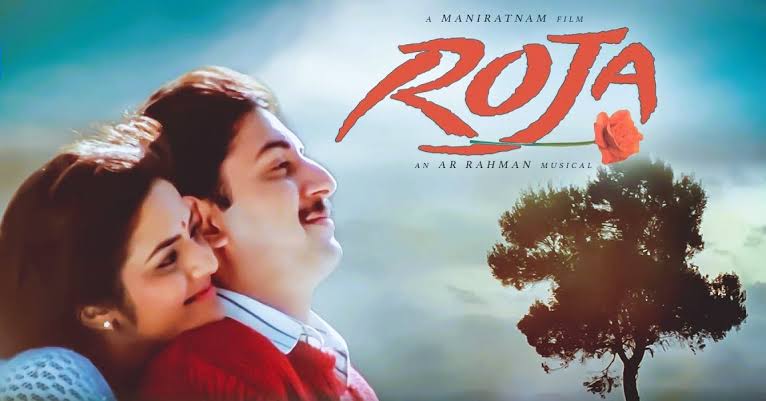
Roja film: Technical mastery and cultural impact
The connection between sound and visuals in this film set a new bar for regional cinema. Ratnam recognized that sometimes, what you don’t hear carries as much weight as the dialogue. This unique approach to sound design, which you can explore through detailed archives of Indian cinema history, allowed viewers to connect deeply with Arvind Swami’s character. Instead of overused action clichés, the film incorporated natural ambient sounds to reflect the protagonist’s isolation.
Critics often highlight this film as the moment when Mani Ratnam truly grasped the “less is more” philosophy. By zeroing in on the characters’ inner worlds, the sound team crafted an intimacy that few films have managed to replicate since.
This emphasis on subtle auditory cues allowed the film to rise above its genre, transforming a typical political drama into a timeless piece of art. Its commercial success proves that Indian audiences were eager for more mature and nuanced storytelling.
Roja film: Why Roja continues to influence modern directors
The legacy of Roja remains strong in 2026, as modern filmmakers keep studying its restraint. While today’s cinema often uses heavy CGI and complicated audio layers, you can still see Ratnam’s influence in how directors approach silence.
This technique serves as a reference point for any creator looking to balance political themes with human-centered narratives. It’s not just about nostalgia; it reflects the technical precision that made the film a critical success.
Looking ahead, preserving these classics digitally ensures that future generations can appreciate these stylistic choices. The trend toward high-fidelity audio on OTT platforms allows viewers to pick up on the subtle sound design nuances that were lost in 1992 cinema halls.
Whether you’re a long-time fan or watching for the first time, the intensity of Roja showcases the power of minimalist filmmaking. It’s remarkable how the film feels just as relevant today as it did over thirty years ago.
FAQs
Why is Roja considered a landmark film?
Roja is celebrated as a landmark due to its innovative mix of political storytelling, outstanding music, and a minimalist sound design that redefined emotional intensity in Indian cinema.
Who directed the film Roja?
Mani Ratnam directed the 1992 film Roja, featuring Arvind Swami and Madhoo.
Did Roja win any major awards?
Yes, the film won the National Film Award for Best Feature Film in 1992, solidifying its significance in cinematic history.