DAL0
 SJ0
 HOU0
 MIN0
 SKC1
 ATX0
 COL0
 VAN0
 RSL0
 STL0
 UAE
 NED
 PAK
 ENG
 IND-W
 ZIM-W
 GMB
 LES
 MOZ
 ZMB
 Inter Milan
 Fiorentina
 Churchill
 Punjab FC
 NGA
 UGA
 MEX-W23 (9.3/20 ov, target 189)
 ARG-W188/5
 ATM1
 DEP0
 LAZ2
 PAR1
 RCL2
 PAR1
 NZ-A317 (89.3 ov)
 IND-A113
 SYL
 KHU
 MYMS299/4 (87 ov)
 CHATT
 DHA293/3 (84.1 ov)
 RAJ
 RAN320/5 (80 ov)
 BAR
 DEN
 PNG
 NAM321/6
 IRE290 (47.3/50 ov, target 322)
 WEL0
 CCM0
 Athletic
 Getafe
 C Palace
 Newcastle
 Hull
 Brentford
 Liverpool
 Brighton
 Man United
 Bournemouth
 Atalanta
 Frosinone
 RIY2
 TAA1
 CHE0
 TOT2
 VAL1
 VIL2

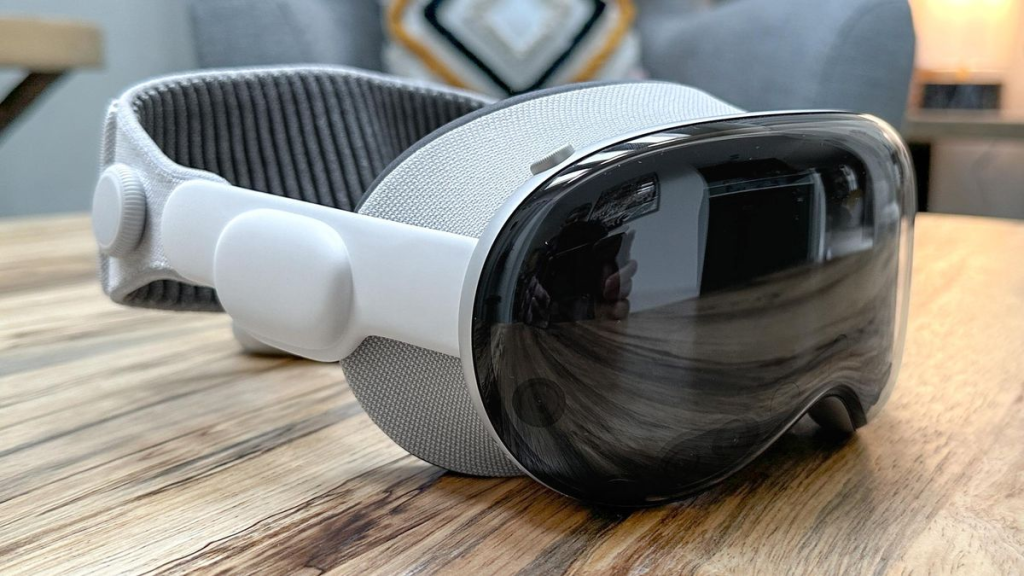
As of June 15, 2026, the upgrades in Apple Vision Pro 2’s display technology are among the most anticipated developments in the company’s spatial computing lineup. The original Apple Vision Pro debuted on February 2, 2024, at a starting
Display Technology Innovations
The first model set a high standard, boasting a sophisticated micro-OLED display system that packs an impressive 23 million pixels across two panels. This powerful hardware runs on the Apple M2 chip, along with a specialized R1 co-processor that takes care of real-time sensor processing to eliminate any lag.
We haven’t seen official specifications for a second-generation model just yet, but industry experts expect Apple to focus on significantly boosting pixel density and enhancing power efficiency.
Micro-OLED advancements for sharper visuals
The current micro-OLED setup delivers stunning clarity, but with the next iteration, Apple probably aims to reduce the annoying “screen door” effect at higher magnifications. By utilizing next-gen manufacturing techniques, Apple could increase sub-pixel density, making virtual text look as sharp as what’s printed on paper.
Increased refresh rate for smoother motion
Right now, motion rendering feels fluid, but raising the refresh rates—maybe pushing toward 120Hz or higher—could further ease eye strain during long sessions. This upgrade is crucial for professional workflows that demand precision.
Enhanced color accuracy and brightness levels
Brightness has been a significant bottleneck for AR/VR hardware. We expect the introduction of tandem OLED technology, similar to what you see in high-end tablets, to push peak brightness beyond current levels. This improvement would enhance contrast, especially in bright environments, making virtual elements feel more at home in the real world. Tom’s Hardware confirms.
Integration of eye-tracking technology
Eye-tracking plays a vital role in user experience. Future models will likely come equipped with higher-sampling-rate sensors, making it easier to predict user intent. Improved tracking enhances navigation and enables more aggressive foveated rendering, which conserves battery life by only using maximum resolution where the eye is focused.
User Experience Enhancements
One of the biggest challenges with any spatial headset is balancing weight with performance. The original model, reportedly featuring 12GB of RAM and 256GB of base storage unconfirmed, is a marvel of technology but demands a lot of power management. We anticipate that the next display upgrades will focus on better thermal management, allowing the device to run cooler while pushing more pixels. Ars Technica reports.
When you compare it to the portable gaming power of the PlayStation 5 Pro or the processing capabilities of a MacBook Pro, the Vision Pro has to find a unique balance between sustained performance and visual fidelity. It’s likely that Apple will revise its R1 co-processor to better manage higher-bandwidth display data, ensuring a seamless, lag-free transition between augmented and virtual realities.
FAQs
What are the key features of the Apple Vision Pro 2 display?
While not officially confirmed, expectations focus on higher pixel density, improved peak brightness through tandem OLED technology, and enhanced refresh rates to minimize motion blur.
How does the new display technology improve user experience?
Upgraded display technology mainly aims to reduce eye fatigue, enhance text legibility, and better integrate digital objects into the physical environment through improved contrast.
What are the potential applications of these upgrades?
Enhanced displays are crucial for professional design, remote collaboration, and high-fidelity 3D medical imaging, where visual precision is essential for users.
When is the Apple Vision Pro 2 expected to launch?
As of June 15, 2026, there’s no official launch date. Apple usually showcases new hardware at major events like WWDC, but no announcements for a successor have been verified. Apple Vision Pro 2