ENG429/4
 SL407/6 (47.2/50 ov, target 430)
 FAT1
 SHA2
 KAI0
 PAO4
 ARA
 AZ
 DZG
 NEC
 FER
 TOR
 JUV
 REN
 LECH
 SUN
 OFI
 B04
 STG
 OLM
 USG
 HBE
 HAZ2
 FAY2
 AUS-W
 NZ-W11/2 (2.4/14 ov)
 NAM174 (37.5/50 ov, target 230)
 IRE229/9
 NZ225/4
 IND230/6 (19.4 ov)
 EASTN
 KZNIN
 BCBXI371/7 (90 ov)
 WI
 IND-W
 ZIM-W
 LES
 ZMB
 NGA
 MOZ
 AFG
 ZIM
 GMB
 UGA
 DOLPH
 SWD
 TAS
 VIC
 AFG19
 BAN19
 BAN160
 CHN4
 SAM0
 ESP2
 AUS0
 Aston Villa3
 Viking FK1
 Bayern2
 Arsenal2
 Club Brugge3
 Lens0
 Inter Milan1
 Shakhtar0
 Betis1
 Feyenoord0
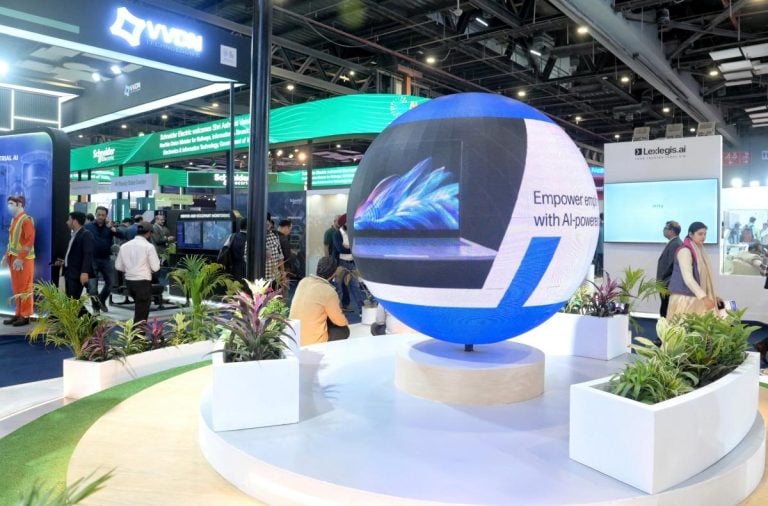
Bharat AI sparks a lot of discussion in the tech world, especially since, as of June 2, 2026, we still don’t have confirmed details on specifications, pricing, or a launch date.
Usually, when people mention Bharat AI, they’re talking about the strategic framework launched under the IndiaAI Mission. The Union Cabinet gave the green light to this initiative on March 7, 2024. With a budget of ₹10,371.92 crore over five years, the mission aims to make India a major player in AI research and infrastructure.
The Ministry of Electronics and Information Technology (MeitY) oversees these national efforts, and you can find more information on the indiaai.gov.in portal, which acts as the main hub for coordination within the ecosystem.

Infrastructure Ambitions and Technical Realities
At the heart of India’s national AI strategy is the goal to build a strong public compute infrastructure that supports homegrown innovation. Reports indicate that the IndiaAI Mission aims for a compute infrastructure with over 10,000 GPUs, although final procurement numbers are still [UNCONFIRMED].
This substantial investment is meant to help startups and researchers who struggle with high costs when using international cloud-based AI resources. By establishing a sovereign compute layer, the government hopes to encourage localized model training that caters to India’s rich linguistic and cultural diversity.
| Metric | Status as of June 2026 |
|---|---|
| Official Launch Date | [UNCONFIRMED] |
| Budget Allocation | ₹10,371.92 crore |
| Target GPU Capacity | 10,000+ [UNCONFIRMED] |
| Nodal Ministry | MeitY |
Currently, any specific hardware known as “Bharat AI” with confirmed details about RAM, storage, or processor specs is still [UNCONFIRMED]. While competitors launch new hardware, like the latest ASUS ProArt PCs, India is focusing on building the foundational layers of the AI stack instead of rushing to release consumer products.
The big question is whether this public-private partnership can grow quickly enough to keep pace with rapid advancements in global markets. Critics highlight the slow hardware procurement process, while supporters argue that the focus on long-term domestic data sovereignty makes it worth the wait, as noted by TechCrunch.
Next up for this initiative is integrating high-performance computing clusters into the national grid to power the next generation of generative AI models. As the government hones its procurement strategy, expect a shift toward curating localized datasets and developing specialized hardware accelerators, according to coverage from The Verge.
In the coming months, we hope to see more clarity on the timeline for GPU cluster deployment, which will be a key indicator of the project’s success. How India manages to keep this momentum going will largely depend on efficient public funding and active engagement from the local tech development community.
FAQs
What is the primary purpose of the IndiaAI Mission?
The mission aims to build a strong ecosystem for artificial intelligence in India. It focuses on compute infrastructure, data quality, and skill development to drive domestic innovation.
Is Bharat AI a smartphone or a commercial product?
As of June 2, 2026, there’s no official confirmation that Bharat AI is a consumer device like a smartphone or PC; it’s primarily linked to the national AI policy framework.
Where can stakeholders access official updates on these initiatives?
Stakeholders can find all official policy documents, tender information, and progress reports regarding the national AI strategy on the government’s official platform, indiaai.gov.in. Bharat AI
What is the primary objective of the IndiaAI Mission?
The IndiaAI Mission aims to establish a strong artificial intelligence ecosystem in India by developing scalable compute infrastructure, promoting local AI innovation, and fostering research with a significant budget of ₹10,371.92 crore.
How does the Bharat AI initiative support domestic technology development?
The Bharat AI initiative supports local tech development by giving researchers, startups, and academic institutions access to high-performance computing resources. This reduces reliance on foreign infrastructures and speeds up the creation of localized AI solutions.