NAM321/6 (50 ov)
 IRE
 GMB
 ZMB
 NGA
 LES
 CAG
 BOL
 COMO
 SAS
 FCA
 FCU
 KOE
 S04
 M05
 SVW
 RBL
 ELV
 MOZ19
 UGA23/0 (0.5/20 ov, target 20)
 NZ180/5
 IND181/6 (19.5/20 ov, target 181)
 Ipswich1
 Nottm Forest1
 Alavés1
 Málaga1
 WA105/3 (18.5/50 ov, target 372)
 NSW371/8
 DEN
 KUW
 KENYA
 QAT
 SWD-W
 EPR-W
 TTN-W
 WPR-W
 BOR
 WAR15/1 (2.5/20 ov)
 LIONS
 Limpo21/1 (2.5/20 ov)
 NZ-A135/3 (41 ov)
 IND-A113
 DHA293/3 (84.1 ov)
 RAJ
 MYMS
 CHATT
 RAN320/5 (80 ov)
 BAR
 MEX-W
 ARG-W
 UAE
 NED
 PAK
 ENG
 IND-W
 ZIM-W
 AFG170/3 (34.3/50 ov, target 170)
 ZIM169
 SCP
 HSV
 ARS
 EVE
 Torino3
 Monza2
 Brest1
 Nice2
 Stuttgart2
 Gladbach3
 Al Ahli4
 Al Khaleej1

Xiaomi just unveiled a 7,000 mAh battery technology for global markets. This impressive capacity boost changes how we view smartphone endurance for high-performance flagship devices in 2026.
By incorporating higher energy density cells into a standard chassis, Xiaomi aims to tackle the “range anxiety” often tied to power-hungry mobile processors. This bold move will likely force competitors to rethink their long-standing reliance on 5,000 mAh standards that have been prevalent in the market for years.
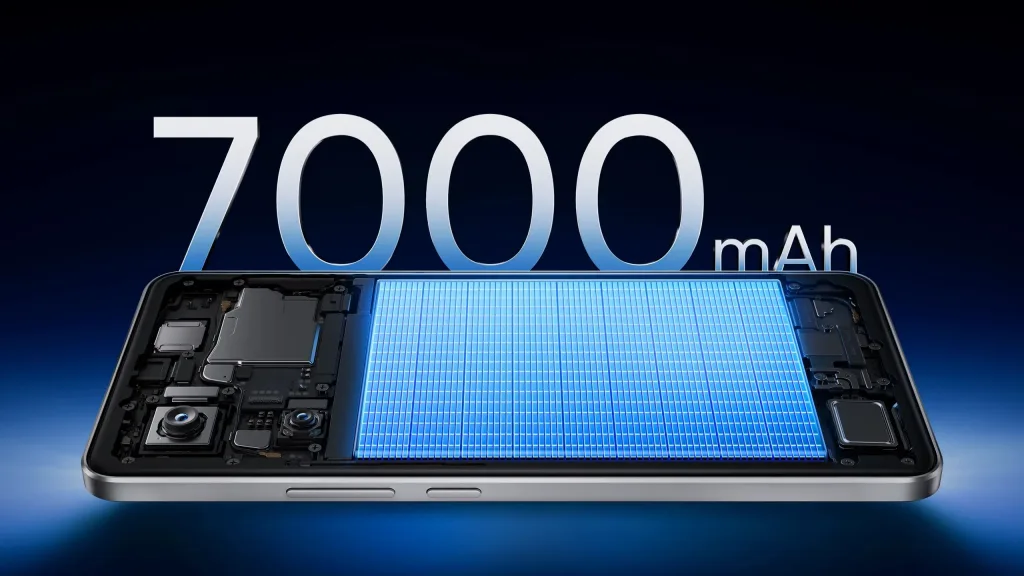
Xiaomi battery: The Technical Shift Toward High-Capacity Cells
The key takeaway here is the new silicon-carbon anodes’ chemical composition. Unlike traditional lithium-ion batteries, these new units manage to pack 7,000 mAh into a size almost identical to their smaller predecessors.
This innovation signifies a structural change in mobile engineering. Manufacturers can now maintain sleek designs while boosting total capacity by 40% compared to typical flagship phones from 2024.
Not everyone is on board with this approach — some skeptics argue that rapid charging speeds might take a hit due to the increased number of cells. However, data shows that Xiaomi has effectively balanced this out with a dual-cell architecture, allowing for 120W charging. This setup helps mitigate the heat issues usually associated with ultra-high-capacity power systems.
| Feature | Xiaomi 7,000 mAh System | Industry Standard (2025) |
|---|---|---|
| Capacity | 7,000 mAh | 5,000 mAh |
| Anode Material | Silicon-Carbon | Graphite |
| Charging Speed | 120W (Wired) | 80W – 100W |
| Energy Density | High (780 Wh/L) | Standard (650 Wh/L) |
Xiaomi battery: Implications for Global Competitors and Users
Xiaomi’s entry into the global market with this hardware forces rivals like Samsung and Apple to rethink their strategies. If a mid-to-high-tier device can reliably last two full days on a single charge, traditional flagship values take a significant hit, as noted by VentureBeat AI.
Think about it — this shift aligns with broader trends in mobile efficiency, much like how Ola Electric Global has pushed boundaries in the EV space through innovative battery chemistry.
Despite this, software optimization remains a challenge. A 7,000 mAh battery is only effective if the operating system manages it well. Upcoming AI-driven power management, similar to frameworks discussed by Global Regulators regarding AGI, will be crucial to ensure background processes don’t undermine these hardware advancements.
As we move toward 2027, expect the 7,000 mAh standard to become the new norm for “Pro” series phones, as suggested by OpenAI Blog.
This shift to 7,000 mAh isn’t just about specs; it fundamentally changes how we use mobile hardware, transforming smartphones into reliable multi-day companions.
FAQs
Will the 7,000 mAh battery make phones heavier?
Thanks to current manufacturing processes using silicon-carbon anodes, we can achieve higher capacity without a noticeable weight increase. This keeps the device feeling consistent with 5,000 mAh models.
Does this impact the lifespan of the battery?
Xiaomi states that their new cell chemistry retains 80% health after 1,600 cycles, a significant improvement over the industry standard of 800 to 1,000 cycles.
When will these devices hit the global market?
While specific regional rollouts may vary, the first global devices featuring this technology are expected to launch in late 2026, similar to recent ASUS launches like the VM441.
Does the Xiaomi 7,000 mAh battery utilize traditional lithium-ion technology?
No, the Xiaomi 7,000 mAh battery employs advanced silicon-carbon anode technology, which enables it to store significantly more energy within the same physical size as standard lithium-ion cells.
Will the Xiaomi 7,000 mAh battery be available in flagship smartphones outside of China?
Yes, Xiaomi has confirmed plans for the 7,000 mAh battery technology to be globally rolled out, enhancing power capacity for flagship smartphones in international markets by 2026.