SA329 & 140/4 (47 ov)
 AUS429
 BAN272
 WI134/4 (48 ov)
 NZ
 IND
 NAM
 IRE
 Abha
 Al Ittihad
 NorthEast
 Bengaluru
 Al Diriyah
 Neom SC
 Le Havre AC
 PSG
 Nice
 Rennes
 Al Shabab
 Al Ahli
 FIO2
 ATA2
 NSR5
 KHO3
 RIY0
 QAD6
 FRO5
 LEC1
 SBP172 & 165/7 (59.4 ov, target 237)
 MITS112 & 296
 SOA154
 WA406/5d & 79/6 (29 ov)
 UAE
 NED
 PAK
 SL
 BH-W
 SS-W
 AS-W
 MS-W
 PS-W
 MR-W
 MIS
 TOK
 AFG221/7
 ZIM202/5 (20 ov, target 222)
 ENG386/5
 OMA196
 HH-W174/8 (20 ov, target 193)
 ST-W140/4 (17/20 ov, target 139)
 MOW185/3
 VAG90/9 (20 ov, target 186)
 SCR2
 ALM2
 FDU0
 CCSU0
 Elversberg
 Mainz
 Villarreal
 Espanyol
 KHA4
 HAZ2
 Genoa2
 Juventus0
BYD is reportedly in talks with Stellantis regarding a potential factory takeover, signaling a significant shift in the European automotive landscape. As the industry navigates a transition away from traditional internal combustion engines, such partnerships underscore how legacy manufacturers are exploring new strategies to remain competitive in the evolving electric market.
The Path to the Current BYD and Stellantis Negotiations
The story of this potential collaboration begins with the rapid rise of the Chinese automaker, which was founded in 1995 and has since become a global leader in electric vehicles and battery technology. Meanwhile, Stellantis—a multinational giant formed in 2021 from the merger of Fiat Chrysler Automobiles and PSA Group—has been aggressively managing its global footprint. As we have noted in our coverage of Stellantis’ Bold Pivot:, the company is investing heavily in software and electrification. Reports indicate that these discussions are currently ongoing, with both parties exploring options for a European facility. While neither side has confirmed an official agreement, the talks represent a strategic alignment between a dominant EV manufacturer and an established automotive conglomerate. This development mirrors other recent market shifts, such as when Leapmotor Reportedly Expands its operations to reach international buyers.
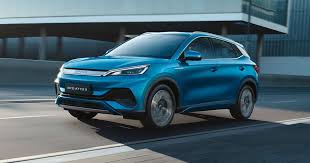
Why These Negotiations Matter for the European Market
Industry analysts, including those at MotorTrend, suggest that the move could be a reaction to the declining demand for gas-powered vehicles, which recently saw a 37% drop in major markets. By potentially repurposing existing European infrastructure, the companies could bypass common logistical hurdles associated with building new plants from scratch. The real question is whether this partnership will focus on shared platform development or purely manufacturing output. While details regarding specific vehicle models, engine specifications, or launch dates remain unconfirmed as of May 2026, the potential for a synergy between Chinese manufacturing speed and European distribution networks is immense. Still, skeptics argue that regulatory scrutiny of non-European manufacturing could complicate the final deal. Regardless of the outcome, the fact that BYD is engaging in high-level talks with a legacy player like Stellantis highlights the shifting power dynamics in global vehicle production.
FAQs
Is the BYD and Stellantis deal confirmed?
No, the discussions are ongoing and no official agreement has been announced.
What is the factory location?
The exact location remains undisclosed, though it is reportedly in Europe.
Are vehicle specs available?
No, there are no confirmed details regarding models, range, or performance.
<!– { “title”: “BYD Reportedly in Talks with Stellantis for Factory Takeover — What We Know So Far”, “description”: “Are BYD and Stellantis in talks for a European factory takeover? Explore the latest updates, potential implications for the EV market, and what this means for global production.”, “robots”: [ “index”, “follow”, “max-snippet:-1”, “max-video-preview:-1”, “max-image-preview:large” ], “canonical”: “”, “focus_keyword”: “byd”, “opengraph_title”: “BYD Reportedly in Talks with Stellantis for Factory Takeover — What We Know So Far”, “opengraph_description”: “Are BYD and Stellantis in talks for a European factory takeover? Explore the latest updates, potential implications for the EV market, and what this means for global production.”, “opengraph_image”: “”, “twitter_title”: “BYD Reportedly in Talks with Stellantis for Factory Takeover — What We Know So Far”, “twitter_description”: “Are BYD and Stellantis in talks for a European factory takeover? Explore the latest updates, potential implications for the EV market, and what this means for global production.”, “twitter_image”: “”
Why is BYD looking to acquire a European factory from Stellantis?
BYD aims to localize production within Europe to bypass potential import tariffs and reduce logistics costs. By acquiring an existing facility, the company can accelerate its market entry and establish a “made in Europe” supply chain to better compete with domestic manufacturers.
What are the potential implications for the European EV market?
If the deal proceeds, it could significantly intensify price competition in the European EV sector. BYD’s ability to leverage its vertically integrated supply chain could force established European automakers to accelerate their own cost-reduction strategies to remain competitive.
How would this takeover affect global EV production?
This move represents a major shift in global automotive strategy, signaling that Chinese manufacturers are moving beyond exporting to becoming localized global players. It could trigger a wave of similar partnerships or acquisitions as international brands seek to balance global production footprints amidst shifting trade policies.