DAL1
 SJ0
 HOU0
 MIN0
 SKC1
 ATX1
 COL0
 VAN0
 RSL1
 STL0
 UAE
 NED
 PAK
 ENG
 IND-W
 ZIM-W
 GMB
 LES
 MOZ
 ZMB
 Inter Milan
 Fiorentina
 Churchill
 Punjab FC
 NGA
 UGA
 MEX-W23 (9.3/20 ov, target 189)
 ARG-W188/5
 ATM1
 DEP0
 LAZ2
 PAR1
 RCL2
 PAR1
 NZ-A317
 IND-A113 & 10/2 (4.4 ov)
 SYL
 KHU
 MYMS299/4 (87 ov)
 CHATT
 DHA293/3 (84.1 ov)
 RAJ
 RAN320/5 (80 ov)
 BAR
 DEN
 PNG
 NAM321/6
 IRE290 (47.3/50 ov, target 322)
 WEL1
 CCM0
 Athletic
 Getafe
 C Palace
 Newcastle
 Hull
 Brentford
 Liverpool
 Brighton
 Man United
 Bournemouth
 Atalanta
 Frosinone
 RIY2
 TAA1
 CHE0
 TOT2
 VAL1
 VIL2

On April 22, 2026, Huawei launched the Pura X Max, going head-to-head with the Samsung Galaxy S23 Ultra and Apple iPhone 14 Pro Max in the ultra-premium market. Starting at $1,199, it features a 6.9-inch OLED display, Kirin 9000 processor, and HarmonyOS 3.0.
The big question for Western buyers? Does the price tag alone justify choosing this phone over its established rivals?
Huawei’s March Announcement and April 22 Launch: A Calculated Market Entry
Huawei announced the Pura X Max to press and industry analysts on March 15, 2026, signaling an aggressive push back into premium markets after years of regulatory and supply-chain struggles. Pre-orders kicked off April 1, giving early adopters a three-week head start before today’s general release.
This rollout strategy—announcement, then pre-orders, then launch—follows the Samsung and Apple playbook. It shows Huawei understands how to manage global product cycles despite the geopolitical obstacles it faces.
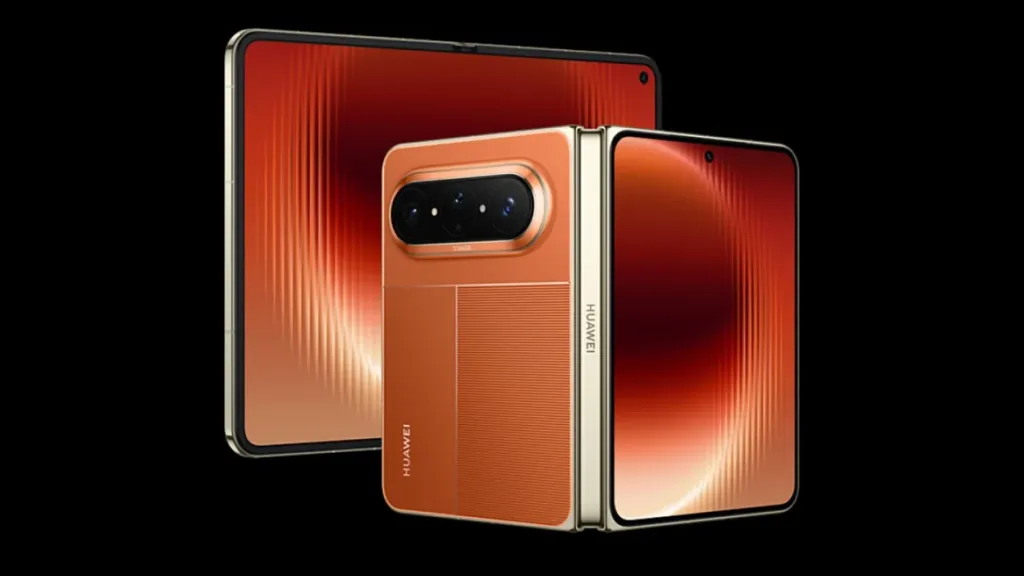
The four color options (Midnight Black, Ocean Blue, Emerald Green, and Sunset Gold) lean into premium aesthetics rather than trying to stand out through gimmicks.
Huawei’s timing is smart. Tech Earnings 2026: reports show people still spend big on flagship phones even with economic uncertainty. The company’s internal data likely confirms there’s real demand at $1,199—especially among users open to adopting HarmonyOS 3.0 instead of Android or iOS.
Why the $1,199 Price Point Matters: Ecosystem Lock-In and Regional Availability
Matching Samsung’s Galaxy S23 Ultra at exactly $1,199 is no accident. This strategy forces buyers to compare specs, ecosystems, and software support instead of just picking the cheaper option.
Here’s the catch: HarmonyOS 3.0 adoption will make or break this phone for Western users. Google Play Services and the App Store are what they know. HarmonyOS 3.0 promises better third-party support and cloud-based app distribution, but we’ll need real-world proof before anyone can claim victory. Dyson’s New Travel Hair Dryer
The $1,199 entry price cuts out budget-conscious shoppers entirely. This phone lives in the premium tier where people already have strong brand preferences and existing ecosystem investments. That said, it’s more competitive than it looks in Asia, Europe, and emerging markets where Huawei has solid carrier relationships.
Huawei didn’t release a $999 or $1,099 variant like Apple does with the iPhone 14 Pro Max. That’s intentional. They’re avoiding a price war and betting that what’s inside the phone justifies the premium positioning.