

Football wearable technology is shaking up how footballers train, recover, and stay healthy—from Premier League pros down to local club players. In this guide, we’ll cut through the noise and show you what benefits these devices actually deliver, what types are out there, and how you can get the most from them. Want to geek out even more on football equipment? Check our Complete Guide Football for deeper dives.
What Is Football Wearable Technology and Why’s It Catching On?
When people talk about football wearables, they usually mean things like GPS trackers, heart rate straps, or smart vests—gear that tracks your movement, effort, and overall health right as you play. You’ll find these tools everywhere at the highest level. But here’s the thing: they’re popping up fast with younger players and amateur teams too. Why? Because you no longer need a Premier League budget to get your hands on them—prices have dropped.
The big draw? Objective data. Instead of guessing, coaches and players now get actual numbers. Still, not every gadget is worth it—picking the right one can give you an edge.
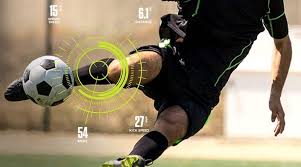
Football wearable technology: Key Benefits for Players and Coaches
The biggest win? Insight. Wearables break your performance down into hard stats—distance, sprints, accelerations, decelerations, and heart rate zones. Coaches use this info to tweak training sessions, control workloads, and help players steer clear of injuries. For players, it’s real feedback on what’s working and what needs work.
But don’t sleep on this: recovery metrics matter just as much. It’s not only about how far or fast you go—it’s about how quickly you bounce back. The latest wearables even track sleep and muscle fatigue, which is key for dodging soft-tissue injuries. According to ESPN, clubs that look closely at recovery numbers see fewer hamstring issues.
So, do wearables actually make a difference? Early research points to yes—teams using advanced data tend to have fewer injuries and more players available. But here’s the catch: not every team knows how to read the numbers—data only helps if someone knows what it means.
Popular Wearable Devices and How They Help in Football
Wearables come in a bunch of shapes, each with its own strengths:
| Device Type | Main Function | Key Stat |
|---|---|---|
| GPS vests | Track positional data, speed, and work rates | Distance covered |
| Heart rate monitors | Gauge exertion and adjust intensity | Heart rate zones |
| Smart insoles | Analyze foot strikes, balance, and risk of overload | Foot strike patterns |
| Recovery bands | Track sleep, HRV (heart rate variability), and muscle readiness | Sleep quality |
Top clubs don’t just pick one—they use several, building a full picture. What’s really making a difference? Making this data part of the daily routine, not saving it just for game day. Want to see how these gadgets translate into better performance? Dive into our Guide Football Performance.


