NZ113/3 (14.4 ov)
 IND
 NAM321/6
 IRE208/5 (37.3/50 ov, target 322)
 MEX-W
 ARG-W
 ARS
 EVE
 COV
 FUL
 OFC
 NEU
 NEOM
 ABH
 RAC
 ESP
 KHO
 ETT
 NAP
 ROMA
 MOZ19
 UGA23/0 (0.5/20 ov, target 20)
 Ipswich1
 Nottm Forest1
 Alavés1
 Málaga1
 Torino3
 Monza2
 KENYA
 QAT
 SWD-W
 EPR-W
 TTN-W
 WPR-W
 BOR135/3 (18/20 ov, target 137)
 WAR136/8
 NZ-A135/3 (41 ov)
 IND-A113
 DHA293/3 (84.1 ov)
 RAJ
 MYMS299/4 (87 ov)
 CHATT
 RAN320/5 (80 ov)
 BAR
 SYL
 KHU
 UAE
 NED
 PAK
 ENG
 IND-W
 ZIM-W
 GMB
 LES
 ZMB
 NGA
 AFG170/3 (34.3/50 ov, target 170)
 ZIM169
 CHE
 TOT
 Brest1
 Nice2
 Stuttgart2
 Gladbach3
 Al Ahli4
 Al Khaleej1

Sunderland versus Tottenham has everyone talking, but there’s more to this match than just who scored. Both managers took big tactical risks that most folks missed, and it really shook up the whole contest. Want to dive deeper into player matchups? Swing by our Key Player Battles guide for some extra context.
Sunderland Tottenham: Why High Press vs Low Block Exposed Both Midfields
When this one kicked off, most fans thought Tottenham’s controlled 4-3-3 would mean they’d keep the ball with ease. But here’s the thing—Sunderland’s boss threw a curveball by going all-in with a high press, pushing Tottenham into nervy, rushed build-up. In just the first 20 minutes, Sunderland won possession high up the field three times, which led to a 0.47 xG spike (check BBC Sport for the numbers). They couldn’t make those chances count, though, and Tottenham quickly figured things out.
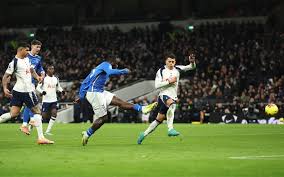
So how did Spurs react? They pulled their full-backs back, sliding into a 4-2-3-1 whenever they didn’t have the ball. This move shut down Sunderland’s wingers and funneled play through the middle, where Bissouma and Bentancur—Tottenham’s double pivot—were waiting to clean things up. Sunderland’s press created plenty of chaos, but it left huge gaps behind, and honestly, that’s a gutsy move in a clash like this.
Neither manager really grabbed the game by the scruff of the neck. Instead, the match opened up with wild momentum swings—sometimes it felt downright frantic out there. Think about other Premier League matches that turn into tactical chess matches; you can check our it: Turning points analysis for more of that.
Sunderland Tottenham: this: The Passing Completion Drop-off Nobody Is Talking About
People love to talk about attacking intent, but here’s something that slipped under the radar: this match saw some of the lowest combined passing completion numbers these two teams have posted in years—just 78%. That’s not just trivia; it comes straight from the chaos created by both teams pressing hard and turning the game into a back-and-forth battle. Sunderland’s midfield, normally so tidy, only managed 73% completion while Tottenham’s press was in full effect.
Tottenham didn’t have it any easier. During Sunderland’s early surge, Spurs couldn’t string together more than four passes without coughing up possession. Why’s this a big deal? Because Tottenham usually rely on keeping the ball—it’s their safety blanket. Without it, they had to play long, risky balls that hardly ever worked. That single stat tells you everything: this match was about taking risks, not keeping control.
So, who actually got the upper hand in all that chaos? Truth is, neither side ever settled, and you don’t often see both managers lean into that kind of unpredictability in a top-flight match. If you’re keeping tabs on tactical trends, you should really compare this to what we broke down in our Crystal Palace Battles breakdown.