Iraqi women are front and center in a powerful new documentary that just premiered at CPH:DOX, the Copenhagen International Documentary Film Festival. “Burning Voice” captures what it’s actually like for women fighting for rights and dignity in Iraq—a country where systemic barriers, cultural constraints, and political instability have worked hard to keep female voices quiet. This isn’t just observation; it’s amplification. The film offers a raw, intimate look at resilience that pushes viewers to face uncomfortable truths about gender inequality in the Middle East. Our guide to visual storytelling in documentaries explores how filmmakers use camera work to center marginalized narratives.
Iraqi women: Why This Documentary Matters Now
Documentary filmmaking has changed. Platforms like Netflix, Amazon Prime, and international festival circuits now prioritize stories about underrepresented communities—and “Burning Voice” shows up at exactly the right time. Iraqi women have organized for decades, but their voices rarely reach global audiences. This film changes that.
The CPH:DOX premiere signals serious industry attention. Copenhagen is one of the world’s most prestigious documentary venues, attracting distributors, streamers, and film critics who decide what gets released internationally. When a documentary about Iraqi women debuts there, it sends a message: global audiences want these narratives. The film’s unflinching approach—no sanitized storytelling—resonates with viewers who value authenticity over sentiment.
What Iraqi Women Face Daily
“Burning Voice” doesn’t shy away from the structural violence that Iraqi women navigate every day. Legal discrimination in family law. Workplace harassment. Underrepresentation in politics. The barriers are systemic and deeply rooted. Iraqi women hold less than 15% of parliamentary seats, despite making up nearly 50% of the population.
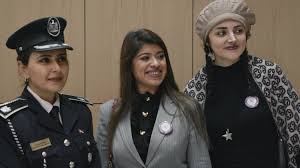
What sets this film apart is how it refuses to paint these women as victims. Instead, you see their agency—the organizing, the protesting, the everyday acts of resistance. One subject might be a lawyer fighting for custody rights. Another could be a journalist documenting state violence. These aren’t statistics. They’re real people with names, strategies, humor, and anger.
The film also contextualizes Iraq’s political collapse after 2003. War, occupation, and sectarian conflict created conditions where women’s rights get sacrificed for so-called “stability.” That historical perspective transforms the documentary from a simple human-rights story into something bigger—a geopolitical reckoning (according to VentureBeat AI).
The Film’s Streaming Potential
Here’s the real question: Will this reach streaming platforms? International documentaries about women’s rights have found audiences on streaming services focused on social impact. Apple TV+ especially has invested heavily in documentary content about human rights and gender justice.
CPH:DOX premieres typically become launchpads for distribution deals. Festival buzz drives streamer interest. If “Burning Voice” lands a major platform deal, its stories could reach millions worldwide—changing how mainstream audiences understand Middle Eastern feminism. That matters because representation shapes policy conversations, donor funding, and international pressure on governments.
People Also Ask
Q: Where can I watch “Burning Voice”?
As of early 2026, the film premiered at CPH:DOX. Distribution details for streaming platforms are still pending, though festival premieres typically lead to platform deals within 3-6 months (as reported by OpenAI Blog).
Q: What makes this documentary different from other films about women’s rights?
“Burning Voice” centers Iraqi women’s own voices and strategies rather than bringing in outside perspectives. It sidesteps the “white savior” framing that shows up in many Western documentaries about the Global South.
Q: How long is the documentary?
The exact runtime hasn’t been announced yet, but most CPH:DOX features run between 75-110 minutes.
Q: Will this film have English subtitles?
Yes. International festival submissions require English subtitles, so English-language audiences will have full access.