NZ
NZ IND
IND NAM
NAM IRE
IRE MOZ
MOZ UGA
UGA Aston Villa
 Man City
 Rayo
Rayo Elche
Elche GMB
GMB ZMB
ZMB NGA
NGA LES
LES Cagliari
 Bologna
 IPS1
IPS1 NFO1
NFO1 ALA1
ALA1 MCF1
MCF1 TOR3
TOR3 MON2
MON2 BRE1
BRE1 NICE2
NICE2 TAS129/7 (23.3/35 ov, target 276)
 VIC304/7 (50 ov)
 WA
WA NSW38/1 (9/50 ov)
 NZ-A135/3 (41 ov)
 IND-A113
 DHA
DHA RAJ
RAJ MYMS
MYMS CHATT
CHATT RAN
RAN BAR
BAR SYL
SYL KHU
KHU MEX-W
MEX-W ARG-W
ARG-W UAE
UAE NED
NED AFG170/3 (34.3/50 ov, target 170)
 ZIM169
 IND-W200/1 (27.1/50 ov, target 198)
 ZIM-W197
 DOLPH56/0 (3.5/8 ov, target 56)
 SWD51/4 (8/8 ov)
 WSW1
WSW1 BRI1
BRI1 Como
Como Sassuolo
 Augsburg
 Union Berlin
 Cologne
 Schalke
 Mainz
Mainz Bremen
 RB Leipzig
 Elversberg
 VFB2
VFB2 BMG3
BMG3 AHL4
AHL4 KHA1
KHA1
Xiaomi’s in-house silicon just crossed a line no mobile chip has reached before. The Xring O3 has posted an AnTuTu score of 5.22 million, making it the first mobile SoC ever to break the 5-million barrier — and comfortably outscoring every smartphone processor currently on the market.
Xiaomi Xring O3: The Numbers That Matter
| Metric | Xring O3 |
|---|---|
| AnTuTu score | 5.22 million (industry first past 5M) |
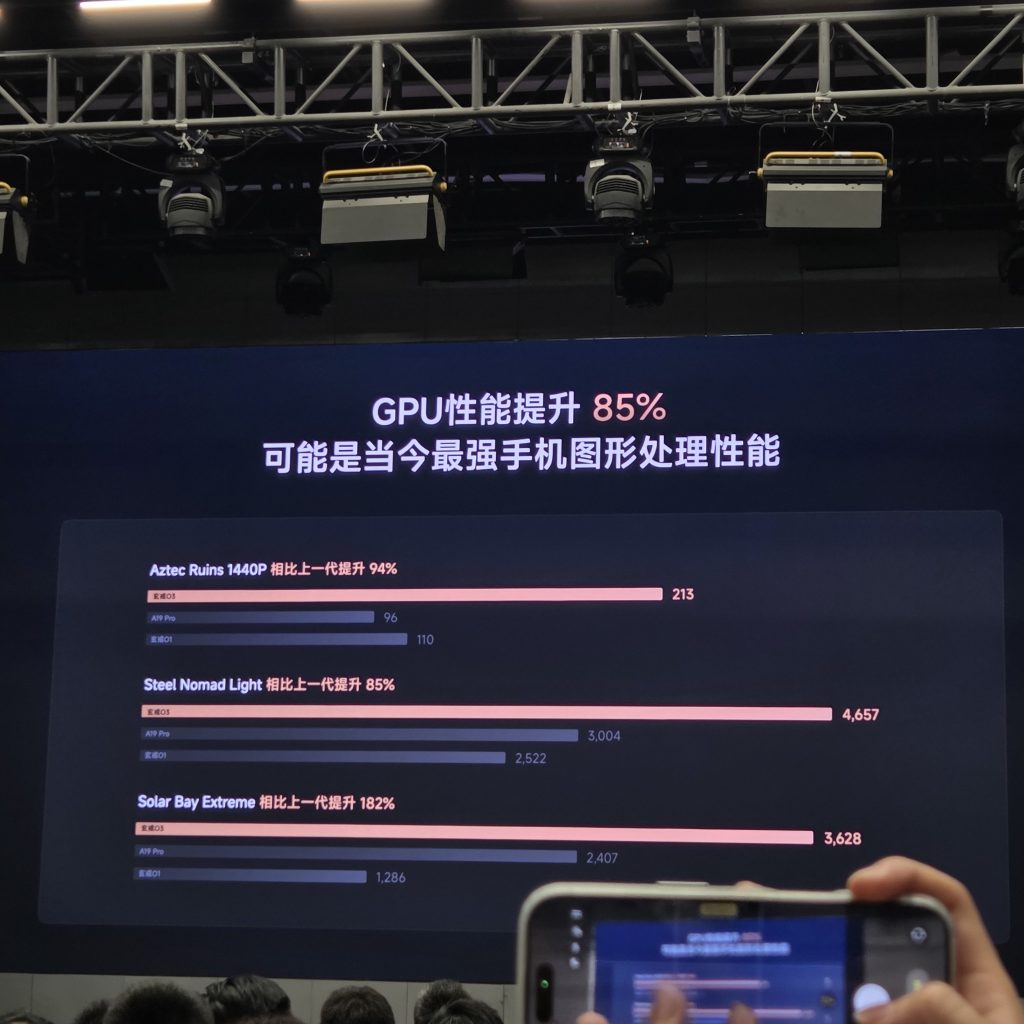
| GPU performance gain | +85% |
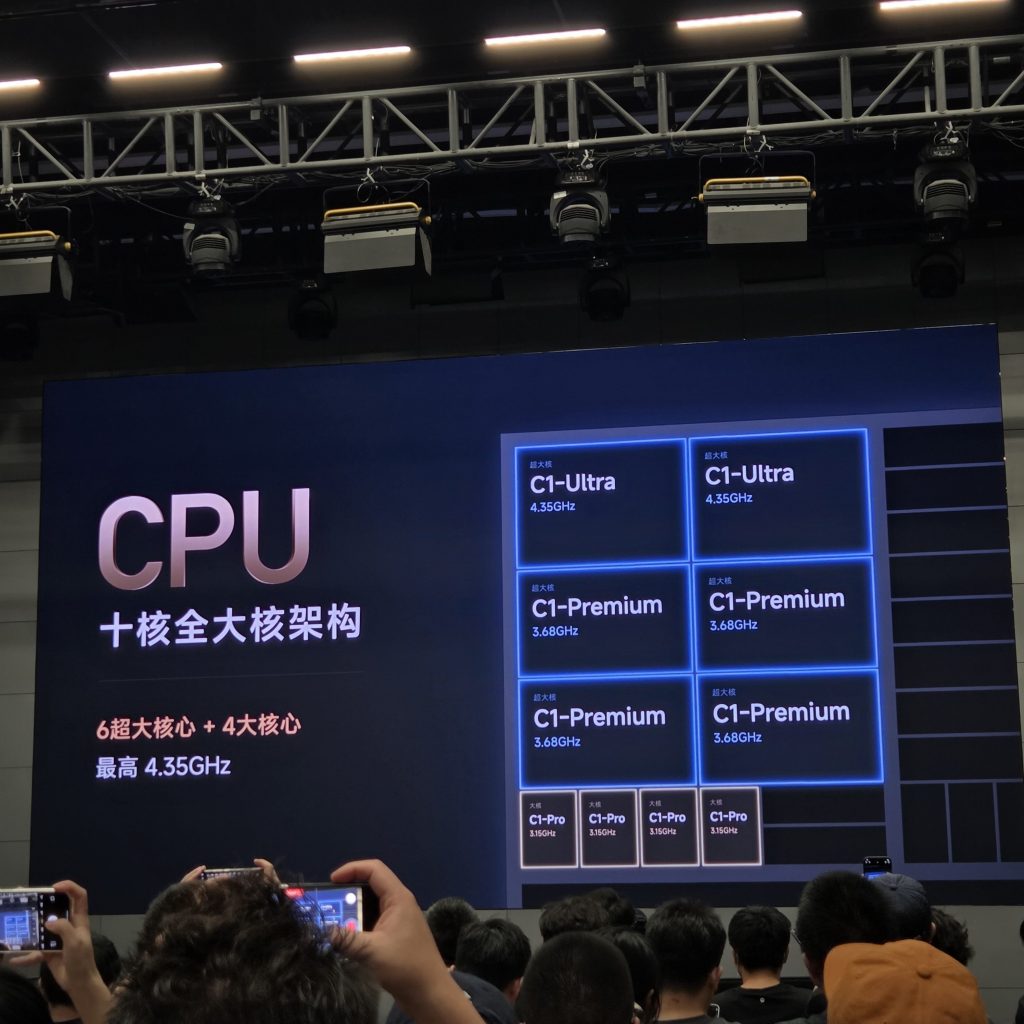
| CPU configuration | 6 large cores + 4 additional cores (10 total) |
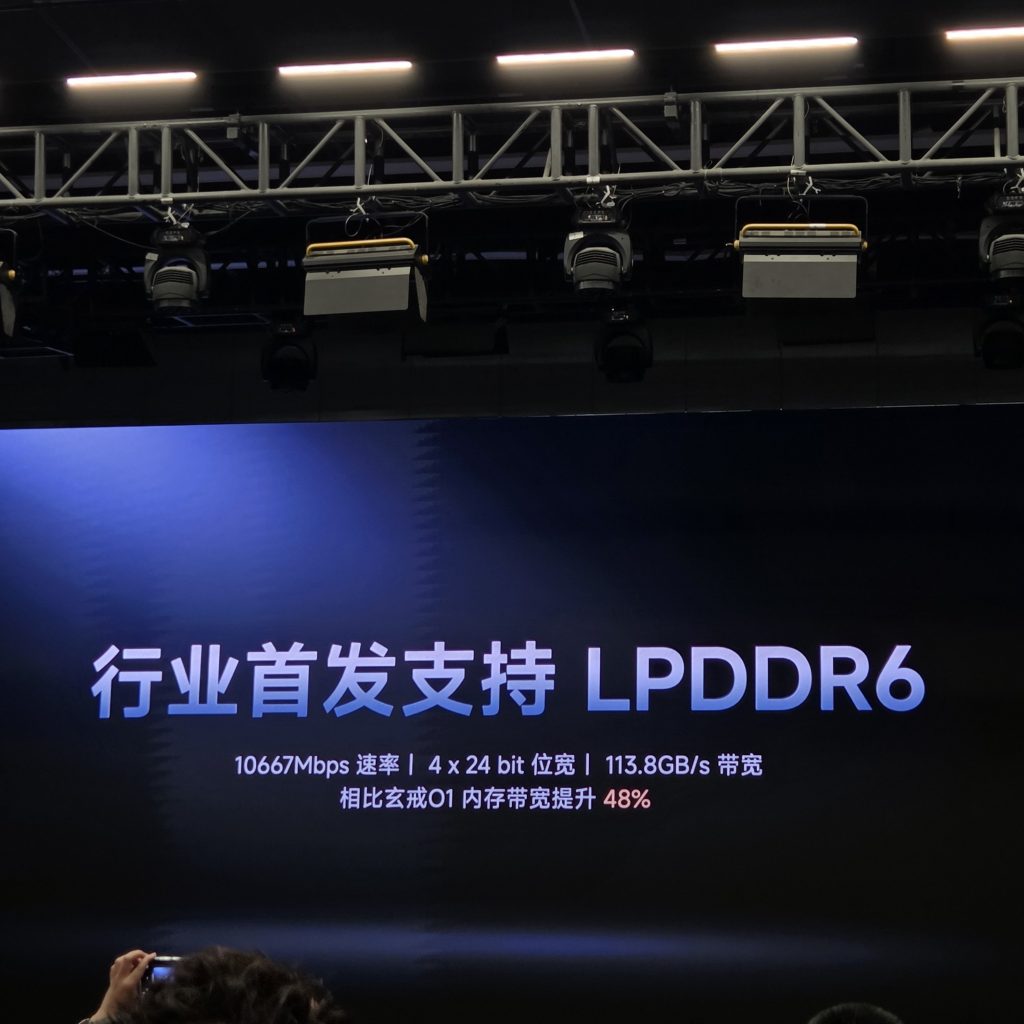
| Memory support | LPDDR6 (industry first) |
| Fabrication | 3nm process |
For context on how this compares to the competition, our chipset and processor coverage has been tracking flagship silicon benchmarks throughout the year.
A Massive GPU Leap
The 85% GPU improvement is arguably the headline figure here. Xiaomi’s earlier Xring O1 was already a competent performer, but its graphics side was widely seen as its weaker link compared to rivals like Qualcomm’s Adreno and ARM’s newer Immortalis GPUs. An 85% jump would meaningfully close — or potentially erase — that gap, putting the Xring O3 in serious contention for sustained gaming performance rather than just benchmark bragging rights.
First Chip With LPDDR6 Support
Just as significant is the Xring O3 becoming the first mobile chipset to support LPDDR6 memory, ahead of Qualcomm, MediaTek, and Apple’s next-generation silicon. Faster memory standards typically translate into quicker app switching, better multitasking under heavy loads, and improved sustained performance — areas where memory bandwidth often becomes the bottleneck once CPU and GPU power are already strong. You can track official memory standard specifications through JEDEC’s LPDDR documentation for more on what LPDDR6 enables over its predecessor.
The 10-Core Layout
Rather than following a simpler big-little core split, the Xring O3 reportedly uses a six ultra-large-core plus four additional-core configuration — a heavier-weighted CPU cluster aimed at squeezing out more sustained multi-core performance than a typical 2+6 or 1+3+4 layout found on most flagship chips today.
Why This Matters
If these figures hold up under independent testing, the Xring O3 would represent one of the most significant leaps Xiaomi’s chip division has made since debuting its first in-house silicon. It also signals Xiaomi is serious about competing directly with Qualcomm and MediaTek on raw performance, not just cost or software integration. Keep following our Xiaomi and chipset news section as independent benchmarks and device launches confirm these figures.