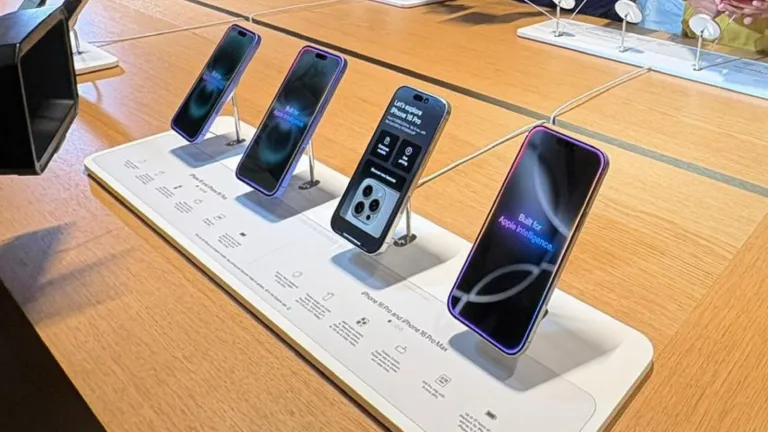
On October 18, 2026, the World Bank signaled a major shift toward offline artificial intelligence in developing nations. The strategy aims to bypass unreliable internet infrastructure entirely by running machine learning models directly on budget smartphones, potentially accele
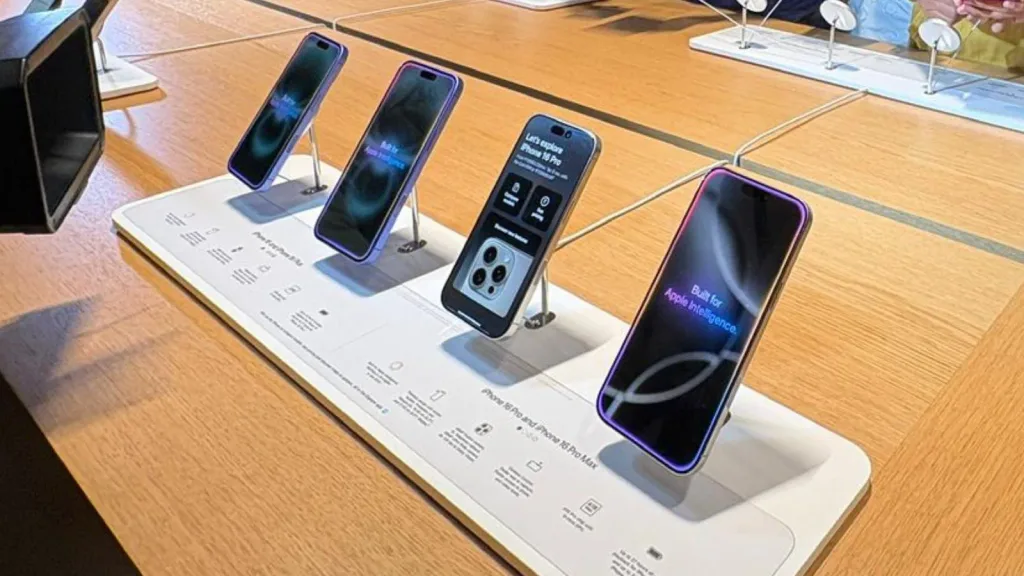
How small AI phones address connectivity challenges
Paschal Donohoe, the bank’s chief knowledge officer, set out the strategy during meetings in Bangkok, according to industry reports. He said artificial intelligence can drive rapid development only when it meets local needs and works within existing constraints. Traditional cloud-based systems require reliable internet connections, which rural areas often lack. That leaves millions of users without access.
Small AI phones process data locally, so they can keep working even when network access is intermittent. They use specialized models trained on narrower datasets for specific tasks, cutting their reliance on bandwidth. Local processing also puts more computational strain on the user’s battery, potentially reducing screen-on time compared with standard smartphones. The idea echoes the efficiency of budget-focused gear like the OnePlus 67W Bank, which pairs optimized performance with practical everyday use for people who can’t count on constant charging or high-speed data plans.
Real-world applications and infrastructure requirements
Donohoe cited India’s AgriConnect scheme as a leading example of the approach. Farmers need soil analysis in their native tongues, but human experts can’t provide that service individually across millions of small holdings. Models trained on focused datasets can offer instant guidance without costly translation services or constant calls to a server. These tools can speed up agricultural decisions and potentially compress centuries of developmental progress into mere decades.
Donohoe said growth once thought impossible within a single generation might now happen much faster. But scaling these initiatives takes substantial upfront investment, and smaller governments may not have the fiscal capacity to subsidize devices for vulnerable populations. International Monetary Fund (IMF) chief Kristalina Georgieva, meanwhile, stressed that governments must prioritize power grids, digital infrastructure, and cybersecurity before widespread adoption. She argued that securing these basics could make adoption as democratic as the cellphone itself. Tech partners working to scale such solutions, including firms tracking regional market trends like Persistent Reports FY27, see growing opportunities to build localized software stacks that respect infrastructure limits.
hardware-expectations-and-market-availability”>Hardware expectations and market availability
As of October 18, 2026, the World Bank-backed regional budget smartphones still had no announced processor specifications. Hardware manufacturers also hadn’t officially shared standard RAM or storage configurations for these budget AI devices. Buyers remain unsure of the final cost, since confirmed prices for the targeted low-cost AI handsets haven’t been released. Initial reports also left out display and battery specifications.
The World Bank hasn’t scheduled launch dates, so production timelines remain fluid. Industry observers suggest these devices will reportedly favor energy efficiency over raw processing power, helping them last longer in off-grid scenarios. Data privacy poses a key concern: storing sensitive information on personal devices calls for strict encryption standards, which many budget original equipment manufacturers (OEMs) struggle to implement securely. Early models may have to balance camera quality against AI capabilities, as memory bandwidth becomes a critical constraint for local inference.
Future outlook for small AI phones
Small AI phones could make intelligence more accessible, provided governments close basic infrastructure gaps. Governments and private companies need to work together to keep devices affordable and compatible with local languages. With reliable power and secure networks in place, these tools could become as common as the basic cellphone itself.
The World Bank’s endorsement points to a shift toward practical, locally adapted technology instead of generic global solutions. Developers should build lightweight models that work offline so innovation can reach even the most remote parts of the developing world. Success will hinge on balancing cost, durability, and usefulness for daily needs like farming or healthcare diagnostics. Source: The Next Web
FAQs
What role does the World Bank play in the development of small AI phones?
The World Bank endorses small AI phone development as a way to boost economic growth in developing nations. Its support highlights the value of localized AI models that work offline, especially for reaching remote areas and bridging the digital divide.
How can governments and private companies collaborate to enhance small AI phone accessibility?
Governments and private companies need to work together to make small AI phones affordable and compatible with local languages. By securing reliable power and secure networks, they can support widespread adoption and make these devices as common in daily life as basic cellphones.
What are the primary technical limitations of current budget AI-capable smartphones?
Current budget AI devices face major constraints, including unconfirmed processor speeds, limited RAM, and restricted storage. Running machine learning models locally also puts heavy strain on batteries. On top of that, devices need strict encryption standards that many manufacturers struggle to implement securely.
Was this article helpful?
Your feedback directly improves future articles on this site.