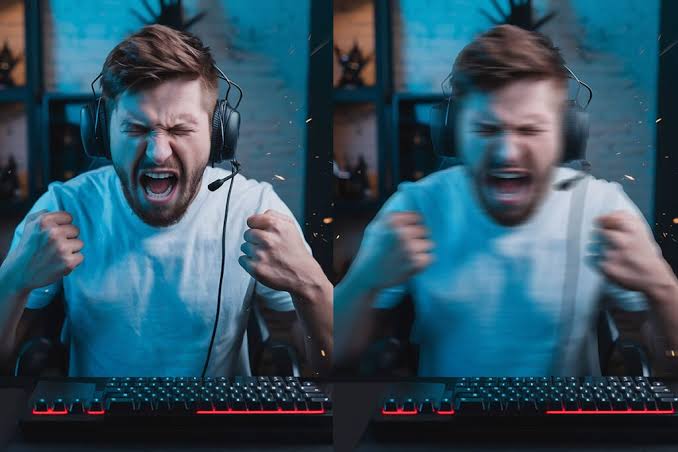
Anyone who’s played a ranked match has seen it — a sudden explosion of frustration over “just a game.” Shouting, controller-throwing, furious typing at teammates. It looks irrational from the outside, but gamer rage is a well-documented psychological response, not a character flaw.
Games Are Built to Hook Your Emotions
Competitive games run on tight feedback loops and close, skill-based outcomes that feel personally earned — or personally failed. Lose a match you felt you “should” have won, especially because of a teammate’s mistake or a last-second reversal, and your brain reacts like it’s processing a real personal setback, not a casual pastime.
Loss Aversion Makes Losses Sting Harder
Humans are wired to feel the pain of losing something more sharply than the pleasure of gaining it — a well-established bias called loss aversion. Blowing a lead late in a match, or dropping rank after a defeat, taps directly into this bias: losing progress you already had hurts more than earning it felt good.
Anonymity Removes the Social Brakes
Online, teammates and opponents are usually strangers. Without face-to-face consequences, players often vent frustration far more freely than they would in person — a documented phenomenon known as the online disinhibition effect, first studied by psychologist Dr. John Suler.
The Body Reacts Like It’s a Real Fight
Fast-paced games spike heart rate and adrenaline much like physical competition. Tunnel vision, tense muscles, a racing pulse — this physiological arousal makes it genuinely harder to stay calm in the moment.
Quick Reference
| Trigger | Why It Happens |
|---|---|
| Game design | Tight feedback loops, skill-based outcomes |
| Loss aversion | Losing feels worse than winning feels good |
| Online anonymity | Fewer social consequences for outbursts |
| Physical arousal | Adrenaline impairs emotional regulation |
What Actually Helps
- Take a short break after a loss instead of queuing straight into another match
- Mute toxic teammates instead of engaging
- Notice physical cues (tense jaw, racing heart) as an early pause signal
- Separate in-game outcomes from personal self-worth
The Takeaway
Gamer rage isn’t about being a bad sport — it’s competitive design, loss aversion, anonymity, and physical arousal converging at once. Awareness and a few small habits can go a long way toward managing it.
For more gaming insights and deep dives, check out TechnoSports.