RIY1
 TAA0
 LAZ0
 PAR0
 RCL0
 PAR0
 MEX-W
 ARG-W
 ALV0
 FCA1
 MTL0
 NSH0
 ATM
 DEP
 UAE
 NED
 PAK
 ENG
 IND-W
 ZIM-W
 GMB
 LES
 MOZ
 ZMB
 Inter Milan
 Fiorentina
 Churchill
 Punjab FC
 CHE0
 TOT2
 VAL1
 VIL2
 DOR1
 SGE0
 NAP3
 ROMA3
 NZ-A135/3 (41 ov)
 IND-A113
 SYL
 KHU
 MYMS299/4 (87 ov)
 CHATT
 DHA293/3 (84.1 ov)
 RAJ
 RAN320/5 (80 ov)
 BAR
 NGA
 UGA
 DEN
 PNG
 NAM321/6
 IRE290 (47.3/50 ov, target 322)
 NZ180/5
 IND181/6 (19.5/20 ov, target 181)
 VEN0
 JPN1
 ZAM0
 FRA1
 Athletic
 Getafe
 C Palace
 Newcastle
 Hull
 Brentford
 Liverpool
 Brighton
 Man United
 Bournemouth
 KHO0
 ETT3
 RAC2
 ESP1

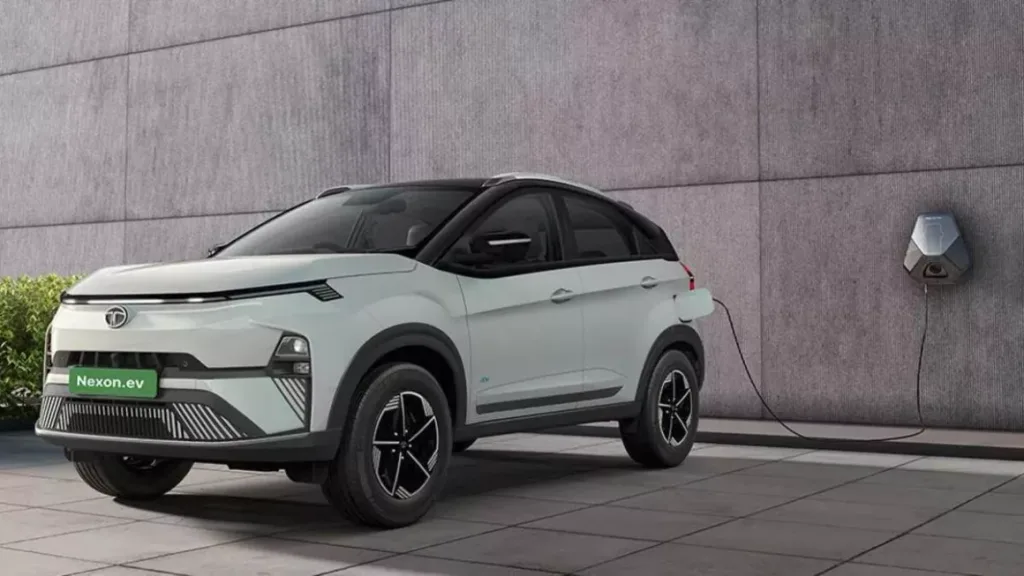
Ever crept out of a parking lot in your EV and heard a soft, futuristic hum — almost like something out of a sci-fi movie? You’re not imagining things, and your car isn’t malfunctioning. That sound is a deliberate safety feature, not a glitch.
EV cars Humming: The Real Reason Behind the Hum
Electric motors are nearly silent below 20 km/h, since there’s no engine roar or exhaust note like in petrol or diesel cars. While that sounds like a win for peaceful streets, it’s actually a serious hazard — pedestrians, cyclists, and especially visually impaired people rely on engine sound to know a vehicle is nearby. To fix this, automakers fit EVs with an Acoustic Vehicle Alerting System (AVAS) — an artificial sound generator required by law in most major markets, including India, the EU, US, UK, and Japan.
| Detail | Information |
|---|---|
| System name | Acoustic Vehicle Alerting System (AVAS) |
| Activation speed | Below 20 km/h (approx.) and while reversing |
| Purpose | Alert pedestrians, cyclists & visually impaired road users |
| Sound type | Hum, whir, or synthetic “spaceship” tone |
| Fades out | Automatically above ~20 km/h, once tyre/wind noise takes over |
| Legal status | Mandatory in India, EU, US, UK, Japan, Australia |
| Can it be switched off? | No — AVAS cannot be disabled by the driver |
Is the Sound the Same in Every EV?
Not quite. Every manufacturer designs its own AVAS tone within legal loudness and frequency limits, so some EVs sound like a gentle whir while others genuinely resemble a spaceship taking off. Carmakers increasingly treat this as a branding opportunity — Porsche, for instance, tunes its AVAS to feel sporty and “emotive,” while others keep it minimal and functional.
So next time your EV hums at a crawl, know it’s working exactly as intended — quietly keeping the road safer for everyone around you.
For more explainers on EV technology and features, check out the auto section on TechnoSports.