NZ113/3 (14.4 ov)
 IND
IND NAM321/6
 IRE208/5 (37.3/50 ov, target 322)
 MEX-W
MEX-W ARG-W
ARG-W ARS
ARS EVE
EVE COV
COV FUL
FUL OFC
OFC NEU
NEU NEOM
NEOM ABH
ABH RAC
RAC ESP
ESP KHO
KHO ETT
ETT NAP
NAP ROMA
ROMA MOZ19
MOZ19 UGA23/0 (0.5/20 ov, target 20)
 Ipswich1
 Nottm Forest1
 Alavés1
 Málaga1
 Torino3
 Monza2
 KENYA
KENYA QAT
QAT SWD-W
SWD-W EPR-W
EPR-W TTN-W
TTN-W WPR-W
WPR-W BOR135/3 (18/20 ov, target 137)
 WAR136/8
 NZ-A135/3 (41 ov)
 IND-A113
 DHA293/3 (84.1 ov)
 RAJ
RAJ MYMS299/4 (87 ov)
 CHATT
CHATT RAN320/5 (80 ov)
 BAR
BAR SYL
SYL KHU
KHU UAE
UAE NED
NED PAK
PAK ENG
ENG IND-W
IND-W ZIM-W
ZIM-W GMB
GMB LES
LES ZMB
ZMB NGA
NGA AFG170/3 (34.3/50 ov, target 170)
 ZIM169
 CHE
CHE TOT
TOT Brest1
 Nice2
Nice2 Stuttgart2
 Gladbach3
 Al Ahli4
 Al Khaleej1
Bought an EV expecting it to hold value like your old petrol car? You’re not alone in being surprised. Why do EV cars depreciate so fast is one of the most-searched questions among used-car shoppers right now — and the answer isn’t just one thing, it’s a mix of battery anxiety, rapid tech upgrades, and shifting incentives.
EV Cars Don’t Lie
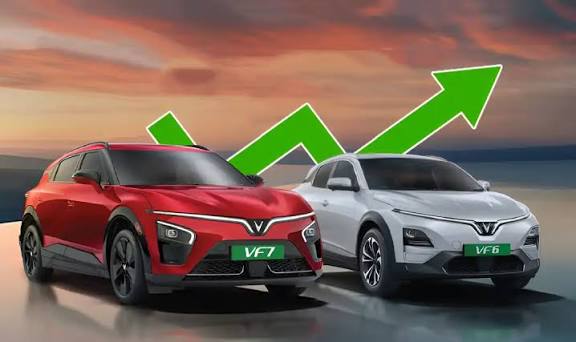
Recent data shows used EV prices have fallen far quicker than their gas counterparts. While a typical gas car loses roughly 10–15% of its value annually, several EV models have dropped by as much as 30–50% within just a year of ownership.
| Factor | Why It Hurts Resale Value |
|---|---|
| Battery degradation fears | Buyers worry about reduced range over time |
| Rapid tech advancement | New EVs offer better range/charging yearly, ageing older models fast |
| Federal/state incentives | Lower new-EV prices indirectly drag down used-EV value |
| Lease and fleet returns | Sudden market flooding pushes resale prices down |
| Limited used-EV buyer pool | Fewer buyers confident about long-term battery health |
Why Batteries Are the Real Culprit
Every EV runs on a lithium-ion battery that gradually loses capacity with each charge cycle. A car that once promised 300 miles of range might realistically deliver noticeably less after a few years — and buyers know it. For a deeper technical breakdown of how EV batteries age, the U.S. Department of Energy’s official EV battery guide is a solid, authoritative resource.
The Silver Lining
Not all EVs are losing value equally. High-demand models with strong reputations, like the Tesla Model 3, have held value far better than niche or early-generation EVs. If you’re weighing an EV purchase, it’s worth comparing real-world depreciation trends before you buy — our latest EV buying guides break down which models are actually worth the investment.
Should This Stop You From Buying an EV?
Not necessarily. Lower running costs and tax incentives can offset resale losses over time, especially if you plan to keep the car long-term rather than resell early.
FAQs
1. Do all EVs depreciate faster than gas cars?
2. Does battery health affect an EV’s resale value?
Yes, significantly. Buyers are cautious about reduced range from battery degradation, which directly lowers resale prices.