BAN88/3 (40 ov)
 WI356
 AFG113/1 (35 ov)
 ZIM504
 FC Goa1
 BFC1
 SHL1
 CHA1
 HSV
 BMG
 VEN
 UDI
 TOU
 STR
 EVE
 COV
 SEV
 ALA
 NZ
 IND
 Inter Kashi
 SC Delhi
 Leeds
 Spurs
 AZ Alkmaar1
 Juventus2
 Leverkusen0
 Marseille1
 Benfica3
 Lech Poznan1
 Celta Vigo1
 Union SG2
 MOUNT198
 ROCKS199/5 (46.1/50 ov, target 199)
 TUSK226/2 (45/50 ov, target 245)
 RHINO244
 CHR151/6
 POA121 (19/20 ov, target 152)
 RWA-W
 USA-W
 ZIM-A240/6 (72.4 ov)
 IRE-A424
 WI-A
 LIONS
 MR-W
 AS-W
 BH-W
 HH-W
 SS-W
 ST-W
 EASTN
 DOLPH
 NAM-W
 DOL-W
 LIO-W
 MS-W159/7 (20 ov, target 161)
 PS-W183/3
 KAY137/7 (20 ov, target 177)
 SPR176/6
 UGA-W74/6 (19.3/20 ov, target 74)
 WAR138/7 (20 ov)
 BOL138/5
 Málaga
 Racing
 Celtic3
 Besiktas2
 Hapoel Be'er0
 OFI Crete2
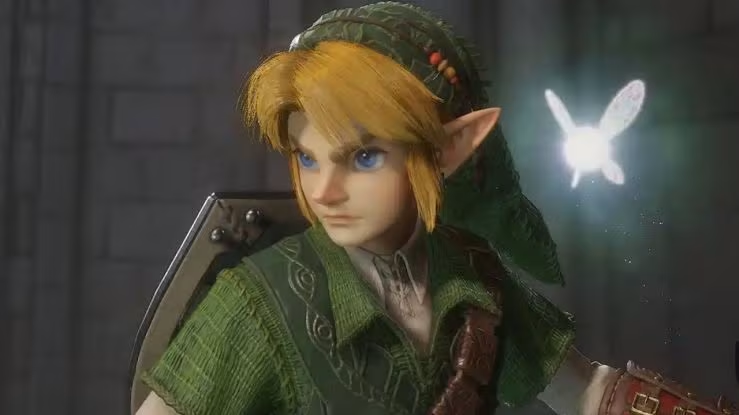
The White House reportedly posted an image of Link from The Legend of Zelda on social media Friday, November 6, 2026. The reaction reportedly came faster than a Guardian’s laser. The Legend of Zelda is Nintendo’s flagship action-adventure franchise, and its hero isn’t a public-domain mascot. Neither side has confirmed the post; details come from screenshots now circulating online.

The Problem: A Hyrule Hero in a Government Feed
The issue isn’t that a politician likes video games. If the screenshots are authentic, an official account used Nintendo’s most recognisable silhouette in a message with no publicly visible licensing trail. The screenshots reportedly spread within hours, and replies split into two camps: some saw harmless pop-culture shorthand, while others read it as an implied endorsement Nintendo never gave.
Here’s the thing: Nintendo guards Link more closely than almost any character in the medium. The company has historically pursued fan projects that borrow its assets, a pattern our reporting on the team behind the fan-project lawsuit has followed closely. If a modding crew gets a legal letter, an official government account using the same character raises an obvious question: was permission granted?
Root Cause: AI Tools Made the Mash-Up Cheap
Then there’s the AI angle. The image is AI-generated, which could explain the slightly wrong proportions fans picked apart within minutes. Generative tools have brought the cost of creating a recognisable character down to roughly nothing, but accountability hasn’t caught up.
Worth noting: Nintendo has already made public statements about how its art is handled. Its official comments on the Zelda remake art style showed the company was willing to address visual criticism directly. This time, though, the criticism targets an institution, not a studio.
Solution One: A Public Correction and Takedown
The clearest fix follows the logic of Nintendo’s own legal playbook: remove the post, publish a short note saying no endorsement existed, and move on. Timing is the drawback. Deleting the post can look like an admission, and in a news cycle measured in hours, the screenshot will outlast the correction.
Solution Two: A Licensing Conversation Behind Closed Doors
Another route is a private agreement between the two parties, with no public statement. That could protect both brands, though legal fees remain uncertain. The trade-off is transparency: fans who flagged the post get no answer, and the precedent becomes “ask forgiveness, negotiate later.”
Solution Three: Nintendo Sets a Public AI Policy
Nintendo’s most lasting option would be to publish explicit rules for how its characters may appear in AI-generated content, whether commercial or not. That could settle dozens of future disputes at once. But the costs are real: a strict policy invites accusations of overreach, while a loose one risks more of the same.
| Option | Speed | Brand risk | Precedent set |
|---|---|---|---|
| Takedown and correction | Potentially hours | Low | Weak |
| Private licensing deal | Potentially weeks | Low | Ambiguous |
| Public AI policy | Potentially months | Medium | Strong |
What Happens Next for the White House and Nintendo
Keep an eye on Nintendo’s response, not the post itself. If the company hasn’t issued a statement, that silence doesn’t necessarily mean anything; it may speak if it plans to enforce its rights.
If a takedown request surfaces in the coming days, this becomes a licensing story. If nothing happens, the episode could serve as a template for future disputes over AI-generated character use. title: “White House Faces Backlash Over Zelda AI Social Media Post”
Implications for AI Content Creation
The debate’s implications reach beyond this incident. As AI and intellectual property rights increasingly intersect, they raise critical questions about ownership, creativity, and ethical usage. Stakeholders across industries are watching to see how the situation might shape their own content strategies.
The outcome could also lead other companies to reconsider their AI-generated content policies. That may open a broader discussion about creators’ responsibilities in the digital age.
FAQs
What are the potential solutions for the White House regarding the Zelda AI-generated post?
The article lays out three possible solutions for the White House. First, it could remove the post and issue a correction, a quick move that might look like an admission of wrongdoing.
Second, the parties could hold a private licensing conversation and negotiate away from public scrutiny. Finally, Nintendo could set a public AI policy to clarify future content use, though critics might object to how strict it is.
How might Nintendo’s response affect future AI-generated content involving its characters?
Nintendo’s response could set an important precedent for future AI-generated content. A public AI policy could clarify how creators may use its characters and potentially reduce disputes. If the company stays silent or reaches a private resolution, however, the rules may remain unclear, leaving room for similar incidents.
Have the White House or Nintendo confirmed the post?
No. The article says neither the White House nor Nintendo has confirmed the circulating screenshots.
Read Next
- Pikmin 4: Switch 2 Edition Overview Trailer Showcases More Dandori Academy Exams
- GTA 6 Vice City Takeover: Miami’s E11EVEN Becomes NINE1NINE For A Month
- Three Games Available Today With Xbox Game Pass: What Is Confirmed
Was this article helpful?
Your feedback directly improves future articles on this site.