

White House AI policy is facing a major leadership gap after David Sacks stepped down as the administration’s chief AI and crypto advisor. His resignation is reshaping how the federal government handles emerging technology strategy, and it’s left several key initiatives in a holding pattern just as momentum builds around AI regulation and digital asset oversight.
Here’s What Happened
David Sacks, who’d been serving as the White House’s AI and crypto czar since early 2025, announced his departure on March 24, 2026. According to The Verge, there wasn’t a formal public statement, but people close to the administration pointed to internal disagreements over regulatory direction. Sacks had backed a lighter touch on crypto regulation while pushing for faster AI innovation timelines—a position that increasingly put him at odds with more cautious voices in the administration.
The timing’s problematic. White House AI initiatives around emerging AI governance frameworks are now without executive-level support. Nobody’s been named as his replacement, and several key policy proposals are still waiting to be signed.
Why This Matters
The White House AI portfolio controls federal funding, research priorities, and regulatory guidance that affects billions in tech investment. Sacks’s departure removes someone who could actually push decisions forward just as Congress is debating AI safety standards and cryptocurrency frameworks. People watching the industry say crypto regulation—a major part of his job—is now completely up in the air.
The leadership gap stings because White House AI policy shapes how agencies like the SEC and CFTC handle digital assets. Without someone steering the ship, enforcement gets spotty. Tech companies working in regulated spaces are now dealing with real uncertainty about what compliance actually looks like.
What Happens Now
The administration’s got pressure to fill this role quickly. The next person will probably be a former tech executive with policy background, but the White House hasn’t said when they’ll make a move. In the meantime, AI executive orders and crypto regulatory proposals are sitting unsigned—potentially pushing action back weeks or even months.
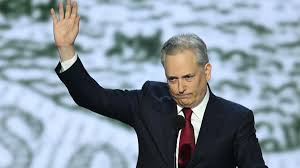
Industry watchers are bracing for temporary chaos. Companies that rely on crypto trading infrastructure and AI deployment guidance will have to navigate without clear federal direction. Congress might speed up its own AI oversight legislation to fill the gap.
People Also Ask
Q: Who was David Sacks?
A venture capitalist and former PayPal executive who came into the administration to shape AI and cryptocurrency policy with a pro-innovation angle.
Q: What happens to pending White House AI regulations?
They’re stuck unsigned and delayed until someone new takes over and reviews the policy direction.
Q: How does this affect crypto companies?
It increases regulatory uncertainty. Companies can’t count on clear federal guidance for compliance until new leadership clarifies what the policy actually is.
Q: When will a replacement be named?
The White House hasn’t announced a timeline. People in the industry are expecting an announcement sometime in the next 2-4 weeks.




