MEX-W
MEX-W ARG-W
ARG-W CLB4
CLB4 TOR1
TOR1 GVFC0
GVFC0 FCP1
FCP1 Mirassol1
 São Paulo1
 Vitória1
 Athletico-PR1
 Vasco0
 Corinthians0
 UAE
UAE NED
NED PAK
PAK ENG
ENG IND-W
IND-W ZIM-W
ZIM-W GMB
GMB LES
LES MOZ
MOZ ZMB
ZMB Inter Milan
 Fiorentina
 Churchill
 Punjab FC
 NGA
NGA UGA
UGA ATM1
ATM1 DEP0
DEP0 LAZ2
LAZ2 PAR1
PAR1 RCL2
RCL2 PAR1
PAR1 RIY2
RIY2 TAA1
TAA1 NZ-A135/3 (41 ov)
 IND-A113
 SYL
SYL KHU
KHU MYMS299/4 (87 ov)
 CHATT
CHATT DHA293/3 (84.1 ov)
 RAJ
RAJ RAN320/5 (80 ov)
 BAR
BAR DEN
DEN PNG
PNG NAM321/6
 IRE290 (47.3/50 ov, target 322)
 NZ180/5
 IND181/6 (19.5/20 ov, target 181)
 Athletic
 Getafe
 C Palace
 Newcastle
 Hull
Hull Brentford
 Liverpool
 Brighton
 Man United
 Bournemouth
 Atalanta
 Frosinone
 CHE0
CHE0 TOT2
TOT2 VAL1
VAL1 VIL2
VIL2
The West Bengal government has announced a significant change to its mid-day meal scheme — replacing eggs with soybean and paneer as protein sources for school children. The move has sparked debate among nutritionists, parents, and educators alike.
What’s Changing & Why with West Bengal Government?
The state government cited rising egg prices and the need to accommodate vegetarian students as primary reasons for the shift. The revised menu aims to maintain nutritional standards while being cost-effective and inclusive.
| Parameter | Earlier Menu | New Menu |
|---|---|---|
| Protein Source | Eggs | Soybean & Paneer |
| Reason for Change | Cost & inclusivity | Budget + vegetarian demand |
| Target Beneficiaries | School children (govt. schools) | Same |
| Nutritional Goal | Protein intake | Maintained (claimed) |
| Rollout | Statewide | West Bengal schools |
Is Soybean & Paneer a Fair Nutritional Swap?
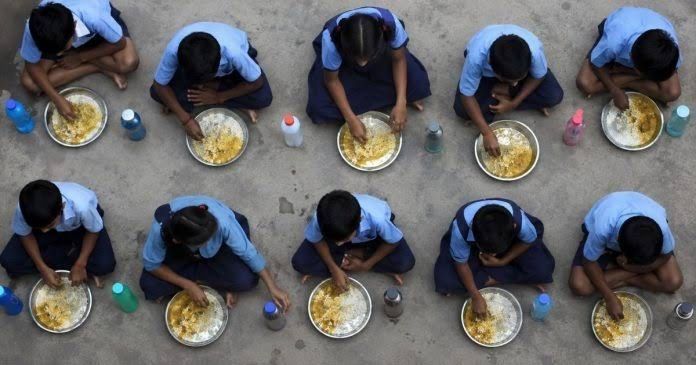
According to Wikipedia’s overview of the Mid-Day Meal Scheme, the programme is designed to improve nutritional intake and school attendance among children, particularly in economically weaker sections.
Nutrition experts point out that while paneer is a good source of calcium and protein, and soybeans offer complete plant protein, eggs remain nutritionally superior in terms of bioavailability, Vitamin D, and B12. The swap could work — but only if portion sizes and cooking quality are strictly monitored.
Community Reactions
- Parents in rural Bengal have raised concerns about whether soybean and paneer will actually reach schools consistently.
- Teachers worry about implementation gaps at the grassroots level.
- Health advocates suggest a rotation model rather than a complete egg ban.
For more on India’s school nutrition developments, check out our coverage on TechnoSports.
FAQs
Q: Why is West Bengal replacing eggs in mid-day meals?
Q: Are soybean and paneer as nutritious as eggs for children?
Both offer good protein, but eggs have higher bioavailability and more micronutrients — making careful portion planning essential for the new menu.