
 SA329 (82.3 ov)
 AUS
AUS BAN
BAN WI
WI IND-W
IND-W ZIM-W
ZIM-W GOA
GOA SC Delhi
 Milan
Milan Bologna
 Parma
Parma Udinese
 Venezia
 Inter Milan
 Genoa
Genoa Juventus
 Monza
Monza Napoli
 UAE
UAE OMA
OMA ROMA4
ROMA4 CAG2
CAG2 TOR1
TOR1 COMO3
COMO3 SAS2
SAS2 LAZ6
LAZ6 AFG177
 ZIM140 (19.1/20 ov, target 178)
 AUCK
AUCK CANT
CANT CD
CD ND
ND SIKM184
 NAGA187 & 58/4 (42.2 ov)
 JHK131/4 (47 ov)
 DELHI515/5d
 ODSA194
 SVCS13/0 (5 ov)
 BRODA616
 J & K6/0 (4 ov)
 CHD685/5d
 HP49/0 (14 ov)
 CGR216/8 (95 ov)
 AP231
AP231 HYD193/2 (54 ov)
 PNJB431
 KNTKA297/7 (95 ov)
 TPURA194
 ENG
ENG SL
SL DEN
DEN QAT
QAT KENYA
KENYA KUW
KUW POA
POA SPR
SPR BRB
BRB VAG
VAG PAK110
 NAM316/7
 IRE253 (44.5/50 ov, target 317)
 NZ198/3
 IND199/4 (13.2/20 ov, target 199)
 NED371/5
 JAB113 (19.3/20 ov, target 133)
 KAY132/9
 Al Khaleej
 Al Hazem
 Gamba Osaka
 Buriram
 ABH0
ABH0 ALF1
ALF1 Sevilla2
 Osasuna0
 PSG2
PSG2 Lyon0
Lyon0
Waymo’s safety record has become crucial for autonomous vehicle makers, but here’s what happened: a California school district tried to train Waymo’s self-driving cars to recognize and stop for school buses. It didn’t work. The project was meant to help autonomous vehicles interact better with one of the road’s most vulnerable users. Instead, it exposed a real problem—AI systems struggle to learn specific safety rules from real-world examples.
What Happened: The Failed Training Initiative
The school district handed Waymo real-world footage and data from school buses in their area. The mission was simple enough: get Waymo’s AI to spot school bus stop signals and respond by stopping when buses flashed their red lights and deployed their stop arms. That’s not what happened.
The training data didn’t translate into actual behavior changes. According to Wired, Waymo’s system couldn’t properly integrate this specific safety protocol into its larger decision-making process. The autonomous vehicles kept driving normally, completely missing the behavioral shift everyone expected. This raised a troubling question: how do AI systems actually absorb localized safety requirements?
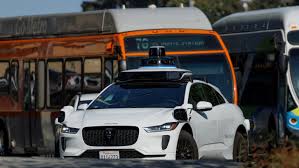
Why Waymo Safety Matters for Schools
School buses are a different beast. They carry kids, follow predictable routes, and need other vehicles to respond in obvious ways. If Waymo could improve its safety around school zones, it’d prevent accidents and make people trust autonomous vehicles more. But here’s the thing: the failure exposed something uncomfortable.
Waymo’s got millions of miles under its belt and regulatory approval in several states. Yet teaching the system to handle one specific, critical scenario turned out to be surprisingly hard. There’s a real gap between general autonomous driving and handling specialized safety situations. Both developers and policymakers need to fix this now.
The Technical Breakdown
The real problem comes down to edge cases. Machine learning models handle highway driving and city navigation well. But adding school bus protocols meant retraining or tweaking existing models. The district’s data alone wasn’t enough—the system needed to fit with Waymo’s safety systems already built into the vehicle’s decision-making.
Worth noting: concerns about AI limitations keep showing up in autonomous vehicle work, and this situation shows exactly why you can’t just add specialized safety features to existing systems. Researchers have flagged AI system limitations repeatedly, and this incident proves their point.
Industry Response and Next Steps
Waymo’s acknowledged the problem and says it’ll fix school bus recognition in future updates. The company plans to work directly with transportation agencies instead of just taking external training data. That’s a meaningful shift toward actual safety claims rather than marketing talk.
Regulatory bodies will probably tighten requirements for autonomous vehicles near schools over the next 12-18 months. Count on it.
People Also Ask
Q: Does Waymo currently stop for school buses?
Waymo’s newer systems recognize school buses better, but the training failure showed real gaps still exist in how consistently they respond.
Q: Why is Waymo safety around schools so difficult to achieve?
School bus interactions aren’t straightforward. Flashing lights, moving stop arms, and unpredictable kids create dynamic situations that need specialized training data and careful model work.
Q: Will this delay Waymo’s expansion into new cities?It could. Regulators might now demand proof of school zone safety before they let autonomous vehicles operate in residential neighborhoods.
Q: What’s the timeline for fixes?
Waymo hasn’t given specific dates, but industry experts predict improvements by late 2026 or early 2027.


