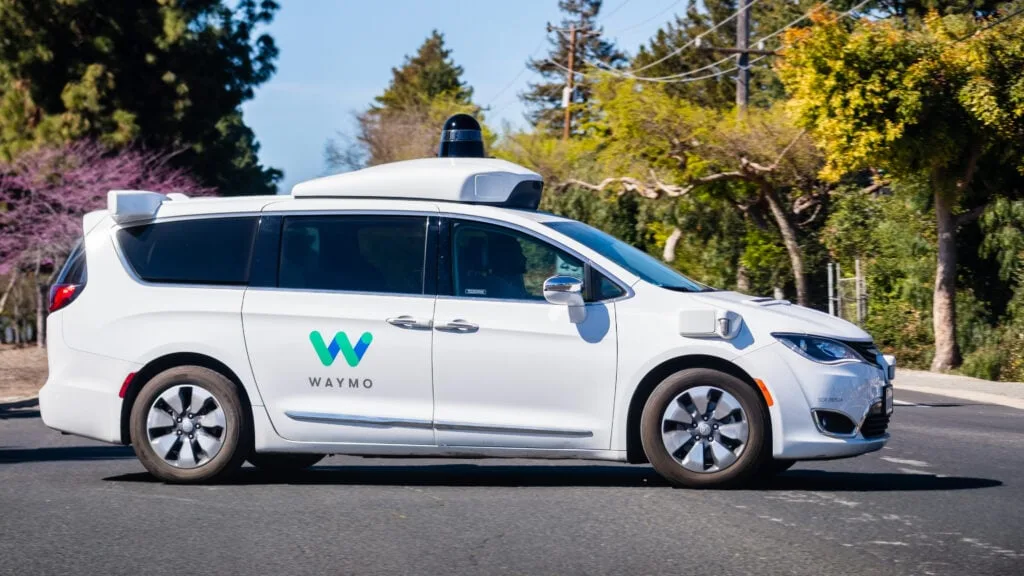
Waymo has started to mass-produce its 6th-generation autonomous vehicles at a Zeekr factory in Hangzhou, China. This marks a big strategic shift for the Alphabet subsidiary.
This partnership with Geely, the parent company of Volvo, aims to scale Waymo’s operations beyond the 150,000 paid rides per week currently happening in San Francisco, Phoenix, and Los Angeles. However, it also puts the company in the spotlight of intense geopolitical scrutiny.
As of May 2026, Waymo hasn’t confirmed the official U.S. launch timeline or total production volume targets for the Ojai. This uncertainty creates a tense situation as the company tries to stay ahead of domestic competitors like Tesla, which launched its robotaxi service in Austin, Texas, back in June 2025.
Understanding the Ojai Strategy and Geopolitical Risks
Transitioning from the Jaguar I-PACE platform, which Waymo used for its 5th-generation fleet, to the purpose-built Ojai aims to optimize costs and cabin space for commercial ride-hailing. By tapping into Zeekr’s manufacturing capabilities, Waymo benefits from a mature electric vehicle supply chain that could speed up the deployment of its driverless fleet.
On the flip side, assembling these vehicles in China brings significant regulatory pressure. Following the U.S. CHIPS and Science Act passed in 2022, federal officials have been more vigilant about integrating Chinese-manufactured hardware and software into critical domestic infrastructures, such as autonomous transportation networks.
Waymo is banking on the maturity of the Zeekr platform to outpace competitors still grappling with high production costs. Still, the company faces challenges since “Made in China” labels on autonomous sensors and computing modules might lead to protective legislation.
Competitive Landscape and Future Outlook
The U.S. autonomous vehicle race isn’t just about software anymore; it’s turned into a logistical competition for fleet density. Waymo currently holds a first-mover advantage in key urban areas, but Tesla’s robotaxi service in Austin shows the sector is quickly evolving.
While Tesla focuses on scaling its existing passenger vehicle fleet, Waymo’s Ojai stands out as a dedicated, purpose-built machine designed specifically for the challenges of commercial, uncrewed operation, as reported by TechCrunch.
| Feature | Waymo Ojai | Tesla Robotaxi |
|---|---|---|
| Platform | Purpose-built (Zeekr) | Consumer-based (Model Platform) |
| Manufacturing | Hangzhou, China | United States |
| Operational Status | Commercial (San Francisco, Phoenix, Los Angeles) | Commercial (Austin) |
Everyone’s keeping a close eye on whether Waymo can import the Ojai to the U.S. without major delays from customs or regulatory agencies. If the company pulls off a smooth rollout, it could significantly lower the cost-per-mile for passengers, putting more distance between itself and smaller startups, as noted by The Verge.
On the other hand, if the geopolitical situation forces a redesign or alters the supply chain, delays could open the door for Tesla and other domestic players to grab more market share. The next six months will likely be crucial for the Ojai’s success in the North American market.
FAQs
When will the Waymo Ojai be available in the U.S.?
As of May 2026, Waymo hasn’t announced an official launch date for the Ojai platform in U.S. markets.
Why is Waymo partnering with Zeekr for the Ojai?
This partnership helps Waymo take advantage of Zeekr’s advanced electric vehicle manufacturing capabilities, allowing for more efficient production compared to the previous Jaguar I-PACE platform.
What are the main risks of manufacturing the Ojai in China?
The key risks include potential regulatory scrutiny and legislative challenges tied to the U.S. CHIPS and Science Act, which focuses on monitoring Chinese-made components in autonomous systems.
Does the Chinese manufacturing of the Ojai robotaxi create regulatory hurdles for Waymo?
Yes, relying on Zeekr for the Ojai’s production may expose Waymo to increased scrutiny from U.S. regulators regarding data security and supply chain transparency. As the government tightens restrictions on foreign-made automotive technology, Waymo will have to navigate potential tariffs and federal investigations into connected vehicle software coming from China.
How does the Ojai robotaxi production strategy impact the competitive landscape for other U.S. autonomous vehicle companies?
By choosing Chinese manufacturing, Waymo can achieve significant cost savings and faster scaling compared to domestic competitors that use pricier, localized assembly lines. While this gives Waymo a clear economic edge, domestic rivals might leverage “Made in the USA” branding and federal subsidies to gain favor with policymakers and consumers concerned about national security.