NAM321/6 (50 ov)
 IRE
 RAY
 ELC
 GMB
 ZMB
 NGA
 LES
 CAG
 BOL
 COMO
 SAS
 FCA
 FCU
 KOE
 S04
 M05
 SVW
 MOZ19
 UGA23/0 (0.5/20 ov, target 20)
 NZ180/5
 IND181/6 (19.5/20 ov, target 181)
 Ipswich1
 Nottm Forest1
 Alavés1
 Málaga1
 WA105/3 (18.5/50 ov, target 372)
 NSW371/8
 DEN
 KUW
 KENYA
 QAT
 SWD-W
 EPR-W
 TTN-W
 WPR-W
 BOR
 WAR15/1 (2.5/20 ov)
 LIONS
 Limpo21/1 (2.5/20 ov)
 NZ-A135/3 (41 ov)
 IND-A113
 DHA293/3 (84.1 ov)
 RAJ
 MYMS
 CHATT
 RAN320/5 (80 ov)
 BAR
 MEX-W
 ARG-W
 UAE
 NED
 PAK
 ENG
 IND-W
 ZIM-W
 AFG170/3 (34.3/50 ov, target 170)
 ZIM169
 RBL
 ELV
 SCP
 HSV
 Torino3
 Monza2
 Brest1
 Nice2
 Stuttgart2
 Gladbach3
 Al Ahli4
 Al Khaleej1

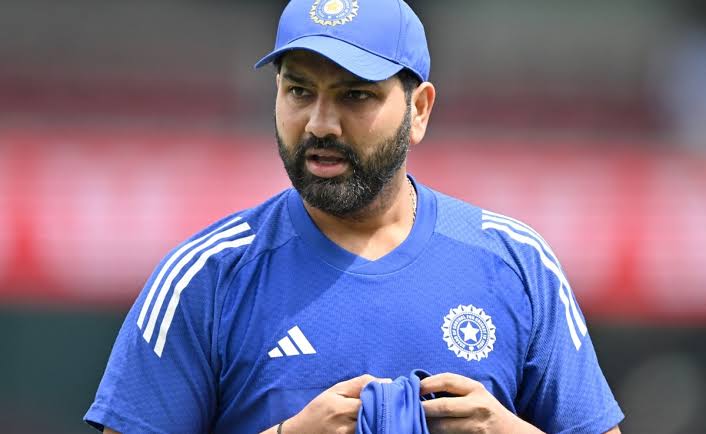
Waugh Rohit is the new flashpoint in Indian cricket’s long-term ODI planning. Steve Waugh, the former Australia captain, publicly questioned Rohit Sharma’s commitment to the 2027 ODI World Cup on August 28, 2026, framing the entire debate around one uncomfortable number: 100%.
That is the level of preparation Waugh said the Indian captain must hit, or the tournament, expected to be co-hosted by South Africa, Zimbabwe, and Namibia, will pass him by.
The 100% Mandate From Waugh
Waugh’s comments, reported on August 28, 2026, cut straight to the point.
He said only Rohit Sharma can answer whether he is training hard and making the sacrifices needed to reach the 2027 ODI World Cup, and he warned that the Indian batter will not make the tournament if his preparation and commitment fall short of “100%.” The phrasing matters.
Waugh, a man who dragged his body through five Ashes tours, does not traffic in soft suggestions. When he sets the bar at 100%, he is borrowing from the same code that carried Australian cricket through two decades of away Test wins: the team beats the individual, every time.
In the same media cycle, Waugh also said no player is bigger than the game, and that players cannot put themselves above it, a line that landed firmly on Rohit’s side of the ledger.
The timing of the comments, with a CricTracker-related headline on the topic indexed by NewsNow at 06:00 on August 28, 2026, was not accidental.
With ODI World Cup 2027 on the horizon, Waugh’s intervention has forced the question every Indian selector, including chief selector Ajit Agarkar, must now answer on camera.
What Rohit Has Already Cut From His Game
The hardest data point in this story is not what Waugh said. It is what Rohit has already given up. Rohit Sharma has already retired from Tests and T20Is, but he is still playing 50-over cricket with the goal of the 2027 ODI World Cup.
That single decision narrows his career runway sharply. Test retirement removes red-ball match time, weight management cycles, and English-conditions overs that used to anchor his annual calendar.
T20I retirement takes away the league-stage miles, the strike-rate experiments, and the fielding drills that younger India players still log every IPL season. What remains is ODIs, plus the IPL. The IPL window, a six-week sprint of T20 cricket, does not build ODI endurance.
It sharpens power-hitting and reflexes, but it does not teach an ageing opener how to bat through long ODI innings on varied surfaces. That gap is exactly what Waugh is pointing at.
| Format Rohit Quit | Career Implication | World Cup Risk |
|---|---|---|
| Tests | No red-ball conditioning matches | Lower match sharpness vs openers who play both |
| T20Is | Limited T20 game time outside IPL | Rusty against express pace in middle phase |
| ODIs (current) | Sole focus now | Carries entire 2027 plan on one format |
The Selection Dilemma For Agarkar
Waugh’s “no player is bigger than the game” line lands directly on Ajit Agarkar’s desk. For more detail, see BBC Sport.
If the BCCI chief selector is building a 2027 ODI World Cup squad around a player who has trimmed his schedule to one format, the bench has to be deeper, younger, and match-ready on day one.
The coverage that surfaced on August 28 tied the debate to India’s ODI future, suggesting the larger selection conversation is already in motion, even if it is not on the record yet. Rohit himself has not stayed silent.
A viral-video report quoted him saying, “Yes, I want to play” the 2027 ODI World Cup. Words, however, are the cheapest currency in international cricket. Waugh’s framing forces the next question to be about workload proof, not intent.
What “100% Commitment” Actually Looks Like
In Waugh’s Australia era, 100% reportedly meant turning up to grade cricket in the off-season, not skipping pre-tour camps, and batting in the nets on days when the body asked for rest.
Applied to Rohit, that means reportedly visible domestic cricket, full India A stints against red and white ball, and a public training block tailored to South African and Zimbabwean conditions.
The co-hosting arrangement across three countries in 2027 means India will reportedly face varied pitches, altitude at Centurion, sub-continent dryness in Zimbabwe, and Namibian bounce, so a one-format specialist must arrive versatile. If Rohit clears that bar, Waugh’s challenge becomes a footnote.
If he does not, the former Australia captain will have done Indian cricket a quiet service by asking the question in public before the selectors had to.
Related Articles
FAQs
What did Steve Waugh say about Rohit Sharma and the 2027 ODI World Cup?
Waugh questioned Rohit Sharma’s commitment to the 2027 ODI World Cup on August 28, 2026, saying only Rohit can answer if he is training hard enough, and warning that he will miss the tournament if his preparation falls short of 100%.
Has Rohit Sharma retired from other formats?
Rohit Sharma has already retired from Tests and T20Is, but he is still playing 50-over cricket with the goal of the 2027 ODI World Cup.
Where will the 2027 ODI World Cup be held?
The 2027 ODI World Cup is expected to be co-hosted by South Africa, Zimbabwe, and Namibia.
What has Rohit Sharma said about playing the 2027 ODI World Cup?
A viral-video report quoted Rohit saying, “Yes, I want to play” the 2027 ODI World Cup. Rohit’s roadmap to Namibia runs through Waugh’s 100% test, and the clock is already ticking toward the 2027 squad deadline.
Was this article helpful?
Your feedback directly improves future articles on this site.