
Vash Level 2 stands out as one of the more memorable cinematic releases of the summer for many viewers. Released on August 27, the film quickly evolved beyond being viewed as just another sequel, becoming a major topic of discussion among audiences because of its suspense-heavy storytelling and emotionally charged narrative. Much of the conversation centered around the film’s ending, which delivered a dramatic cliffhanger that left fans surprised and eager to see how the story might continue in the future.
A major reason for the film’s strong reception was the performances delivered by its cast. Janki Bodiwala brought emotional vulnerability and intensity to her role, helping several key scenes resonate more deeply with audiences. Hitu Kanodia added strong screen presence and emotional weight, while Hiten Kumar contributed a nuanced and grounded performance that enhanced the film’s dramatic tension.
Together, the cast helped anchor the supernatural and suspense-driven elements of the story in believable human emotion. Rather than relying only on jump scares or conventional horror tropes, the film succeeded because its characters felt layered, emotionally invested, and relatable within the unfolding chaos.
This balance between psychological tension, emotional storytelling, and supernatural mystery played a major role in making the movie memorable for audiences. The strong performances also elevated the overall atmosphere of the film, allowing viewers to connect with the characters on a deeper level while maintaining suspense throughout the narrative.
The combination of strong performances, atmospheric tension, and a suspense-filled narrative allowed the film to resonate with audiences long after the credits rolled, cementing its place as one of the standout genre releases of the season.

What truly elevated the experience was how naturally the performances blended into the suspenseful narrative. The cast’s expressions, timing, and dialogue delivery all worked together to build tension, while their on-screen chemistry added depth. Even the quieter, more subtle moments carried an underlying sense of anticipation, keeping viewers fully engaged.
The storytelling also maintained a strong sense of unpredictability throughout. Each scene struck a careful balance between emotional depth and suspense, ensuring the audience stayed invested from beginning to end. This seamless mix of powerful performances and thoughtful storytelling made the film feel both immersive and compelling.

By the time the credits rolled, many viewers walked out of the theater pleasantly surprised. Vash Level 2 grips its audience with clever twists, unexpected turns, and a slow-burning sense of suspense that builds steadily from start to finish. It’s the kind of film that keeps you guessing, drawing you deeper into its layered mystery with every passing scene.
More than just a standard thriller, the film offers a richly crafted cinematic experience. From the opening moments, the narrative begins to gather momentum, gradually immersing viewers in a world filled with tension and intrigue. Each development adds new layers to the story, keeping curiosity alive and making audiences eager to uncover what lies ahead.
One of the film’s greatest strengths lies in its performances. The cast delivers authentic and emotionally grounded portrayals, making their characters feel believable and relatable. These nuanced performances elevate the storytelling, allowing viewers to connect more deeply with the unfolding drama. Paired with a tightly structured screenplay, they ensure that the suspense remains engaging throughout.
The pacing is another highlight. Rather than rushing through key plot points, the film takes a measured approach, allowing tension to build naturally. This gives each scene the space it needs to leave a lasting impact, creating a more immersive and satisfying viewing experience.
What truly sets Vash Level 2 apart is its balance between drama and suspense. Instead of relying on predictable tropes, it introduces twists that feel both surprising and meaningful. These moments not only keep audiences on edge but also carry emotional weight, adding depth as the story moves toward its climax.
Ultimately, the film stands out as a thoughtfully crafted thriller that lingers long after it ends. It highlights how strong storytelling, compelling performances, and careful direction can come together to create something memorable. By blending suspense with emotional depth and well-timed surprises, Vash Level 2 delivers an experience that sparks conversation and reflection.
In the end, it’s more than just an entertaining watch—it’s a film that stays with you, reminding viewers why a well-made thriller can be so impactful.
It makes Vash Level 2 so compelling, don’t you think? So, what are we waiting for? Time to grab a metaphorical shovel and dig deep into the supernatural mysteries that made that finale so unforgettable!
Vash Level- 12-Year Nightmare Continues
Alright, let’s dive into Vash Level 2. It’s hard to believe that a full ten years have passed since the first Vash left audiences puzzled and intrigued. In many ways, it still feels like it wasn’t all that long ago — the story and its eerie atmosphere have clearly stayed fresh in people’s minds.
One of the most unforgettable moments from the earlier film was Atharva’s desperate attempt to rescue Aarya from Pratap. That tense confrontation, filled with dark, unsettling energy, left a lasting impression on viewers. Pratap’s mysterious aura and his connection to sinister forces made him a deeply disturbing presence, adding to the intensity of the storyline.
Although Atharva ultimately succeeded in saving Aarya, the outcome never quite felt like a complete victory. There was a lingering sense that the battle had come at a cost — emotionally and psychologically — leaving behind a shadow that couldn’t easily be erased. That bittersweet tone is part of what made the story so memorable, blending triumph with unease in a way that kept audiences thinking long after the film ended.
Now, with Vash Level 2 continuing the narrative after such a long gap, fans are naturally curious to see how those unresolved emotions and dark undertones will evolve. The passage of time only adds to the anticipation, making the sequel feel like both a continuation and a fresh chapter in a story that still holds a powerful grip on its audience.
It really feels like something has changed with Aarya lately, doesn’t it? She’s been unusually quiet, almost withdrawn, as if she’s not fully present. There’s a sense that her mind is somewhere else, and it makes you wonder what she might be dealing with internally. Watching her like this can be unsettling, especially when you’re used to seeing her more engaged and expressive.
She just doesn’t seem like herself right now. That lively energy and warmth she once carried so naturally appear to have faded, replaced by a distant, thoughtful silence. It’s hard to pinpoint exactly what’s wrong, but there’s a noticeable shift that’s difficult to ignore.
Seeing someone you care about go through such a change can be emotionally tough. It leaves you wanting to reach out, to check in, and simply ask if everything is okay. Sometimes, even small changes in behavior can signal deeper feelings or challenges beneath the surface — and that uncertainty is what makes the situation feel especially concerning.
Makes you stop and think, doesn’t it? Can you truly call it a victory when everything you cared about has been ripped away? Some pretty heavy themes being explored here, that’s for darn sure.

Key Characters and Their Current State:
| Character | Status in Level 2 | Significance |
|---|---|---|
| Aarya | Still catatonic after 12 years | Under Pratap’s lingering control |
| Atharva | Emotionally broken, caring for daughter | Seeking complete freedom for Aarya |
| Pratap | Absent but influence remains | Original dark magician |
| Rajnath | New antagonist | Pratap’s “younger brother” in dark arts |
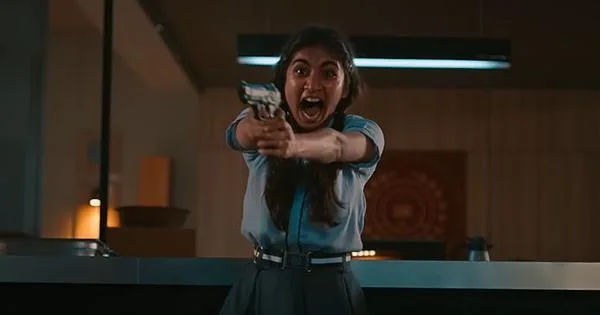
| Schoolgirls | Under hypnotic control | Rajnath’s latest victims |
Enter Rajnath: The New Dark Magician
Okay, so you thought the Pratap situation was wild, right? With all that “absolute control” business? Hold onto your hats, folks, because the drama’s just getting started. We’ve now got Rajnath stumbling onto the scene, and frankly, he’s… well, let’s just say he’s no Dumbledore. He’s more like a magician whose rabbit keeps escaping. Limited powers? Check. Fleeting control? Double-check.
And, ugh, I almost hate to say this, but the guy’s gone and messed with some schoolgirls. Seriously? What a creep. It just makes you want to throw your hands up in despair, doesn’t it? The question now is, what damage can *he* actually do?
Seriously, can things get any weirder? I mean, Pratap’s already out there, all “absolute control this, absolute control that.” But just when you think you’ve seen it all, BAM! Along comes Rajnath. But here’s the thing: while Pratap seems to genuinely have some juice, Rajnath? He’s… underwhelming. Think bargain-bin wizard. His powers are, shall we say, *restricted.* And his control? Gone faster than free donuts at the office.
Okay, so picture this: a tiny little problem…it just exploded into Rajnath’s biggest headache. He couldn’t let it go! It became his white whale. Naturally, he turned to Pratap, the guy he affectionately calls his “elder brother.” Rajnath is absolutely *fixated* on understanding how Pratap exerts such influence – it’s practically a permanent lock on people’s minds, wouldn’t you say?
The ₹10 Mystery That Changes Everything
Okay, let’s talk about the real genius of this film. Forget the explosions or the dramatic monologues, the heart of it lies in the smallest of details. Specifically, a chai transaction. We’re talking about back when Pratap had that huge argument, twelve years ago now. In the midst of all that drama, he paid ₹10 for tea. Ten rupees!
The movie calls it a “karmic debt,” and honestly, that’s just *chef’s kiss*. It really drives home how even these little, everyday things, these casual interactions… they matter, right? They accumulate. They have this lingering effect. It makes you wonder about your own life, doesn’t it? What are *your* karmic chai debts?
The Karmic Connection Explained
This supernatural concept suggests that:
- Unresolved transactions create spiritual bonds
- Money exchanges can establish karmic connections
- These bonds transcend physical presence
- Only by settling the debt can the connection be severed
This explains why Aarya remained under Pratap’s influence despite his defeat – the karmic debt kept their spiritual connection alive.
The Path to Freedom-
Atharva’s realization about the karmic debt becomes the key to Aarya’s liberation. In a powerful symbolic act, he returns the ₹10 to Pratap, finally severing the supernatural connection that held his daughter captive.
The moment represents more than just settling a debt – it’s about breaking cycles of control, resolving unfinished business, and understanding that sometimes the smallest details have the greatest impact.
Confronting Rajnath: The Final Battle
While Aarya finally breaks free from her psychological prison after 12 long years, the immediate threat of Rajnath remains. The new dark magician continues his reign of terror, desperately searching for Pratap’s secrets.
The climactic confrontation sees Atharva taking decisive action against Rajnath. In a brutal but symbolic victory, he cuts off Rajnath’s tongue, rendering the magician mute and effectively ending his ability to cast spells or control others through verbal commands.
The Deeper Meaning Behind the Madness
Vash Level 2’s ending operates on multiple levels:
Psychological: The film explores trauma’s lasting impact and how unresolved issues can trap us in cycles of suffering.
Spiritual: The karmic debt concept suggests that every action has consequences that must eventually be addressed.
Social: The schoolgirls’ hypnosis reflects how vulnerable young minds can be manipulated and controlled.
What Makes This Sequel Work
Unlike many horror sequels that simply rehash familiar scares, Vash Level 2 deepens the mythology while addressing unresolved plot threads. The ₹10 karmic debt isn’t just a convenient plot device – it’s a culturally resonant concept that adds spiritual depth to the supernatural horror.
The film’s exploration of different types of control – Pratap’s permanent influence versus Rajnath’s temporary hypnosis – creates interesting parallels about power, manipulation, and the lasting impact of trauma.
Box Office Success and Critical Reception
Following its August 27, 2026 release, Vash Level 2 has maintained a strong theatrical presence, adding ₹80 lakh on its third day alone. The film’s success proves that audiences appreciate intelligent supernatural thrillers that respect both their intelligence and cultural sensibilities.
The positive reviews highlight the film’s ability to blend traditional supernatural beliefs with modern storytelling techniques, creating a uniquely Gujarati horror experience that resonates beyond regional boundaries.
*Discover more thrilling movie reviews, endings explained, and supernatural cinema analysis in our entertainment section for the latest updates on regional and