NZ94/3 (13/20 ov)
 IND
 NAM36/1 (7.3/50 ov)
 IRE
 MOZ
 UGA
 AVL
 MNC
 RAY
 ELC
 GMB
 ZMB
 NGA
 LES
 CAG
 BOL
 COMO
 SAS
 FCA
 FCU
 Ipswich1
 Nottm Forest1
 Alavés1
 Málaga1
 Torino3
 Monza2
 Brest1
 Nice2
 WA
 NSW195/3 (30.1/50 ov)
 DEN
 KUW
 KENYA
 QAT
 NZ-A135/3 (41 ov)
 IND-A113
 DHA
 RAJ
 MYMS
 CHATT
 RAN
 BAR
 SYL
 KHU
 MEX-W
 ARG-W
 UAE
 NED
 PAK
 ENG
 IND-W
 ZIM-W
 AFG170/3 (34.3/50 ov, target 170)
 ZIM169
 TAS137 (25.2/35 ov, target 276)
 VIC304/7 (50 ov)
 CHE0
 DYI0
 CHO1
 QIN0
 HEN1
 BEI0
 LIA1
 ZHE0
 QWC1
 YUN0
 SHX0
 Shanghai Shenh0
 TIG0
 SHP0
 WTT1
 SHT3
 KOE
 S04
 M05
 SVW
 RBL
 ELV
 Stuttgart2
 Gladbach3
 Al Ahli4
 Al Khaleej1
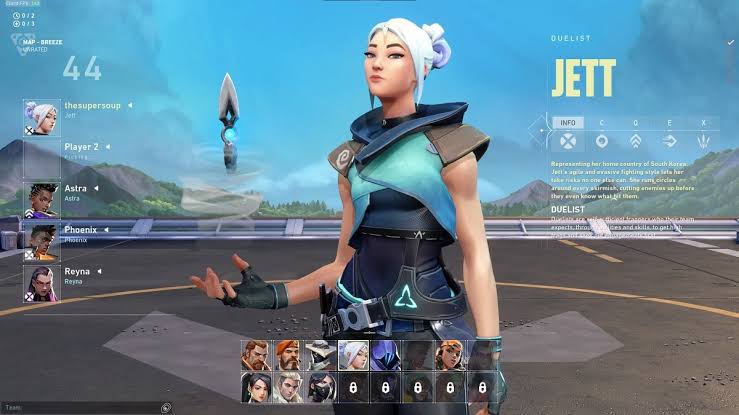
Valorant recorded an 80 out of 100 PC score on Metacritic, while Riot Games’ free-to-play tactical shooter launched on Microsoft Windows on June 2, 2020. That aggregate figure is marked unconfirmed, and the game later arrived on PlayStation 5 and Xbox Series X/S on August 2, 2024. Those dates settle the basics, but a first match still raises four practical questions for Valorant beginners.

Overview: What Is Valorant?
Valorant is a first-person tactical hero shooter developed and published by Riot Games. Its core format is a competitive 5v5 match, where two teams fight through objective-based rounds using weapons, positioning, and agent abilities.
Every agent carries a distinct ability kit. That design means beginners learn two systems at once: conventional first-person shooting and character-specific utility. A new player does not need to understand the full roster before queueing, but they do need to accept that each ability can reshape how a round unfolds.
Question One: Do Beginners Need to Know Every Agent?
No. New players should start with one agent’s abilities rather than memorising the entire roster immediately. Riot Games built Valorant around distinct agents, so the first useful step is understanding what a single selected character contributes to a 5v5 team. A beginner should identify whether their agent supplies information, area control, movement, defence, or direct combat.
That choice shapes how they enter a site, support teammates, and spend abilities. Players coming from character-based games can use that structure straight away, though tactical positioning still matters as much as the pick itself. The professional scene can look intimidating, and our coverage of valorant Champions 2026: shows how much of that play rests on coordinated team roles. A first match should focus on learning those roles, not on copying pro strategies perfectly.
Question Two: Is Valorant Only About Aim?
No. Aim decides individual duels, but Valorant also rewards timing, communication, map awareness, and disciplined ability use. A player who shoots accurately yet walks into an exposed angle alone can still lose a decisive fight. The 5v5 format makes every decision visible to the team.
Moving too early reveals a position, while burning an ability without purpose removes an option later in the round. Beginners should treat each round as a sequence of choices rather than a simple hunt for opponents. The most useful early habit is to pause before acting. Check the objective, listen for information, watch where teammates are set up, and then decide whether an ability or a weapon engagement actually serves the round. That patience is the same discipline behind our beginner roadmap for Elden Ring, where rushing a fight usually costs more than waiting for the right opening. For more detail, see Destructoid.
Question Three: Which Platform Can Beginners Use?
Valorant beginners can play on Microsoft Windows, PlayStation 5, or Xbox Series X/S. Riot Games released the PC version on June 2, 2020, before bringing the game to both listed consoles on August 2, 2024.
| Platform | Release date | Game format |
|---|---|---|
| Microsoft Windows | June 2, 2020 | Free-to-play tactical hero shooter |
| PlayStation 5 | August 2, 2024 | Free-to-play tactical hero shooter |
| Xbox Series X/S | August 2, 2024 | Free-to-play tactical hero shooter |
The platform choice changes the control setup, not the essential identity of the game. Each version is built around tactical 5v5 competition, agent abilities, and objective-focused rounds. New players should pick the platform they are most comfortable with instead of assuming the PC version is the only valid entry point.
Question Four: What Should Beginners Expect From the First Match?
Expect a learning session, not immediate mastery. Valorant combines first-person combat with agent abilities, so a player may need several rounds to grasp weapon handling, movement, objectives, and the timing of a chosen agent. The PC aggregate score of 80 out of 100 on Metacritic offers a critical reference point, but it does not predict an individual player’s first experience.
That figure remains unconfirmed, and no aggregate score can capture the pressure of making decisions inside a live 5v5 round. Beginners should set one measurable goal per match. That could mean using abilities with a clear purpose, staying near teammates, or learning when to hold a position. Progress becomes easier to see when players stop judging themselves purely on eliminations.
What’s Next for Valorant Beginners?
The next step is straightforward: pick one agent, learn the objective, and treat the opening matches as practice in decision-making. Valorant’s free-to-play model removes the purchase barrier, while availability on Windows, PlayStation 5, and Xbox Series X/S gives newcomers several entry points.
The long-term challenge comes from combining individual aim with team coordination. Players who build that foundation early will be better prepared for ranked competition, deeper agent choices, and the tactical patterns that make every 5v5 round different.
Valorant beginners do not need perfect aim on day one; they need a clear role, a patient approach, and one useful decision at a time.
FAQs
Is Valorant free to play?
Yes. Valorant is categorised as a free-to-play first-person tactical hero shooter developed and published by Riot Games.
How many players are in a Valorant match?
Valorant features competitive 5v5 matches, with five players on each team.
Which platforms support Valorant?
Valorant is available on Microsoft Windows, PlayStation 5, and Xbox Series X/S.
Do agents have different abilities?
Yes. Each agent in Valorant possesses a distinct ability kit that shapes how a round unfolds, so beginners should learn one agent’s kit before expanding to the wider roster.
Was this article helpful?
Your feedback directly improves future articles on this site.