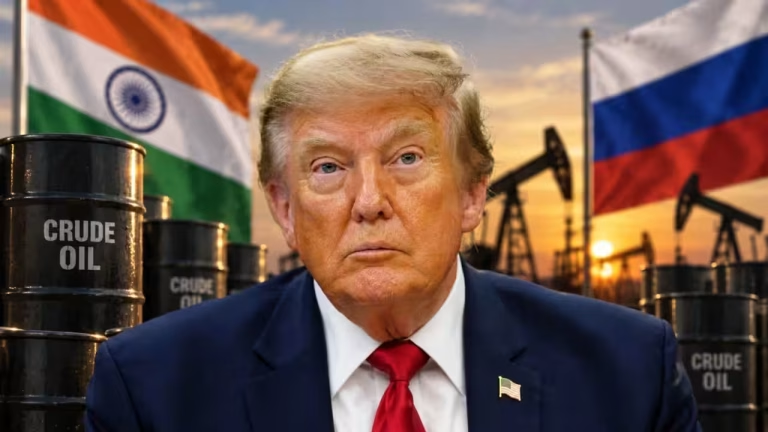
A new piece of legislation out of Washington has put India squarely in the crosshairs of an escalating US-Russia standoff. The US Congress has cleared a bill giving President Donald Trump sweeping authority to impose tariffs of up to 100% on countries that continue buying Russian energy — and India, one of the world’s largest importers of Russian crude, is directly named.
Table of Contents
The Sanctions Bill: Overview
| Detail | Information |
|---|---|
| Bill Name | Lindsey O. Graham Sanctioning Russia and Iran Act of 2026 |
| House Vote | 262–159 (passed) |
| Senate Vote | 86–11 (passed earlier) |
| Maximum Tariff Authorized | Up to 100% |
| Countries Named | India, China, Azerbaijan, Hungary, Slovakia |
| Next Step | Awaits President Trump’s signature |
What Does The Bill Actually Do?
The legislation authorizes the US President to impose steep tariffs — as high as 100% — on goods from countries that remain major buyers of Russian oil and gas, framing the move as economic pressure on Moscow over the ongoing war in Ukraine. Notably, the bill has already been diluted from an earlier, more extreme proposal of a blanket 500% tariff, and now includes European exemptions along with a presidential waiver — meaning the final tariff rate imposed, if any, will depend heavily on how the White House chooses to use this new authority.
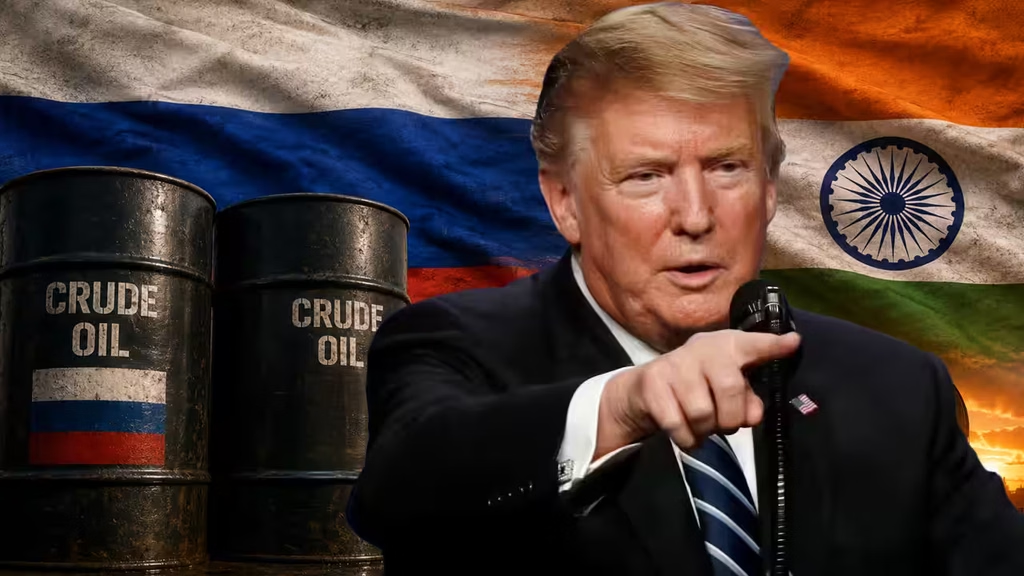
Russia currently supplies over half of India‘s crude oil imports, a dramatic rise from its marginal share before 2022, driven largely by discounted Russian crude following Western sanctions on Moscow. This dependency makes India particularly exposed to any tariff action stemming from the bill.
India’s Response
India’s Ministry of External Affairs has reiterated the country’s long-standing position: energy security for 1.4 billion citizens takes priority, and sourcing decisions will continue to be guided by market dynamics and diversification rather than external pressure. As officials put it, “We are looking at all options and will not let these sanctions disrupt the country’s energy security.”
New Delhi has also stated it is engaging with Washington at high levels to protect its trade and economic interests, even as broader trade negotiations between the two countries continue. Notably, bilateral trade talks are expected to take place around the G20 Trade Ministers’ meeting scheduled for late September in Wisconsin, adding another layer of significance to the timing of this legislation.
What Happens Next?
The bill now heads to President Trump’s desk for signature. Once signed, the real question becomes how — and whether — this new tariff authority is actually exercised, given the delicate balance between pressuring Russia and disrupting ongoing US-India trade discussions.
For more updates on global trade developments and geopolitical news, check out TechnoSports for daily coverage.
FAQs
Q1. What is the Lindsey O. Graham Sanctioning Russia and Iran Act?
It’s a 2026 US bill authorizing tariffs of up to 100% on countries that continue buying Russian oil and gas.
Q2. Has India been hit with the 100% tariff yet?
No — the bill only authorizes such tariffs; actual imposition depends on presidential action after the bill is signed.