
 SA329 (82.3 ov)
 AUS
AUS SAS2
SAS2 LAZ5
LAZ5 ALS1
ALS1 HIL1
HIL1 ROMA
ROMA CAG
CAG TOR
TOR COMO
COMO BAN
BAN WI
WI IND-W
IND-W ZIM-W
ZIM-W GOA
GOA SC Delhi
 Milan
Milan Bologna
 Parma
Parma Udinese
 Venezia
 Inter Milan
 AFG177
 ZIM140 (19.1/20 ov, target 178)
 ABH0
ABH0 ALF1
ALF1 PAK110
 SL114/2 (18.1/50 ov, target 111)
 NAM316/7
 IRE253 (44.5/50 ov, target 317)
 SIKM184
 NAGA187 & 46/4 (34 ov)
 JHK131/4 (47 ov)
 DELHI515/5d
 ODSA194
 SVCS13/0 (5 ov)
 BRODA616
 J & K6/0 (4 ov)
 CHD685/5d
 HP49/0 (14 ov)
 CGR216/8 (95 ov)
 AP231
AP231 HYD193/2 (54 ov)
 PNJB431
 KNTKA297/7 (95 ov)
 TPURA194
 KER101/6 (35 ov)
 BENG350
 MAHA278/9 (100 ov)
 GUJ223
 MNPR364
 ARP111 & 95/2 (36 ov)
 UAE
UAE OMA
OMA AUCK
AUCK CANT
CANT CD
CD ND
ND DEN
DEN QAT
QAT KENYA
KENYA KUW
KUW POA
POA SPR
SPR NZ198/3
 IND199/4 (13.2/20 ov, target 199)
 NED371/5
 JAB113 (19.3/20 ov, target 133)
 KAY132/9
 HSV1
HSV1 SGE3
SGE3 SGS2
SGS2 FCA4
FCA4 BOC2
BOC2 M050
M050 CUA0
CUA0 GIR2
GIR2 EXC1
EXC1 ADO0
ADO0 APN1
APN1 ELC1
ELC1 CF 0
CF 0 CEE1
CEE1 SES2
SES2 ESP1
ESP1 AIK1
AIK1 ELF1
ELF1 BEN0
BEN0 CAT0
CAT0 Genoa
Genoa Juventus
 Monza
Monza Napoli
 Sevilla2
 Osasuna0
 PSG2
PSG2 Lyon0
Lyon0 Mohun Bagan1
 Chennaiyin0
 SAA2
SAA2 EST0
EST0 BEI2
BEI2 JHM2
JHM2
Smartphone makers have finally cracked a design problem that’s haunted them for years: under-screen cameras are actually becoming practical now. Multiple manufacturers are testing display panels that hide front-facing cameras behind the screen itself, ditching the notches and punch-hole cutouts that’ve defined flagship phones since 2017. The key breakthrough? Transparent pixel technology that lets light through specific areas while keeping the rest of your display crisp and clear. We could see this reshape phone design by mid-2026.
What Happened
Samsung, OPPO, and Xiaomi have all shown working prototypes of under-screen cameras over the past six months. The trick involves using transparent OLED pixels in the area where the camera sits, letting the lens see through the display while you see a normal screen. Samsung’s version hits 92% screen brightness in the camera zone—a huge jump from earlier attempts that made the display noticeably darker. OPPO’s approach uses a 3.2-millimeter transparent lens assembly positioned right behind the panel.
These aren’t just concept demos anymore. Production timelines suggest you’ll see these on actual flagship phones within the next 12 months.
Why This Matters
Here’s the thing: under-screen cameras solve a design headache that’s plagued premium phones ever since the iPhone X introduced the notch back in 2017. Removing visible camera cutouts means truly edge-to-edge displays—something consumers have been asking for constantly. You get full-screen real estate for content, gaming, and video calls without any visual interruption.
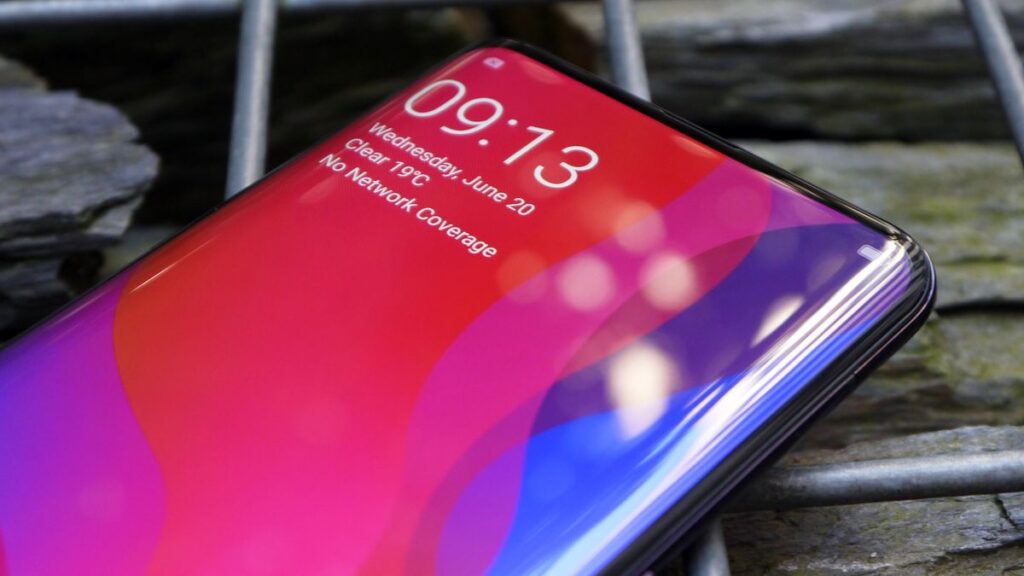
There’s more to it though. Fewer moving parts could mean better durability overall, and the sealed design should boost water resistance ratings. For phone makers, this is a real competitive advantage—whoever ships a polished under-screen camera experience first will own a major marketing story heading into 2027.
Key Details & Numbers
These under-screen cameras capture anywhere from 12 to 50-megapixel selfies, depending on which version you’re looking at. Light transmission rates have jumped to 60-70% of normal brightness in the camera area, up from just 30-40% two years ago. Samsung Display has already started tooling production lines for this tech.
OPPO says their under-screen camera will debut in the Find X8 series by Q3 2026. To make the transparent pixels work, manufacturers needed about 15-20% fewer light-emitting elements in the camera zone—they compensated by using advanced subpixel algorithms. Battery drain during video calls? Barely noticeable at under 2% additional drain in early testing.
Industry Reaction
Display engineers at The Verge are impressed with how fast this tech is maturing, though some worry about selfie quality when the lights are low. GSMArena analysts expect under-screen cameras to become standard on $800+ flagships within 18 months. Our breakdown of smartphone camera innovations shows how this fits into the bigger display picture.
A few skeptics point out that portrait mode might struggle with the slightly reduced light input, but computational photography is improving fast enough to handle this by launch time.
What’s Next
Keep an eye out for announcement events from Samsung and OPPO between April and June 2026. The real moment comes when these phones actually hit stores: that’s when we’ll see how the selfie quality holds up, whether the display stays durable, and if the technology lives up to the buzz.
Chinese manufacturers will probably ship first, with Samsung’s Galaxy S27 series following in late 2026. Apple hasn’t said much publicly, but insiders expect to see this on iPhone 16 Pro models in 2027. The next 90 days will tell us whether under-screen camera tech is truly ready for mass production or just another incremental display tweak.
People Also Ask
Does under-screen camera tech affect display brightness?
Will under-screen camera tech replace the notch completely?
Is the selfie quality worse with under-screen cameras?
Not really. Light transmission is high enough that computational photography can handle the reduced input. Low-light shots might need stronger processing, but the results should match today’s flagship selfies.
When will under-screen camera tech be mainstream?
Late 2026 on flagships for sure. Mass adoption across mid-range phones probably happens in 2027-2028 once manufacturing costs drop.


