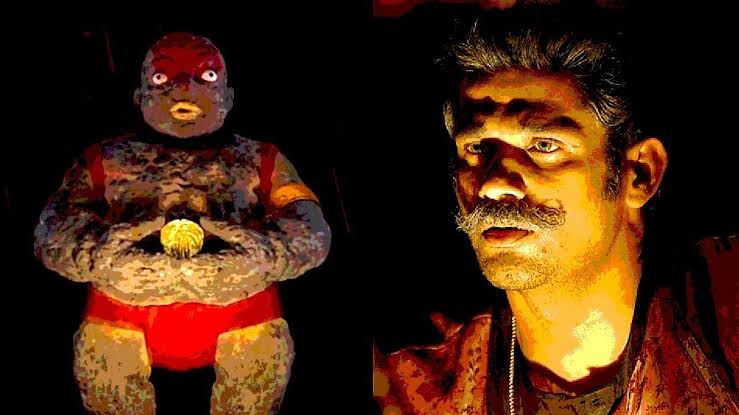
On October 12, 2018, Rahi Anil Barve’s Tumbbad arrived in Indian theatres as a Hindi horror film led by Sohum Shah as Vinayak Rao. The film had already premiered at the 75th Venice International Film Festival on August 31, 2018, but its theatrical journey initially placed it closer to a specialist discovery than a mainstream event.
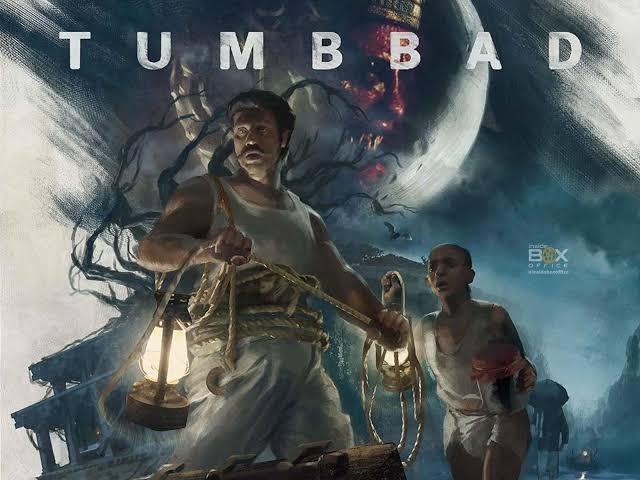
Overview: Before Tumbbad’s Horror Reputation Expanded
Before its later reassessment, Tumbbad was largely discussed among horror fans as a cult title rather than as a major Indian cinematic achievement. That label recognises its devoted audience, but it also limits the film by placing it inside a genre shelf.
Tumbbad is not merely a horror story; it is a carefully constructed period fantasy about greed, inheritance, mythology and the cost of wanting more. The film marked the directorial debut feature of Rahi Anil Barve, who co-directed it with Adesh Prasad. Its production companies included Eros International, Aanand L. Rai’s Colour Yellow Productions and Sohum Shah Films. Those credits point to a film built through collaboration across independent ambition and established production infrastructure.
Key Details: The Catalyst That Changed Tumbbad’s Position
The first major catalyst was the film’s international premiere at Venice on August 31, 2018. That platform gave Tumbbad a festival identity before its Indian theatrical release, framing it as a work of cinematic design rather than a conventional scare-driven product. Yet the film’s long-term reputation was shaped less by one opening moment than by sustained discussion among viewers who kept returning to its world.
A second catalyst came with recognition at the 64th Filmfare Awards ceremony, where Tumbbad won three awards. Pankaj Kumar received the award for Best Cinematography, a significant acknowledgement of the film’s visual language. The awards helped move the conversation beyond whether the film was frightening and toward how its imagery, atmosphere and production design functioned. The film’s theatrical re-release on September 13, 2024, grossed approximately ₹30 crore globally during its extended run, although that figure remains unconfirmed. Even with that qualification, the re-release demonstrated that its audience had changed from an initial theatrical constituency into a wider group willing to revisit the film on the big screen. Its digital streaming rights were acquired by Amazon Prime Video, giving the title another route to sustained discovery.
Context: After the Reassessment, Tumbbad Means More Than Horror
After the re-release, the “cult classic” description feels too narrow for Tumbbad. Cult status suggests a film rescued by a small but passionate following; Tumbbad’s Venice premiere, Filmfare recognition and later theatrical return show a work that has travelled through festivals, awards, cinemas and streaming. The label is useful as a starting point, not as the final assessment.
The film’s strongest business asset is its distinct identity. It does not depend on a familiar franchise, a large ensemble or a star-led promotional formula. Sohum Shah’s Vinayak Rao anchors the story, while the production’s combination of mythology and horror creates a property that can remain visible across multiple release windows. That positioning also places Tumbbad within a wider Indian horror conversation that includes recent horror releases. The commercial lesson is clear: horror can gain value when its world-building gives audiences a reason to revisit it, not just a reason to react once.
| Measure | Before the wider reassessment | After the later theatrical return |
|---|---|---|
| Audience position | Specialist horror following | Broader revisit audience |
| Release identity | Indian theatrical film after Venice premiere | Theatrical re-release in 2024 |
| Critical marker | Genre conversation | Three Filmfare Awards |
| Viewing route | Cinemas | Cinemas and Amazon Prime Video |
| Business signal | Cult reputation | Approximately ₹30 crore globally, unconfirmed |
What’s Next: If You Want Horror, Pick Tumbbad
If you want a conventional horror film built around repeated shocks, pick another title. If you want Indian mythology, visual atmosphere and a story where greed drives the terror, pick Tumbbad. If you study film business, its journey from a 2018 theatrical release to a 2024 re-release and Amazon Prime Video availability offers an even stronger reason to watch it. For more detail, see VentureBeat AI.
The film’s future value will depend on whether audiences continue treating it as a one-off curiosity or as a reference point for Indian genre cinema. Its production history and awards record already support the second reading. Tumbbad deserves to be remembered not only as a cult classic, but as an Indian horror film with lasting theatrical and artistic value.
FAQs
When did Tumbbad release in India?
Tumbbad released theatrically in India on October 12, 2018.
Who plays Vinayak Rao in Tumbbad?
Sohum Shah plays Vinayak Rao in Tumbbad.
Who directed Tumbbad?
Rahi Anil Barve directed Tumbbad and co-directed the film with Adesh Prasad.
Where is Tumbbad available to stream?
Amazon Prime Video acquired the digital streaming rights for Tumbbad.
How much did the Tumbbad re-release earn?
The September 13, 2024, theatrical re-release grossed approximately ₹30 crore globally during its extended run, though that figure is unconfirmed. Tumbbad is not just a cult horror title; it is a rare Indian film whose second life strengthened its first achievement.
Was this article helpful?
Your feedback directly improves future articles on this site.