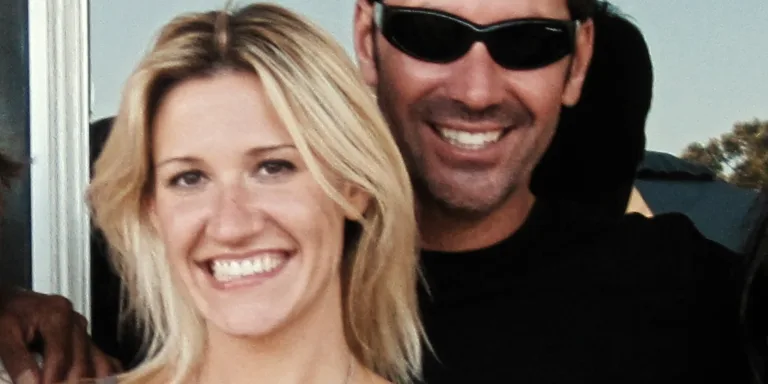
Documentaries rarely have the runtime to cover everything, and A Toxic Love Story is no exception. The real Anaheim case behind Netflix’s latest true-crime hit stretches back over a decade, with legal records revealing details the film only hints at.
How It All Started
Ian Diaz, a former U.S. Marshal, began dating Michelle Hadley in 2013 after meeting on a dating app. According to court filings, the relationship quickly turned controlling — from pressuring her into a lower-paying job to allegedly having colleagues monitor her at work. Despite the red flags, the two got engaged in 2014 and bought a condo together in Anaheim in 2015, a purchase Hadley funded with her own down payment.
The Breakup and the Frame-Up
Hadley left Diaz in August 2015 after enduring what court documents describe as escalating psychological and sexual coercion. Diaz moved on quickly, marrying Angela Connell within a month of meeting her in 2016. What followed was a calculated scheme: Ian and Angela created fake Craigslist ads under Hadley’s name requesting a “rape fantasy,” then called police claiming Hadley was harassing them. Hadley was arrested, charged with multiple felonies, and spent 88 days in jail before investigators uncovered digital evidence tying the fabricated messages back to Diaz’s own computer.

Where the Key Figures Are Now in A Toxic Love Story?
| Person | Outcome |
|---|---|
| Michelle Hadley | Exonerated; sued the City of Anaheim and secured a $1.795 million settlement |
| Angela Diaz | Sentenced to 5 years in state prison (October 2017) |
| Ian Diaz | Convicted March 2023; sentenced to 84 months (7 years) in federal prison |
Life After the Conviction
Hadley’s legal fight didn’t end with her exoneration. She later sued Anaheim’s police department for ignoring early evidence that pointed away from her, ultimately reaching a settlement. When Diaz was finally convicted in 2023 on charges including cyberstalking and obstruction of justice, Hadley called it a moment that restored some of her faith in the justice system — a case study now frequently cited in discussions around wrongful conviction in the U.S.
For more true-crime breakdowns and streaming explainers like this, check out TechnoSports.