SA329 (82.3 ov)
 AUS
AUS ROMA0
ROMA0 CAG0
CAG0 TOR0
TOR0 COMO0
COMO0 ALS3
ALS3 HIL1
HIL1 BRD0
BRD0 PET0
PET0 BAN
BAN WI
WI IND-W
IND-W ZIM-W
ZIM-W GOA
GOA SC Delhi
 Milan
Milan Bologna
 Parma
Parma Udinese
 Venezia
 Inter Milan
 Genoa
Genoa Juventus
 Monza
Monza Napoli
 SAS2
SAS2 LAZ6
LAZ6 AFG177
 ZIM140 (19.1/20 ov, target 178)
 ABH0
ABH0 ALF1
ALF1 PAK110
 SL114/2 (18.1/50 ov, target 111)
 SIKM184
 NAGA187 & 46/4 (34 ov)
 JHK131/4 (47 ov)
 DELHI515/5d
 ODSA194
 SVCS13/0 (5 ov)
 BRODA616
 J & K6/0 (4 ov)
 CHD685/5d
 HP49/0 (14 ov)
 CGR216/8 (95 ov)
 AP231
AP231 HYD193/2 (54 ov)
 PNJB431
 KNTKA297/7 (95 ov)
 TPURA194
 KER101/6 (35 ov)
 BENG350
 MAHA278/9 (100 ov)
 GUJ223
 MNPR364
 ARP111 & 95/2 (36 ov)
 UAE
UAE OMA
OMA AUCK
AUCK CANT
CANT CD
CD ND
ND DEN
DEN QAT
QAT KENYA
KENYA KUW
KUW POA
POA SPR
SPR NAM316/7
 IRE253 (44.5/50 ov, target 317)
 NZ198/3
 IND199/4 (13.2/20 ov, target 199)
 NED371/5
 JAB113 (19.3/20 ov, target 133)
 KAY132/9
 EXC1
EXC1 ADO1
ADO1 APN1
APN1 ELC3
ELC3 SES2
SES2 ESP2
ESP2 BEN1
BEN1 CAT0
CAT0 WIM1
WIM1 ARS2
ARS2 SHO0
SHO0 ALH1
ALH1 UDC0
UDC0 ALM0
ALM0 ALC0
ALC0 LPA0
LPA0 FLE
FLE ARS
ARS Gamba Osaka
 Buriram
 Sevilla2
 Osasuna0
 PSG2
PSG2 Lyon0
Lyon0 Mohun Bagan1
 Chennaiyin0
 SAA2
SAA2 EST0
EST0
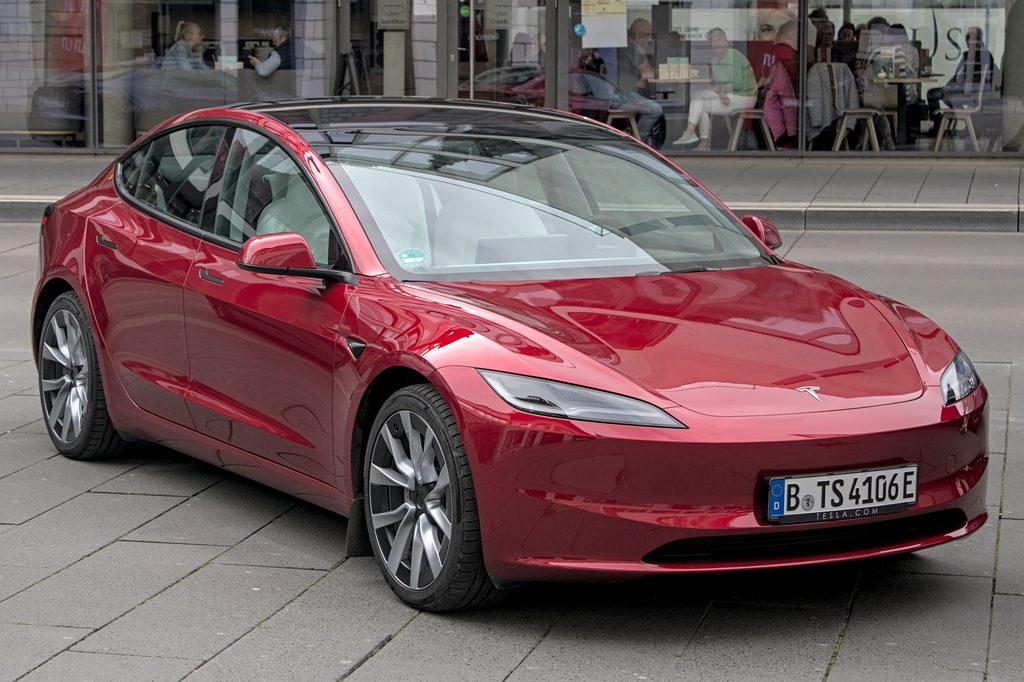
What Makes the Model 3 Ownership Experience Different From Traditional Sedans?
Owning a Model 3 means ditching the petrol pump entirely. Most owners charge at home overnight, waking up to a “full tank” each morning. The instant torque and single-speed acceleration create a driving experience that feels fundamentally different from anything with a transmission.
Regenerative braking becomes second nature within weeks, and many drivers report that one-pedal driving actually reduces fatigue on long routes. Service is handled entirely through Tesla’s mobile app, with technicians arriving at your home or office for routine maintenance.
There are no oil changes, no transmission fluids to check, and no spark plugs to replace. The reduced maintenance burden is often cited as a major factor in lower total cost of ownership, though this depends heavily on your driving patterns and access to home charging.
How Does the Model 3’s Resale Value Compare to Luxury Combustion Sedans?
Tesla vehicles have historically experienced steeper depreciation than comparable luxury brands, though the gap has narrowed significantly. Early Model 3 owners who purchased in 2018-2019 reportedly saw their vehicles lose a substantial portion of their original value within five years.
By comparison, a BMW 3 Series or Mercedes-Benz C-Class in similar age brackets typically retained a greater share of their original MSRP.
This volatility has made some buyers cautious about Model 3 as a first-year purchase, though used Model 3 values have stabilized as the vehicle has matured in the market.
Which Model 3 Variant Holds Value Best in the Used Market?
The Long Range dual-motor variants have demonstrated stronger retention than the Standard Range Plus. Reports from used car marketplaces indicate that Long Range models command a noticeable premium over comparable mileage Standard Range examples.
The all-wheel-drive capability and extended range address the two most common concerns for EV buyers, making them more desirable in the secondary market.
A three-year-old Model 3 Performance may feel outdated compared to newer iterations with improved range and technology.
What Hidden Costs Should Model 3 Buyers Factor Into Ownership?
Battery degradation is a legitimate concern, though Tesla’s data suggests the pack retains a large majority of its original capacity after high mileage. However, battery replacement outside the warranty period can be expensive, with quotes reportedly varying widely depending on the specific pack required.
Tire wear tends to be higher than conventional cars due to the instant torque and heavier vehicle weight from the battery pack. Insurance premiums for Model 3 vehicles have historically been higher than comparable combustion sedans, reflecting repair costs and the vehicle’s performance characteristics.
Some owners report noticeable premium increases over their previous vehicles. These ongoing costs can significantly impact the total cost of ownership calculation that influences resale value perceptions.
What Is the Bottom Line for Prospective Model 3 Buyers?
The Model 3 offers a compelling ownership proposition for those prioritising technology, driving experience, and low running costs. However, buyers should enter with realistic expectations about depreciation and factor in insurance and potential tyre replacement costs when calculating true ownership expense.
The resale value story has improved as Tesla’s brand recognition has solidified and the used EV market has matured. For buyers planning to keep their vehicle for five years or longer, the Model 3 remains a strong choice in the premium electric sedan segment.
Those expecting strong resale retention should consider the Long Range variant and maintain the vehicle in excellent condition to maximise trade-in or private sale value.
The Tesla Model 3 delivers an unmatched ownership experience in its segment, but buyers should budget for higher insurance costs and accept that depreciation will likely exceed traditional luxury German competitors. The Long Range variant offers the best balance of value retention and everyday usability.
Related Articles
- Royal Enfield Himalayan 440 Spied At Dealer Before Launch
- Royal Enfield 750cc Twins: Everything We Know So Far
- Royal Enfield 650 vs 750 Twins: Which Cruiser Should You Buy?
FAQs
Does the Model 3 qualify for tax credits in India?
India does not currently offer federal EV tax credits similar to the US, though some state governments provide registration fee waivers and road tax exemptions. How long does the Tesla Model 3 battery last? Tesla provides a lengthy battery warranty, typically covering 8 years with a mileage limit that varies by variant.
Is the Model 3 suitable for Indian road conditions? The Model 3’s ground clearance can be a concern on poorly maintained Indian roads. Owners should exercise caution on rough surfaces and consider the suspension setup when evaluating suitability for Indian conditions. What is the average insurance cost for a Tesla Model 3? Insurance costs vary significantly by location and driver profile, but Model 3 insurance tends to be higher than comparable luxury sedans due to repair costs and performance characteristics.
Was this article helpful?
Your feedback directly improves future articles on this site.