BAN
 WI235/4 (70 ov)
 AFG
 ZIM326/5 (87 ov)
 AZ0
 JUV2
 B040
 OLM1
 SLB2
 LECH1
 CEL1
 USG2
 CEL2
 BES1
 HBE0
 OFI2
 GOA
 Bengaluru
 Hamburg
 Gladbach
 Venezia
 Udinese
 Toulouse
 Strasbourg
 Everton
 Coventry
 Sevilla
 Alavés
 NZ
 IND
 PAL
 REMO
 MIL0
 FER2
 AND2
 SLZ0
 CRY1
 TSG1
 LEV1
 JAG0
 WAR138/7 (20 ov)
 BOL138/5
 DMJIR290 & 134/5 (46 ov) (f/o)
 HYD-R519/8d
 KRBLS280 & 2/1 (2 ov)
 SRB241 & 388/5d
 FSLB259 & 54/1 (26 ov) (f/o)
 PRB503/4d
 LAHW234 & 40/4 (17 ov, target 412)
 FATA362 & 283
 ISB215 & 163/6 (51 ov)
 MUL327
 PCBXI151/8d
 SL223/7d & 121/6 (38 ov)
 ZIM-A
 IRE-A420/9 (90 ov)
 MS-W
 SS-W
 MR-W
 AS-W
 BH-W
 HH-W
 KAY
 SPR
 TUSK
 RHINO
 MOUNT
 ROCKS
 CHR
 POA
 WI-A123 (16.3/20 ov, target 220)
 LIONS219/7
 ST-W166 (19/20 ov, target 184)
 PS-W183/3
 BIK83
 KAG86/1 (9.4/20 ov, target 84)
 JAB133/8 (20 ov, target 150)
 LUL149/8
 MAL1988
 SL1991/1 (13.5/50 ov, target 89)
 STG1
 NKC3
 SUN0
 DZG2
 TOR1
 ARA2
 MON1
 FCN0
 UCRA2
 EGN0
 KBH2
 IBE1
 CRU
 BAH
 LSK0
 PLZ1
 NEC3
 OMON1

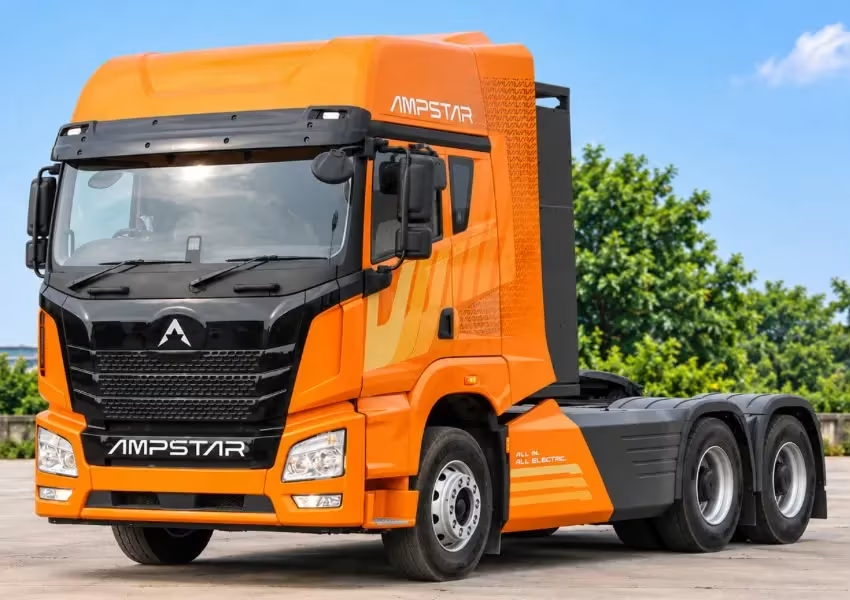
The Tata Motors Iveco JV is a new commercial vehicle alliance built to compete on international freight routes. The combined entity was officially announced on Tuesday, November 3, 2026, marking a major change in heavy transport manufacturing. The Indian Express first reported that this strategic merger brings two automotive powerhouses together to reshape the logistics sector.
Overview of the Joint Venture
Background on Tata Motors and Iveco
Tata Motors is based in Mumbai, India, and has decades of experience building rugged trucks and buses for demanding domestic terrain. Iveco Group, meanwhile, traces its engineering heritage to Turin, Italy, and specializes in advanced European chassis designs and emissions technology.
Bringing these distinct histories together gives the companies an immediate presence across continents, without years of organic expansion. They can also bypass traditional trade barriers while combining established dealer networks across Asia and Europe.
Financial details of the partnership
Projections put the merged enterprise’s annual revenue at approximately €21 billion once integration is complete. That figure reflects combined sales of medium-duty distribution trucks and heavy-haul carriers built for long-distance routes.
Investors see the capitalization strategy as a strong defense against swings in raw material costs. Reportedly, combining procurement for key materials and components significantly reduces overhead compared with operating independently. The unified balance sheet also gives the company greater borrowing capacity for future research.
Market Impact and Future Prospects
Key markets targeted for expansion
The new corporate structure puts aggressive growth in three regions first: Europe, India, and South America. These territories are vital supply chain corridors for agriculture, mining, and urban infrastructure projects.
Coordinating production schedules between Italian plants and Indian facilities helps the company avoid shipping delays during peak demand. This geographic diversification closely matches frameworks reportedly analyzed for multi-region deployments. Supply chain resilience remains its key competitive advantage.
Innovative technologies to be integrated
Engineering teams are focusing on next-generation powertrains, including electrification and alternative fuels. Standardized electric drivetrains across several vehicle classes can bring zero-emission models to market faster.
Software-defined architectures will let fleet operators remotely optimize routing and predictive maintenance schedules. Modular assembly upgrades to existing manufacturing lines will add flexibility. These changes should help the brand stay ahead of stricter environmental regulations.
Expected operational benefits from the collaboration
Aligning design protocols and service standards across global dealerships can improve operational efficiency. Standard warranty frameworks will make after-sales support simpler for multinational logistics companies with mixed fleets. Engineers in Mumbai and Turin can cross-train to solve complex mechanical failures faster, while streamlined administration reduces friction in large government tender bids. Shared intellectual property also helps protect market share from new competitors.
Conclusion
The Tata Motors Iveco JV marks a structural overhaul, not a temporary market adjustment. Combining resources supports sustained investment in sustainable propulsion systems and digital fleet management tools. Industry observers expect standardized parts catalogs and unified branding to lower buyers’ total cost of ownership. Commercial transportation needs scalable solutions that balance performance and operating costs. This partnership provides that foundation.
FAQs
What is the significance of the €21 billion revenue?
Revenue above twenty-one billion euros gives the company immediate financial credibility and secures capital for technological modernization. At this scale, it can absorb supply chain disruptions without compromising production targets. Investors use these figures to assess long-term viability in cyclical industries. How will this joint venture affect the commercial vehicle market?
Bringing two major manufacturers together will push competitors to speed up innovation to stay relevant. Smaller regional producers may find it hard to match the unified entity’s economies of scale in component sourcing. The market will likely move toward standardized platforms that simplify manufacturing. What are the anticipated benefits for consumers? Fleet operators will have access to a broader range of models, supported by a unified warranty and parts network. Lower overhead can lead to more competitive prices for heavy-duty trucks and light commercial vehicles. Better software integration will improve fuel-efficiency tracking and remote diagnostics. What challenges might the new entity face? IntegThe Indian Express
Read Next
- Elon Musk OpenAI RAM Row: “The People Deserve to Have Their RAM Too”
- New Zealand Vs India 1st ODI: Predicted Strongest Bowling Attack For Eden Park Clash
- Itch.io Deletes Terabytes Of AI Slop In Attempt To Counter Surge In Game Uploads
Was this article helpful?
Your feedback directly improves future articles on this site.