BAN
 WI235/4 (70 ov)
 AFG
 ZIM326/5 (87 ov)
 AZ0
 JUV2
 B040
 OLM0
 SLB2
 LECH0
 CEL1
 USG2
 CEL1
 BES1
 HBE0
 OFI2
 GOA
 Bengaluru
 Hamburg
 Gladbach
 Venezia
 Udinese
 Toulouse
 Strasbourg
 Everton
 Coventry
 Sevilla
 Alavés
 NZ
 IND
 PAL
 REMO
 MIL0
 FER2
 AND2
 SLZ0
 CRY1
 TSG1
 LEV1
 JAG0
 WAR138/7 (20 ov)
 BOL138/5
 DMJIR290 & 134/5 (46 ov) (f/o)
 HYD-R519/8d
 KRBLS280 & 2/1 (2 ov)
 SRB241 & 388/5d
 FSLB259 & 54/1 (26 ov) (f/o)
 PRB503/4d
 LAHW234 & 40/4 (17 ov, target 412)
 FATA362 & 283
 ISB215 & 163/6 (51 ov)
 MUL327
 PCBXI151/8d
 SL223/7d & 121/6 (38 ov)
 ZIM-A
 IRE-A420/9 (90 ov)
 MS-W
 SS-W
 MR-W
 AS-W
 BH-W
 HH-W
 KAY
 SPR
 TUSK
 RHINO
 MOUNT
 ROCKS
 CHR
 POA
 WI-A123 (16.3/20 ov, target 220)
 LIONS219/7
 ST-W166 (19/20 ov, target 184)
 PS-W183/3
 BIK83
 KAG86/1 (9.4/20 ov, target 84)
 JAB133/8 (20 ov, target 150)
 LUL149/8
 MAL1988
 SL1991/1 (13.5/50 ov, target 89)
 STG1
 NKC2
 SUN0
 DZG2
 TOR1
 ARA2
 MON1
 FCN0
 UCRA2
 EGN0
 KBH2
 IBE1
 CRU
 BAH
 LSK0
 PLZ1
 NEC3
 OMON1
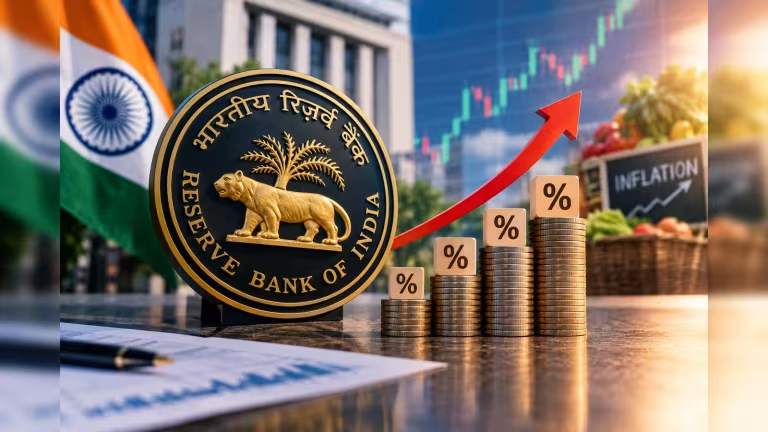
The Sensex market rally on November 5, 2020, was a one-session surge. It lifted the BSE (Bombay Stock Exchange) benchmark 2.6% to its highest level in more than six months. The move was best read as a direct verdict on the United States presidential election. A rally of that size signals repricing, not a gradual drift.

Market Reaction to US Election Outcome: The Sensex Market Rally in Numbers
The trigger was clear. As the US vote count firmed up, Asian equities reportedly rose in sympathy, and Indian benchmarks followed. The Nifty50 reportedly echoed the move, gaining more than 2.5%. Banking and financial stocks topped the BSE sectoral scoreboard—a classic risk-on signal, as lenders are among the first to respond when global appetite for liquidity shifts.
Sensex performance metrics post-election
A 2.6% one-day gain isn’t routine. On an index this broad, it adds hundreds of points by the close. It also pushed the benchmark above a six-month ceiling that had stopped every previous rebound attempt. Worth noting, the rise was broad-based, not narrow. That set it apart from the small, few-stock bounces that had defined the preceding months.
Comparison with previous election cycles
US presidential contests have repeatedly marked turning points for Indian equities. The outcome shapes the dollar, trade policy expectations, and foreign investors’ appetite for risk. This session followed that pattern. Positioning can change quickly—as our coverage of the Sensex Jumps 1,600+ session showed. Swings of that size are a feature of headline-driven markets, not an anomaly.
Investor sentiment and market confidence
Foreign institutional investors (FIIs) reportedly bought more Indian equities than they sold during the session, though the exact flow figure wasn’t confirmed. Sentiment, not earnings, drove the move. That’s the straightforward read: no company reported better numbers that day.
Key sectors driving the Sensex rise
Banking and financial services carried the index. When lenders lead, the market is pricing in easier global financial conditions and stronger credit demand—a bet on the cycle, not any single stock. The next question was whether the rally could withstand India’s own economic data.
Implications for Indian Economy
A one-day index move doesn’t change an economy. It can, however, shift the cost of capital at the margin. Cheaper equity valuations abroad and expectations of a softer dollar tend to draw foreign flows toward emerging markets. India, with its deep, liquid banking index, is a natural destination for that money.
Still, the risks were structural, not sentimental. A 2.6% jump couldn’t fix weak credit growth, stalled private investment, or the earnings downgrade cycle that had weighed on financials in preceding quarters. The rally lifted sentiment and bought time, but it didn’t deliver a recovery.
The test ahead was simple: if foreign flows continued and financials kept leading, the six-month high could become a base. If flows reversed after the election noise faded, that high could become a trap.
Source: The Indian Express
Read Next
- The Village Barber 2: Park Bo Gum Returns With a License, a New Teammate and Seaside Charm
- Vinicius Junior and Sadie Sink: The Unconfirmed Bernabeu Invite Taking Social Media by Storm
- Cristiano Ronaldo Says Goodbye to Portugal: 23 Years, One Shirt and a Farewell That Broke Hearts Worldwide
Was this article helpful?
Your feedback directly improves future articles on this site.