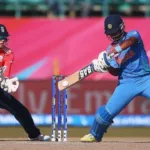
Steve Smith didn’t just survive a tense DRS moment in the 1st Test of Australia vs Bangladesh at Darwin on 13 August 2026—he said he was already mentally preparing to walk. The wicket felt certain to the batters and the fielders alike, but the Real-Time Snicko review delivered a flat line, turning “edge conviction” into a reprieve. For fans, it was a live example of how quickly Test cricket can swing on technology, emotion, and decision timing.

Why was Smith ready to walk off before the DRS call?
The turning point came in the 21st over, shortly before lunch, when Smith believed he had edged the ball off Ebadot Hossain. According to the Cricinfo report, Smith felt the contact was enough to be out and was ready to go if given the decision. The key detail is timing: this wasn’t a reaction after the fact—it was Smith’s own admission that the moment had crossed a “this is probably gone” threshold before the review process began. Worth noting: the review request was made by Najmul Hossain Shanto, with Kumar Dharmasena as the on-field umpire.
That leads to the obvious question: what did DRS show, and why did it overturn the on-field feeling?
What did DRS reveal in the Real-Time Snicko flat line?
The DRS technology check produced what ESPNcricinfo described as a completely flat line on Real-Time Snicko, with the replay showing no spike. That matters because in edge reviews, the presence (or absence) of sound/impact alignment often decides whether an “edge” becomes evidence—or disappears under the data. In this case, the flat line meant Smith survived what the field was ope
Here’s the thing: surviving a review is one story, but converting it is another—so how did Smith finish the innings?
How did the reprieve translate into Smith’s 71 at 198?
Smith’s survival wasn’t just symbolic. He went on to score 71, and ESPNcricinfo framed it as Australia’s only substantial score in a total of 198. The match report also records that Australia were dismissed in 53 overs, underlining how narrow the margin for error was for the batting unit. For Bangladesh, the damage was heavy and precise—Hasan Mahmud took 6 wickets for 55 runs (6-55). That bowling line explains why even one “saved” wicket could feel like a lifeline rather than a mere technicality.
The stats connect to a bigger question: why does this particular DRS moment feel so charged in Test cricket?
Why did this review become a bigger talking point for players?
This episode became notable because it captured the emotional reality behind reviews: Smith thought he had been caught on the edge, and he said he was ready to walk. Then the on-field conviction met the replay’s flat line, turning certainty into survival. In a Test, where every session is a contest of patience and control, that swing happens with real consequences for batters’ mindsets and fielders’ plans—especially around the lunch break. That’s the pressure test: when the ball sounds “there,” but the screen says “nothing,” how do players respond without losing rhythm?
Worth noting: the innings outcome still belonged to Bangladesh’s bowling intensity, but the DRS reprieve became the hinge that decided whether Australia’s fight began to collapse earlier.
What happens next after the “walk-off” DRS moment?
The immediate effect was that Smith’s wicket stayed in Australia’s column, buying time for the batting side before the innings eventually ended at 198 in 53 overs. On the Bangladesh side, Hasan Mahmud’s 6-55 shows the overall strategy and execution held firm even after one review didn’t go their way. For future sessions, the lesson isn’t just about technology—it’s about how players handle the uncertainty between belief and evidence.
Smith survived a review after Real-Time Snicko showed a completely flat line—yet Australia still finished 198 all out in 53 overs, with Hasan Mahmud 6-55 sealing the bigger result.
Related Articles
- Steve Smith Net Worth, Career, Assets, Achievements, and Family in 2026
- Pressure Test Steve Smith and the Psychology of New-Ball
- Decoding Steve Smith’s Unusual Batting Stance Against Elite Pace Bowling Tactics
FAQs
Did Smith say he wanted to walk off before the DRS flat line?
Yes. The Cricinfo report says Smith believed he had edged Ebadot Hossain in the 21st over shortly before lunch, and he was ready to walk off if given out—until the DRS review overturned it with a flat line.
What was the key DRS detail in the decision?
The Real-Time Snicko replay displayed no spike—described as a completely flat line—which meant Smith was not out.
Why does “before” matter in this kind of DRS incident?
Because it shapes perception in real time. Smith’s “ready to walk off” mindset shows how quickly an on-field conviction can form, especially when the review arrives near a session change like lunch.
How did Smith’s innings affect Australia’s total?
Smith made 71, which ESPNcricinfo described as Australia’s only substantial score in a total of 198, before the innings ended in 53 overs.
What’s the takeaway for pressure moments involving DRS?
Even when a batter thinks it’s out, technology can still decide otherwise—yet teams still need to convert reprieves under scoreboard pressure, not just survive the check.
Bottom line: Smith’s “walk-off” belief met a DRS flat line, and he survived—then Bangladesh’s Hasan Mahmud still finished the job as Australia were all out for 198.
Was this article helpful?
Your feedback directly improves future articles on this site.