SA329 (82.3 ov)
 AUS
AUS BAN82/2 (24.2 ov)
 WI
WI IND-W
IND-W ZIM-W
ZIM-W GOA
GOA SC Delhi
 Milan
Milan Bologna
 Parma
Parma Udinese
 Venezia
 Inter Milan
 Genoa
Genoa Juventus
 Monza
Monza Napoli
 UAE
UAE OMA
OMA ROMA4
ROMA4 CAG2
CAG2 TOR1
TOR1 COMO3
COMO3 SAS2
SAS2 LAZ6
LAZ6 AFG177
 ZIM140 (19.1/20 ov, target 178)
 AUCK
AUCK CANT
CANT CD
CD ND
ND SIKM184
 NAGA187 & 127/6 (66 ov)
 JHK131/4 (47 ov)
 DELHI515/5d
 ODSA194
 SVCS13/0 (5 ov)
 BRODA616
 J & K6/0 (4 ov)
 CHD685/5d
 HP95/0 (31 ov)
 CGR216/8 (95 ov)
 AP231
AP231 HYD193/2 (54 ov)
 PNJB431
 KNTKA297/7 (95 ov)
 TPURA194
 ENG
ENG SL
SL DEN
DEN QAT
QAT KENYA
KENYA KUW
KUW POA
POA SPR
SPR BRB
BRB VAG
VAG PAK110
 NAM316/7
 IRE253 (44.5/50 ov, target 317)
 NZ198/3
 IND199/4 (13.2/20 ov, target 199)
 NED371/5
 JAB113 (19.3/20 ov, target 133)
 KAY132/9
 Al Khaleej
 Al Hazem
 Gamba Osaka
 Buriram
 ABH0
ABH0 ALF1
ALF1 Sevilla2
 Osasuna0
 PSG2
PSG2 Lyon0
Lyon0
Star Wars officially expands its animated universe with Star Wars: Visions, and the episode “The Ninth Jedi” delivers something fans have waited decades to see: a functioning Jedi Order rebuilt from the ashes. The anime anthology, produced in partnership with top Japanese studios, reimagines the galaxy far, far away through a distinct lens.
Here’s what you need to know about the seven members who form this new generation of Force users, how they connect, and why this episode matters for the franchise’s future. The episode centers on Kara, a young woman tasked with delivering lightsabers to surviving Jedi across the galaxy. Her journey becomes the backbone of the story, weaving together each member’s fate. Production I.G, the studio behind Ghost in the Shell, animated the episode with a visual style that blends classic samurai cinema with Star Wars iconography. Disney+ serves as the exclusive streaming home for the entire Visions anthology, making it accessible to subscribers worldwide.
Who Are the Core Members of the New Jedi Order?
The order’s foundation rests on Kara, the protagonist whose mission drives the entire narrative. She carries the crafted lightsabers to their intended recipients, acting as the connective tissue between the scattered Jedi. Her journey from courier to potential Jedi Knight forms the emotional core of the episode, and her connection to the Force becomes increasingly apparent as the story unfolds.
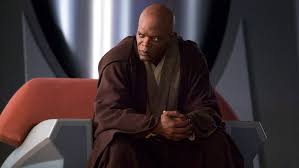
Ethan stands as the elder statesman of the group, a Jedi master who has survived the purges and maintained hope for the order’s restoration. His wisdom guides the younger members, though his past carries shadows that complicate his leadership. The remaining members consist of warriors and scholars who answered the call, each bringing unique skills to the rebuilt order. Their collective presence signals a genuine resurgence of Jedi power in this corner of the galaxy.
What Role Does the Lightsaber Crafter Play in the Order?
Juro occupies a fascinating position within the hierarchy. Rather than wielding a lightsaber in combat, he crafts them — a role that echoes the ancient Jedi traditions of building one’s own weapon. His workshop becomes a sacred space where the order’s future is literally forged.
The episode treats lightsaber construction as both art and ritual, giving Juro’s craft spiritual weight. His creations aren’t just weapons; they’re symbols of renewal. Each lightsaber he crafts carries the potential for a new Jedi to rise, making Juro the unsung architect of the order’s rebirth. This focus on the crafting process sets “The Ninth Jedi” apart from typical Star Wars storytelling, emphasizing creation over destruction. The other members depend on his skill to arm themselves for the challenges ahead. For more detail, see OpenAI Blog.
How Does the New Jedi Order Connect to the Larger Star Wars Canon?
The episode exists within the Visions anthology, which operates as an anthology of “what if” stories rather than strict canon. That creative freedom allows the filmmakers to explore ideas mainstream Star Wars might avoid.
The New Jedi Order here isn’t bound by the constraints of the Skywalker saga, giving it room to feel genuinely new. For other streaming adaptations in 2026, Star Wars: Visions sets a high standard for reimagining beloved franchises. The anthology format lets each episode stand alone while contributing to a larger creative experiment. Production I.G’s involvement brings Japanese animation expertise to a property that has historically been dominated by Western studios, creating a fusion that feels fresh and exciting. For more detail, see VentureBeat AI.
Why Does This Episode Matter for Star Wars Fans?
The appeal lies in seeing the Jedi not as a fallen institution but as a community rebuilding itself. The seven members represent different paths to the Force, from the warrior to the craftsman to the young prodigy.
Their collective story answers a question fans have asked since the prequels: what does a functioning Jedi Order actually look like? Yes, it’s an animated anthology episode, not a live-action blockbuster, but its ambition matches anything in the franchise’s recent output.
The ensemble cast brings distinct personalities to their roles, and the animation elevates the action sequences beyond what live-action could achieve. For fans who grew tired of the same Jedi tropes, this episode offers something genuinely different.
Wars officially: The Bottom Line: A New Beginning for the Force
Star Wars: Visions and “The Ninth Jedi” prove the franchise still has fresh stories to tell. The seven members of the new order — led by Kara’s journey and Juro’s craftsmanship — represent hope, tradition, and evolution in equal measure.
Production I.G’s animation and the episode’s thematic depth make it essential viewing for any Star Wars fan. The order may be new, but its spirit honors everything the Jedi once stood for. Stay tuned for more on Wars Officially.
Related Articles
- Clean Up Company Season 1 OTT Release Date: Ravi Kishan’s Dark Crime…
- EXCLUSIVE: Desi Viral MMS Videos of 2026—The Dark Side!
- Rajamouli Sets New Benchmark: 1500 Voices Sampled For Mahesh Babu Epic
FAQs
Is Star Wars: Visions considered official canon? No, the anthology operates as a creative experiment separate from the main canon timeline, allowing studios to explore alternative interpretations of the Star Wars universe.
Where can I watch “The Ninth Jedi”? The episode streams exclusively on Disney+ as part of the complete Star Wars: Visions anthology series. Will these characters appear in other Star Wars projects? There’s no confirmation of crossovers at this time, but the anthology’s success could inspire future collaborations with these studios.
Was this article helpful?
Your feedback directly improves future articles on this site.