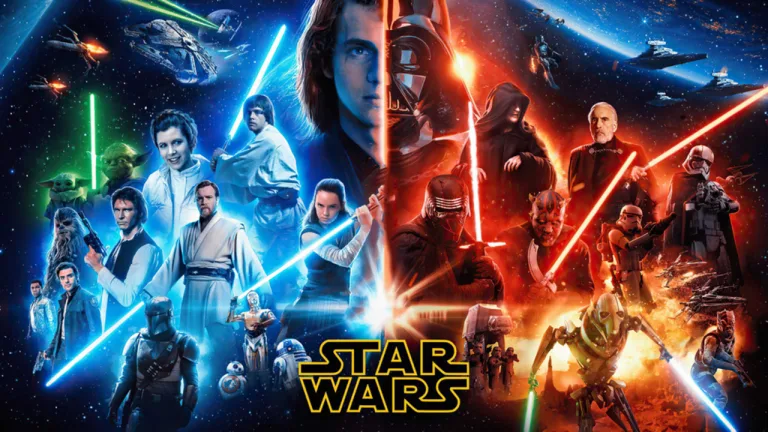
Star Wars Explained: On May 25, 1977, George Lucas premiered a modest sci-fi serial that would redefine cinema. Decades later, it’s still the essential starting point for newcomers navigating a sprawling franchise. Start with Star Wars: Episode IV – A New Hope—the franchise’s clearest entry point—and let the rest unfold in release order.
The 1977 Release: Why Episode IV Remains the Essential Entry Point
Star Wars: Episode IV – A New Hope was produced by Lucasfilm and led by Mark Hamill, Harrison Ford, and Carrie Fisher. The film arrived in theatres as the original Star Wars and established the screen identity that later viewers would associate with the franchise.
Since the film’s initial release, its title has been updated to include the Episode IV designation. The commercial and awards record explains why this starting point still matters. The film earned approximately $775 million worldwide across its initial and subsequent theatrical runs, while also winning 7 Academy Awards at the 50th Academy Awards ceremony.
That combination gives new viewers a practical reason to start here: the film is both the historical beginning of the screen franchise and a major theatrical success.
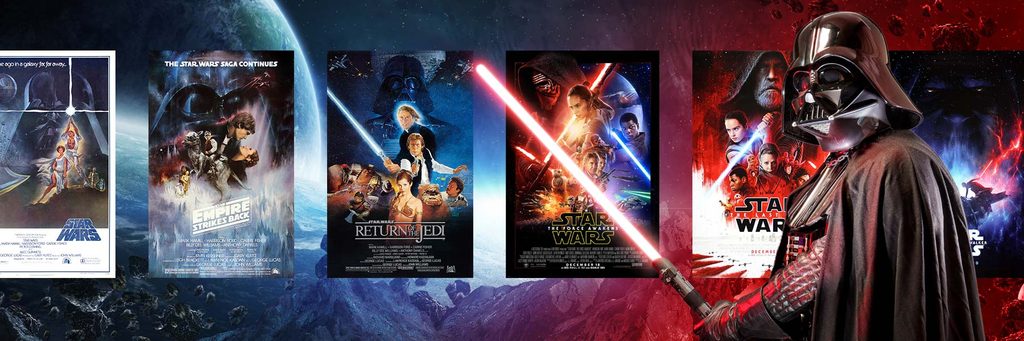
Viewing Order: Release Sequence vs. Chronological Timeline
A new viewer has three broad ways to approach the franchise. Each solves a different problem, but none removes every source of confusion.
| Viewing option | Main benefit | Main downside |
|---|---|---|
| Start with A New Hope | Preserves the original introduction | Later chronology may require adjustment |
| Follow release order | Tracks how audiences first experienced the series | The wider story may not feel chronologically arranged |
| Follow internal chronology | Places events in story order | It can reduce the impact of the original film’s introduction |
The best choice is the original-release approach, beginning with A New Hope. Release order protects the film’s historical role and lets viewers encounter the franchise through the same opening chapter that first reached audiences in 1977. Viewers seeking film-analysis context can also read our Dark Knight Explained coverage, where the focus is likewise on how a major movie’s construction shapes audience understanding.
The chronological option has a clear appeal, especially for viewers who prefer a clean timeline. Its downside? It can make the franchise feel like a sequence of background explanations rather than a series that introduced its world to audiences step by step. Release order therefore offers the stronger balance between history, accessibility, and narrative discovery.
Modern Accessibility: How Disney+ Changed Franchise Consumption
The original film’s scale creates the central challenge. A viewer sees a title carrying an Episode IV label, even though the film itself was the first Star Wars movie released theatrically.
That naming history can make the franchise seem harder to enter than it is, particularly for audiences used to streaming libraries that present stories in a simple season-by-season order. For more detail, see
Was this article helpful?
Your feedback directly improves future articles on this site.