NZ
NZ IND
IND NAM
NAM IRE
IRE MOZ
MOZ UGA
UGA Aston Villa
 Man City
 Rayo
Rayo Elche
Elche GMB
GMB ZMB
ZMB NGA
NGA LES
LES Cagliari
 Bologna
 IPS1
IPS1 NFO1
NFO1 ALA1
ALA1 MCF1
MCF1 TOR3
TOR3 MON2
MON2 BRE1
BRE1 NICE2
NICE2 TAS129/7 (23.3/35 ov, target 276)
 VIC304/7 (50 ov)
 WA
WA NSW38/1 (9/50 ov)
 NZ-A135/3 (41 ov)
 IND-A113
 DHA
DHA RAJ
RAJ MYMS
MYMS CHATT
CHATT RAN
RAN BAR
BAR SYL
SYL KHU
KHU MEX-W
MEX-W ARG-W
ARG-W UAE
UAE NED
NED AFG170/3 (34.3/50 ov, target 170)
 ZIM169
 IND-W200/1 (27.1/50 ov, target 198)
 ZIM-W197
 DOLPH56/0 (3.5/8 ov, target 56)
 SWD51/4 (8/8 ov)
 WSW1
WSW1 BRI1
BRI1 Como
Como Sassuolo
 Augsburg
 Union Berlin
 Cologne
 Schalke
 Mainz
Mainz Bremen
 RB Leipzig
 Elversberg
 VFB2
VFB2 BMG3
BMG3 AHL4
AHL4 KHA1
KHA1
Sony Interactive Entertainment reported strong Q3 FY2025 results, shipping 8 million PlayStation 5 consoles during the quarter and pushing lifetime PS5 sales to 92.2 million units. With a 76% digital download ratio and 132 million monthly active PSN users, PlayStation’s ecosystem demonstrates powerful momentum heading into the console generation’s mid-cycle phase.
Sony PlayStation Q3 FY25: Key Metrics
| Metric | Q3 FY25 Performance | Context |
|---|---|---|
| PS5 Units Sold (Quarter) | 8.0 million | Strong holiday performance |
| Lifetime PS5 Sales | 92.2 million | Approaching 100M milestone |
| Full Game Software Sales | 97.2 million units | Digital + physical combined |
| First-Party Software Sales | 13.2 million units | ~14% of total software |
| Digital Download Ratio | 76% | Up from ~70% previous quarters |
| PSN Monthly Active Users | 132 million | Slight decline from 136M (Q2) |
| Estimated Revenue | ~$7-8 billion (quarter) | Based on historical averages |
100 Million Units: A Milestone Within Reach
At 92.2 million lifetime sales, PS5 is on track to cross 100 million units by Q2 FY2026 (July-September 2026). For context:
- PS4 reached 100M after approximately 5 years (June 2019)
- PS5 launched November 2020—will hit 100M roughly 5.5-6 years post-launch
- PS2 (best-selling console ever at 155M) reached 100M in about 5 years
The slightly slower trajectory reflects chip shortages that constrained early PS5 availability (2021-2023), though recent quarters show supply normalisation enabling stronger shipment volumes.
For gaming enthusiasts following console wars on TechnoSports, PS5’s 92.2M places it comfortably ahead of Xbox Series X|S (estimated 30-35M) but behind Nintendo Switch (146M+ and still selling).
The Digital Revolution: 76% Download Ratio
76% of game purchases now occur digitally—a watershed moment reflecting:
- Convenience: Instant downloads beat physical disc logistics
- Sales frequency: PSN flash sales and regional pricing drive digital conversions
- Disc-less PS5 variants: Digital Edition and PS5 Slim Digital models normalize digital-only gaming
- Game Pass influence: Subscription services condition gamers toward download-based libraries
For Sony, digital sales deliver significantly higher profit margins (no manufacturing, distribution, or retail partner cuts) and create recurring PSN revenue through microtransactions, season passes, and DLC—explaining why Sony actively promotes digital editions.
Indian gamers on TechnoSports face a digital dilemma: while downloads offer convenience, India’s limited broadband penetration (especially for 100GB+ game files) and preference for physical disc resale markets mean physical purchases remain more popular domestically than the 76% global average suggests.
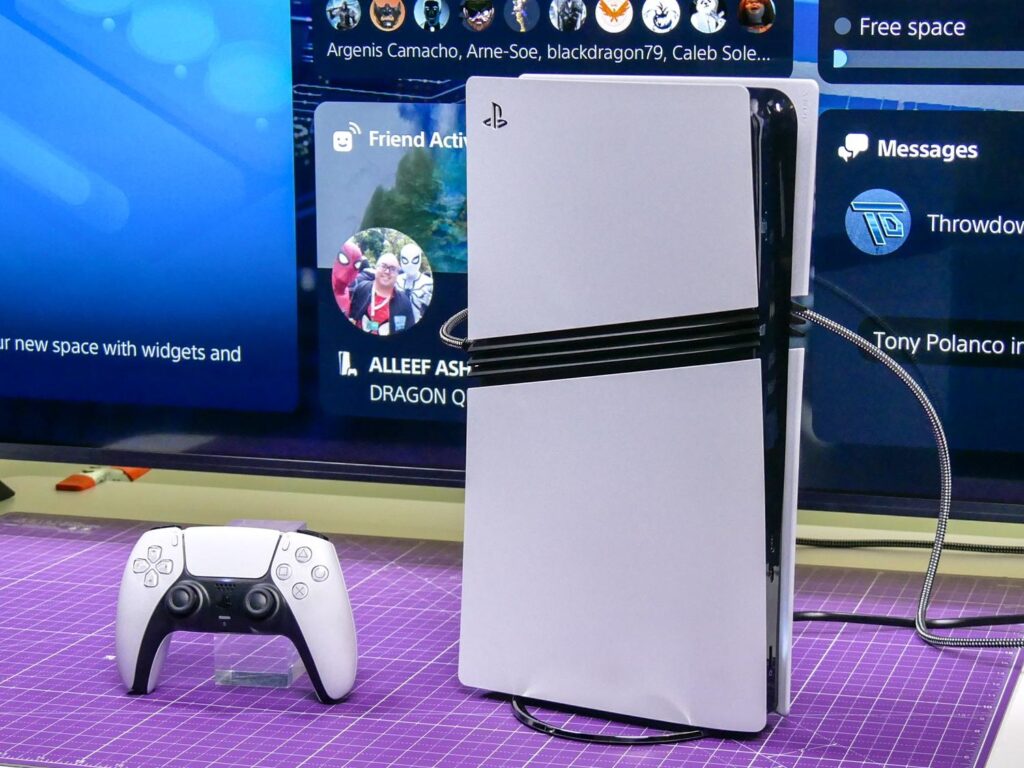
First-Party Weakness: Only 14% of Software Sales
13.2 million first-party game sales out of 97.2M total means Sony’s own studios (Naughty Dog, Insomniac, Santa Monica, Guerrilla) contributed just 13.6% of software volume—down from historical 18-20% averages.
This reflects:
- No major first-party holiday releases in Q3 2025 (October-December)
- Strong third-party competition from Call of Duty, EA Sports FC 25, Hogwarts Legacy, and multiplatform hits
- Live-service struggles (Helldivers 2 momentum faded, Concord failed catastrophically)
Sony’s pivot toward live-service games (12 planned titles announced in 2022) has stumbled badly, with most projects delayed or cancelled. The company is now reportedly refocusing on single-player narrative experiences—the tentpole exclusives (God of War, Spider-Man, The Last of Us) that built PlayStation’s brand but take 4-6 years to develop.
PSN Engagement: 132M Active Users (Slight Decline)
132 million monthly active users represents a 4 million user decline from Q2 FY25’s 136M—potentially reflecting:
- Seasonal engagement patterns (post-holiday normalization)
- Increased competition from free-to-play rivals (Fortnite, Apex Legends, Warzone)
- Xbox Game Pass subscriber retention efforts
- Mobile gaming cannibalizing console engagement hours
While 132M remains healthy, the decline warrants monitoring. Sony’s PlayStation Plus subscriptions (not disclosed separately) drive PSN engagement and recurring revenue, making user retention critical for profitability.
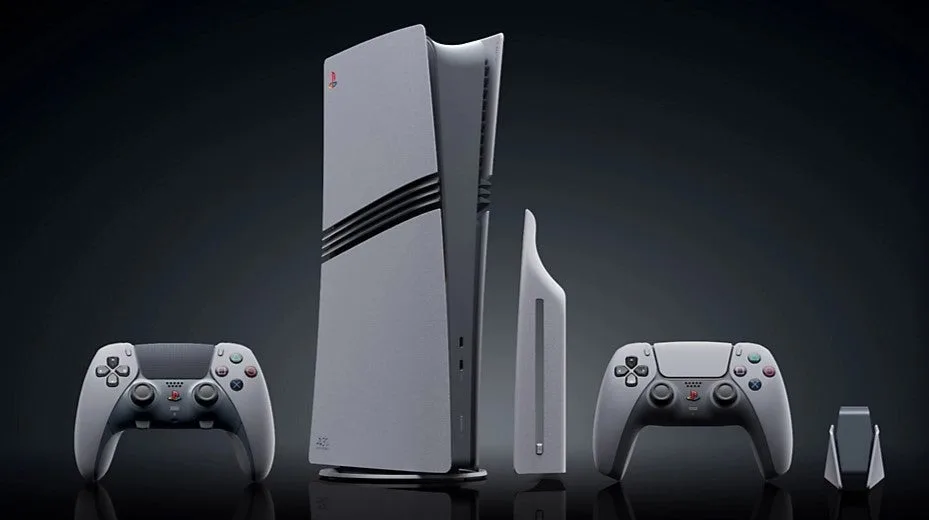
What’s Next: PS5 Pro and Mid-Cycle Refresh
With 92.2M consoles sold and approaching saturation among early adopters, Sony faces a mid-cycle challenge: maintaining momentum without a next-gen console until ~2028.
Expected strategies:
- PS5 Pro sales ramp (launched November 2024 at $699)
- Exclusive releases: Death Stranding 2 (2026), Ghost of Tsushima 2 (rumored), Wolverine (2026-2027)
- PSVR2 price cuts to drive VR adoption
- Continued price competition with Xbox Series consoles
For Indian gamers on TechnoSports, PS5 pricing remains a barrier—₹54,990 for Digital Edition, ₹59,990 for Disc Edition—making Xbox Series S (₹34,990) or gaming PCs more accessible alternatives for budget-conscious players.
The Verdict: Strong Quarter, Uncertain Roadmap
Sony’s Q3 FY25 results demonstrate PlayStation 5’s commercial success but expose strategic vulnerabilities:
Strengths: Hardware sales momentum, digital revenue dominance, massive user base
Weaknesses: First-party software output gaps, PSN user decline, live-service failures
As PlayStation approaches 100 million lifetime sales—a psychological milestone reinforcing market leadership—Sony must accelerate first-party game releases and prove its live-service pivot can deliver sustainable hits beyond traditional single-player blockbusters.
Follow PlayStation’s performance and gaming industry trends at TechnoSports—your source for console gaming news, earnings analysis, and esports coverage.
Data from Sony Interactive Entertainment Q3 FY2025 earnings report (October-December 2025 quarter).