Sony is reportedly preparing to release an OLED version of the PlayStation Portal in 2026, according to reliable hardware leaker Kepler_L2. The mid-cycle upgrade will enhance the streaming handheld’s display quality, while Sony simultaneously develops a more powerful standalone gaming handheld codenamed “Project Canis” featuring AMD‘s upcoming RDNA 5 architecture.
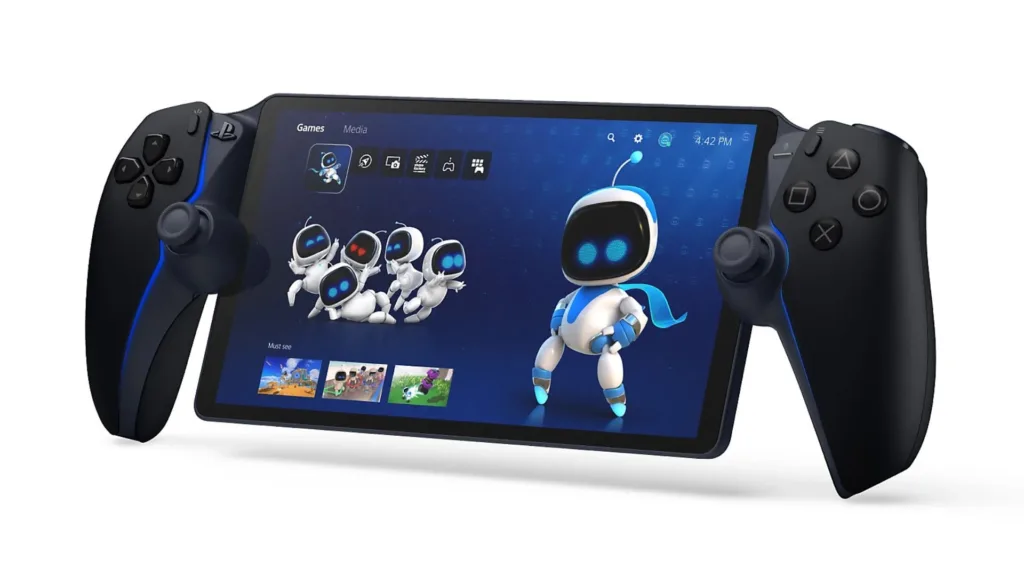
PlayStation Portal Gets Premium Display Upgrade
The current PlayStation Portal, which relies on streaming PS5 games, will receive a significant display upgrade with an OLED panel. This enhancement promises deeper blacks, superior contrast ratios, and more vibrant colors compared to the existing LCD screen—dramatically improving visual quality for remote play sessions.
| Device | Display | Capabilities | Expected Launch |
|---|---|---|---|
| PlayStation Portal OLED | OLED panel (current LCD) | Remote play streaming | 2026 |
| Project Canis Handheld | TBD | Native PS5 game support | Near PS6 launch |
The timing follows Sony’s recent software update that enabled cloud streaming on the Portal, making the OLED refresh particularly compelling for the streaming-focused audience. While some rumors suggest the upgrade could be called “PlayStation Portal Pro” with a 120Hz refresh rate, these details remain unconfirmed.
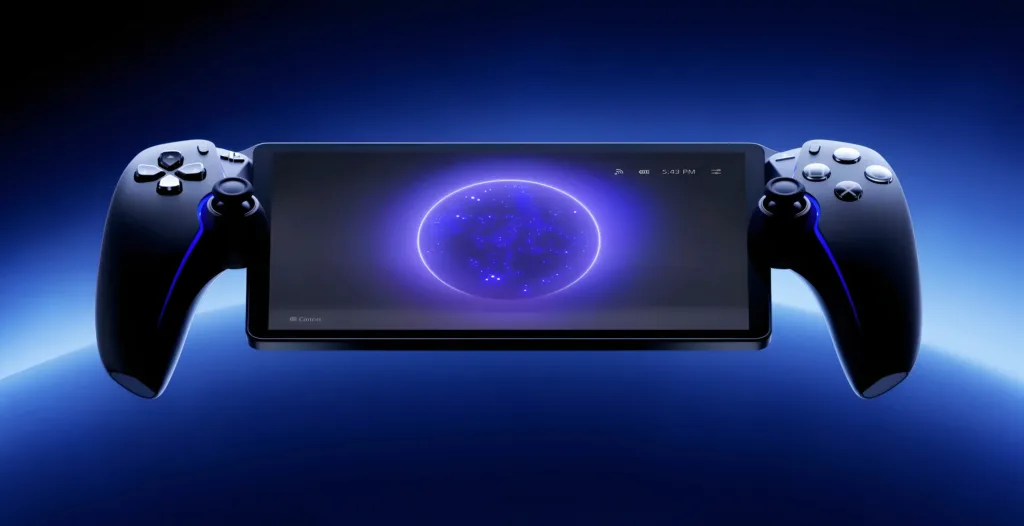
Standalone Handheld with RDNA 5 in Development
More significantly, leaked specifications reveal Sony’s native gaming handheld will utilize AMD’s RDNA 5 architecture (also known as UDNA). The device is configured with 16 Compute Units, down from earlier 20 CU rumors, prioritizing power efficiency for mobile gaming.
The 16 CU configuration appears optimized for approximately 15W thermal design power, typical for handheld devices. At this power level, a 20 CU GPU would suffer from memory bandwidth and thermal limitations without delivering meaningful performance gains over the more efficient 16 CU design.
Technical Specifications and PS5 Compatibility
Project Canis will reportedly feature LPDDR5X-9600 memory, emphasizing high data rates to compensate for the narrower memory bus common in mobile devices. This configuration aims to enable native playback of the existing PS5 game library by intelligently downscaling titles to run on the less powerful handheld hardware.
The standalone handheld is expected to launch close to the PlayStation 6 release window, positioning it as a companion device for Sony’s next-generation ecosystem rather than a current-gen accessory.

Strategic Handheld Expansion
Sony’s dual-handheld strategy addresses different market segments: the Portal OLED serves streaming enthusiasts who want to extend their PS5 experience, while Project Canis targets gamers seeking native portable PlayStation gaming—a category Sony abandoned after the PS Vita.
The RDNA 5-based handheld represents a significant technical leap, leveraging AMD’s next-generation GPU architecture expected to deliver substantial efficiency improvements over current RDNA 3 technology. With less than 40 Compute Units (likely 16 CUs), the device balances performance with battery life and thermal constraints.
Sony has not officially confirmed either device, but the Portal OLED is expected to arrive within calendar year 2026 if leaks prove accurate. The standalone handheld remains further out, aligning with the broader PS6 generation launch timeline.
For more gaming hardware news and console updates, visit TechnoSports.