India’s 2-1 series victory against Australia might not have been picture-perfect, but it revealed crucial strengths heading into the 2026 T20 World Cup. Despite struggles from established stars like Shubman Gill and Suryakumar Yadav, three players delivered performances that could reshape India’s T20 blueprint.
India’s T20I Series Performance Snapshot
| Player | Key Achievement | Impact Rating | World Cup Relevance |
|---|---|---|---|
| Arshdeep Singh | Player of Match performance after bench time | ⭐⭐⭐⭐⭐ Critical | Primary pace weapon |
| Axar Patel | All-round excellence in unfavorable conditions | ⭐⭐⭐⭐ High | Hardik Pandya cover |
| Abhishek Sharma | Consistent aggressive starts on bouncy tracks | ⭐⭐⭐⭐ High | Opening role cemented |
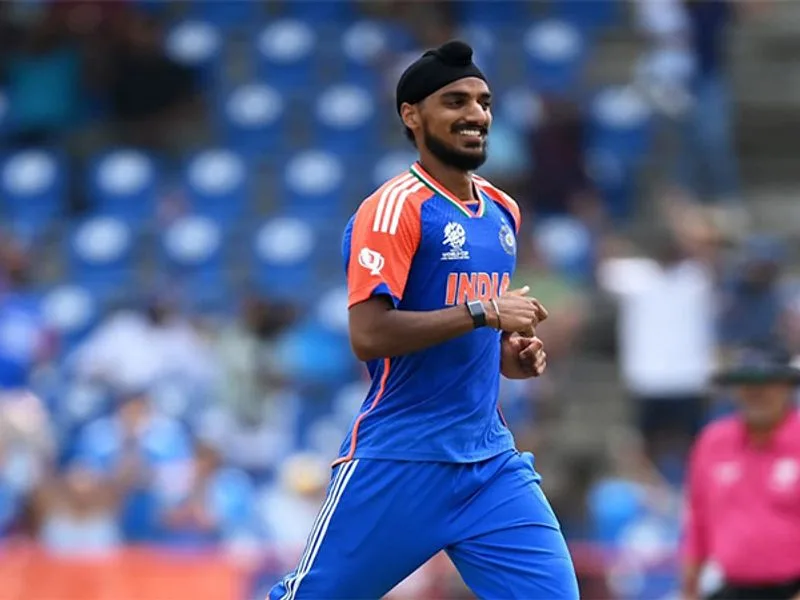
1. Arshdeep Singh’s Resilience: Bouncing Back from the Bench
Despite being India’s highest T20I wicket-taker, Arshdeep found himself warming the bench for the first two matches as Harshit Rana got the nod for batting depth. This could have shattered confidence, but the left-arm seamer responded emphatically.
Match-Winning Return: Upon his return, Arshdeep immediately claimed a Player of the Match award, consistently troubling Australian openers with his trademark swing and variations. His ability to deliver match-winning spells after extended bench time demonstrates mental fortitude—a non-negotiable trait for World Cup pressure situations.
Strategic Implication: India’s bowling attack looks significantly more potent with Arshdeep leading the pace attack, even when it means sacrificing lower-order batting depth.
2. Axar Patel’s All-Round Mastery in Hostile Territory
Previously questioned for overseas performances, Axar Patel silenced critics with a standout series combining intelligent bowling and valuable batting contributions.
Bowling Intelligence: On surfaces offering minimal turn, Axar used angles brilliantly from the crease, restricting Australia’s power-hitters and breaking partnerships consistently. His economical spells (despite lacking turn assistance) showcased tactical maturity.
Batting Flexibility: Contributing vital cameos from varying positions, Axar proved he’s evolved beyond a one-dimensional spinner. With Hardik Pandya absent, Axar’s all-round capabilities become even more valuable.
This performance solidifies Axar as a genuine Hardik Pandya alternative—crucial insurance for India’s World Cup planning. For more insights on India’s T20 World Cup preparations, explore our tactical analysis series.
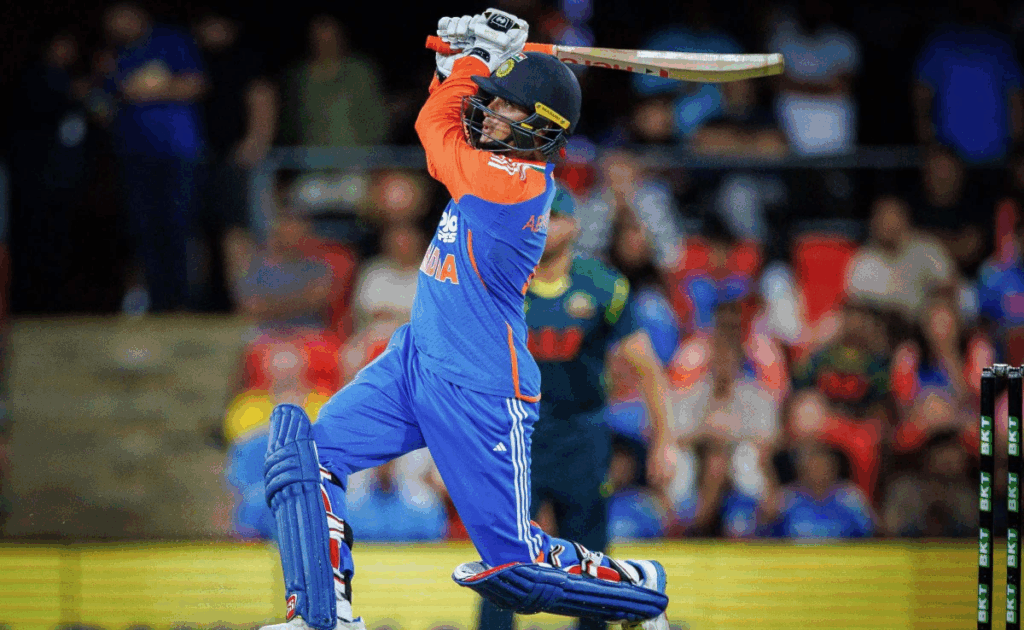
3. Abhishek Sharma: Fearless Aggression on Challenging Pitches
The aggressive left-hander passed a crucial test, adapting to Australian bounce and pace while maintaining his attacking intent. Though he received occasional reprieves and battled uncomfortable deliveries, Abhishek consistently provided flying starts.
Opening Role Locked: His dynamic approach has now succeeded across various conditions and against different bowling attacks—even without significant support from partners. This versatility cements his position as India’s first-choice explosive opener.
World Cup Asset: Having an opener willing to take calculated risks from ball one gives India tactical flexibility, especially on sluggish pitches where early momentum proves decisive.
Stay updated with comprehensive Indian cricket team analysis and player performance breakdowns as the World Cup approaches. Visit the official BCCI website for exclusive behind-the-scenes content and match statistics.
The Bigger Picture: Building World Cup Momentum
While concerns remain about middle-order inconsistency, these three performances address critical areas. India now possesses:
- A match-winning pace spearhead (Arshdeep)
- A reliable all-round option (Axar)
- An explosive opening partnership foundation (Abhishek)
Frequently Asked Questions
Q: Why was Arshdeep Singh dropped initially if he’s India’s leading T20I wicket-taker?
India prioritized team balance by selecting Harshit Rana, who offers additional batting depth at number eight. With specialist spinners Varun Chakaravarthy and Kuldeep Yadav in the XI, the team needed lower-order batting support. However, Arshdeep’s immediate impact upon return proved his value outweighs the batting trade-off, sparking debates about selection priorities ahead of major tournaments.