

Samsung’s 200MP sensor technology is one of the most impressive feats in mobile imaging — yet the company keeps deploying it where it matters least. As Android Authority flagged, Samsung’s flagship phones continue to reserve the 200MP shooter for ultrawide or periscope telephoto roles, while the primary camera — the one most users rely on for every single shot — stays locked to lower-resolution sensors.
How Samsung’s 200MP Sensor Ended Up on the Wrong Camera
Samsung introduced its 200MP ISOCELL HP series sensors starting with the Galaxy S23 Ultra in early 2023. The sensor debuted as the primary camera on that device — a solid start. But here’s where things got weird: subsequent flagship lineups began shifting the 200MP unit to secondary roles like ultrawide or periscope telephoto positions.
The Galaxy S25 Ultra, for instance, uses a 200MP periscope telephoto while the main camera runs a 50MP unit. That’s a deliberate hardware decision — and arguably the wrong call.
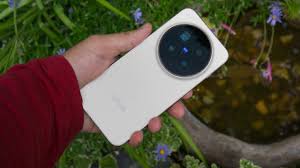
Why Misplacing the 200MP Sensor Costs Real-World Image Quality
Think about it: most users shoot roughly 90% of their photos through the primary camera. When you bin a 200MP sensor down to 12.5MP, you’re actually getting cleaner, more detailed low-light images because the sensor captured way more raw data per frame. Sticking that advantage in a telephoto slot — which people use far less often — is a trade-off that hurts everyday photography.
Android Authority made this point clear. Competitors like OPPO’s ultrawide experiment show there’s no one-size-fits-all answer, but Samsung’s primary camera deserves the upgrade most.
200MP Sensor: Critical Data Points and Spec Comparison
| Device | 200MP Role | Main Camera |
|---|---|---|
| Galaxy S23 Ultra | Primary | 200MP |
| Galaxy S25 Ultra | Periscope Telephoto | 50MP |
| Galaxy S24 Ultra | Primary | 200MP |
Samsung’s ISOCELL HP2 sensor measures 1/1.3 inches — large enough to dominate primary camera performance. The pixel binning tech collapses the 200MP output into 12.5MP for standard shots, which dramatically improves how much light each pixel captures.
Reactions From Around the Industry
Camera enthusiasts and reviewers aren’t holding back. XDA Developers and GSMArena both flagged that moving the 200MP unit away from the primary slot feels like a step backward for flagship photography. Worth noting: analysts tracking camera decisions have spotted a pattern where hardware choices increasingly follow software strategy rather than pure imaging logic.
Next Steps: What Samsung Needs to Change
Samsung’s Galaxy S26 Ultra is expected sometime in 2026. The real question isn’t whether the company can make a good phone — it’s whether Samsung restores the 200MP sensor to primary camera duty. Apple’s been aggressive with camera upgrades, and iPhone photography has become a serious competitive weapon.
Samsung can’t afford to keep its best sensor sitting on the sidelines. The imaging war demands boldness, not caution.
People Also Ask
Q: Which Samsung phones have a 200MP camera?
The Galaxy S23 Ultra, S24 Ultra, and S25 Ultra all feature 200MP sensors, though their placement within the camera array varies by model.
Q: Does a 200MP camera actually take better photos?
Not automatically. Sensor placement, lens quality, and processing software all matter. A 200MP sensor on the primary camera with strong pixel binning delivers the clearest everyday shots.
Q: Why did Samsung move the 200MP sensor to telephoto?
Samsung appears to prioritize zoom versatility in recent Ultra models, using the 200MP sensor’s resolution for lossless crop zoom rather than primary wide-angle photography.
Q: Will the Galaxy S26 Ultra have a 200MP main camera?
No confirmed specs exist yet, but industry speculation suggests Samsung may reconsider primary camera placement for the S26 Ultra lineup.


