Top-tier game development requires creative control. Saber Interactive, the studio behind hits like Space Marine 2 and the John Wick Hex franchise, recently turned down not one but two offers for what its chief creative officer described as “the coolest IP ever.” The decision reveals something important about modern game development: bigger franchises don’t automatically lead to better games.
Why Game Development Studios Walk Away From Massive Deals
Saber Interactive didn’t reject these offers out of ego. The studio’s leadership understood something critical: game development works best when creative vision stays intact. Licensing legendary IP typically comes with strings attached—approval processes, brand guidelines, and stakeholder demands that can kill innovation.
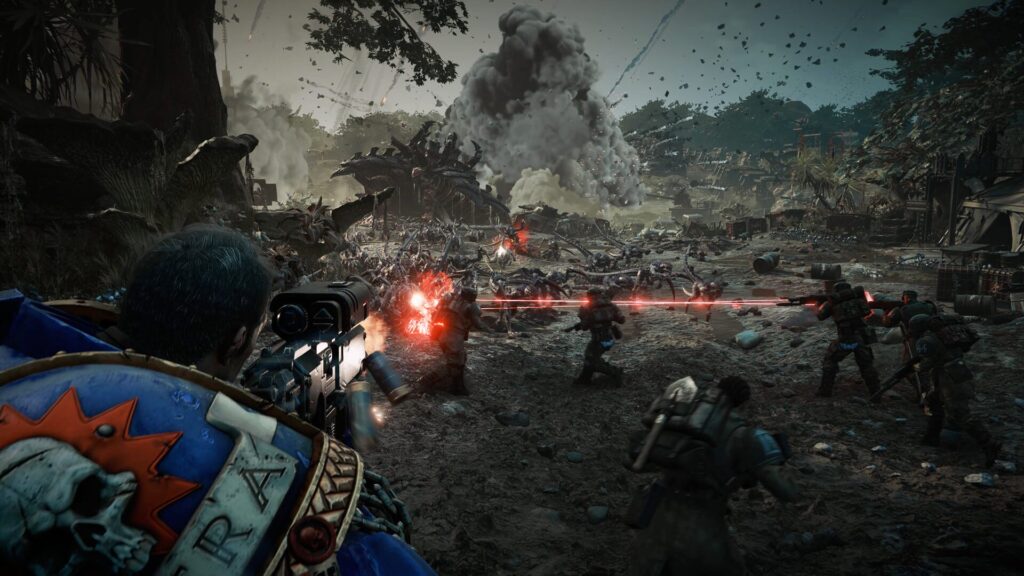
The studio’s already proven it can elevate existing franchises. Space Marine 2 became a hit precisely because Saber Interactive brought fresh ideas to Warhammer’s universe. Yet that success didn’t push them toward chasing every available license. Instead, they’re focusing on building something entirely their own—a project where creative decisions come from pure instinct, not licensing agreements.
The Real Cost of Legendary Franchises
Most players don’t realize how expensive legendary IP actually is. Licensing fees alone can eat up 15-30% of a project’s budget. Throw in legal oversight, brand management, and required creative revisions, and you’re not really making games anymore—you’re protecting intellectual property.
Saber Interactive’s rejection shows how elite studios are rethinking this approach. Instead of chasing prestige through borrowed franchises, they’re betting on original concepts. That’s significant because gaming innovation breakthroughs increasingly come from studios willing to take creative risks—not from safe, licensed properties.
The studio’s track record proves the strategy works. They’ve handled beloved franchises like John Wick successfully, which means they could execute any IP. But they chose to step back. That’s uncommon. That’s smart.
What This Means for Game Development’s Future
Saber Interactive’s decision reflects how the industry’s maturing. Game development isn’t a race for the biggest licenses anymore. Studios now recognize that creative autonomy—the ability to make bold, unconventional choices—often produces better games than working within restrictive IP frameworks.
This approach aligns with how AI-powered gaming experiences are evolving. Modern game design increasingly demands flexibility to experiment, iterate, and innovate without approval cycles slowing things down.