Your wallet might soon feel a little different. The government has cleared field trials for Rs 10 and Rs 20 polymer banknotes, and while headlines are buzzing, here’s the one thing to know upfront: your paper notes aren’t going anywhere just yet.
What Got Approved
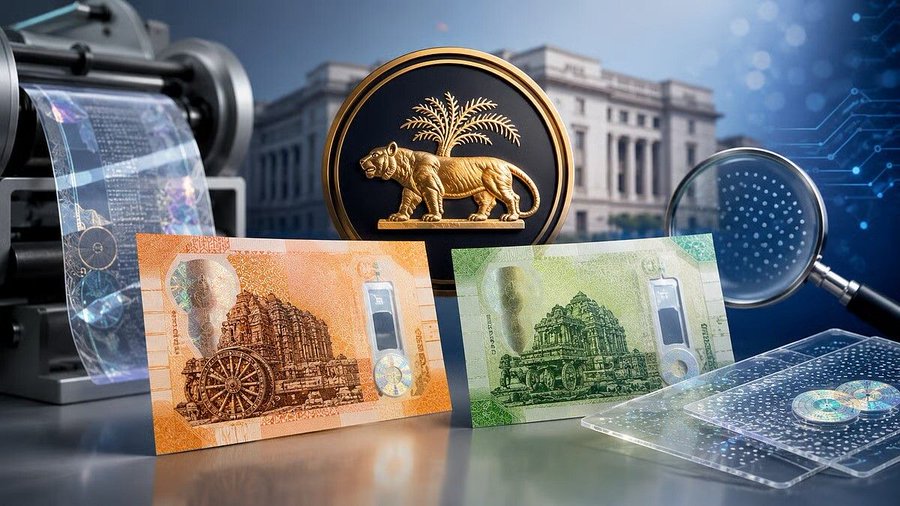
The Centre has approved the Reserve Bank of India’s (RBI) proposal to field-test polymer currency notes in Rs 10 and Rs 20 denominations. As part of the trial, the RBI will issue one billion polymer banknotes each for these two denominations, rolling them out nationwide to test real-world durability and performance. Minister of State for Finance Pankaj Chaudhary confirmed the approval in a written reply to the Lok Sabha on July 27, 2026.
Polymer Notes: Paper Currency Isn’t Going Away
This is the part that’s easy to miss in the excitement: the Finance Ministry has been explicit that this is not the start of a shift away from paper money. There is currently no proposal to replace paper-substrate banknotes with polymer ones — both are expected to circulate side by side if the trial succeeds.
| Aspect | Paper Notes (Current) | Polymer Notes (Trial) |
|---|---|---|
| Material | Cotton-based substrate | Plastic-based substrate |
| Durability | Wears out faster, especially low denominations | Significantly more durable |
| Counterfeiting resistance | Standard security features | Advanced, harder-to-copy features |
| Lifespan in circulation | Shorter, frequent replacement needed | Longer, reduces replacement costs |
| Current status | Fully in circulation | Trial phase, 1 billion notes each denomination |
Why Rs 10 and Rs 20 Specifically
Lower-denomination notes see the heaviest daily use in cash transactions, which means they deteriorate the fastest and need frequent replacement — a real cost burden for the RBI. Polymer notes, already used successfully in countries like the UK, Australia, Canada, and New Zealand, are known to last far longer and resist counterfeiting better than paper. You can read more about how polymer currency works globally on Wikipedia’s polymer banknote entry.
The government has also clarified it’s too early to gauge how this trial might affect the broader digital payments ecosystem, since the rollout is currently limited to test batches.
For more updates on India’s economic and financial policy news, check out our business coverage on Technosports.