SA329 (82.3 ov)
 AUS
AUS ROMA2
ROMA2 CAG2
CAG2 TOR1
TOR1 COMO0
COMO0 BRD2
BRD2 PET0
PET0 FLE1
FLE1 ARS1
ARS1 BAN
BAN WI
WI IND-W
IND-W ZIM-W
ZIM-W GOA
GOA SC Delhi
 Milan
Milan Bologna
 Parma
Parma Udinese
 Venezia
 Inter Milan
 Genoa
Genoa Juventus
 Monza
Monza Napoli
 SAS2
SAS2 LAZ6
LAZ6 AFG177
 ZIM140 (19.1/20 ov, target 178)
 ABH0
ABH0 ALF1
ALF1 PAK110
 SL114/2 (18.1/50 ov, target 111)
 SIKM184
 NAGA187 & 46/4 (34 ov)
 JHK131/4 (47 ov)
 DELHI515/5d
 ODSA194
 SVCS13/0 (5 ov)
 BRODA616
 J & K6/0 (4 ov)
 CHD685/5d
 HP49/0 (14 ov)
 CGR216/8 (95 ov)
 AP231
AP231 HYD193/2 (54 ov)
 PNJB431
 KNTKA297/7 (95 ov)
 TPURA194
 KER101/6 (35 ov)
 BENG350
 MAHA278/9 (100 ov)
 GUJ223
 MNPR364
 ARP111 & 95/2 (36 ov)
 UAE
UAE OMA
OMA ENG
ENG AUCK
AUCK CANT
CANT CD
CD ND
ND DEN
DEN QAT
QAT KENYA
KENYA KUW
KUW NAM316/7
 IRE253 (44.5/50 ov, target 317)
 NZ198/3
 IND199/4 (13.2/20 ov, target 199)
 NED371/5
 JAB113 (19.3/20 ov, target 133)
 KAY132/9
 ALC1
ALC1 LPA3
LPA3 TORD3
TORD3 MIR3
MIR3 LLA1
LLA1 PON1
PON1 BVV2
BVV2 RKC2
RKC2 DON2
DON2 EXT2
EXT2 MNR0
MNR0 AND0
AND0 DOR2
DOR2 SVW2
SVW2 BMG2
BMG2 KSC0
KSC0 Gamba Osaka
 Buriram
 Kashima
 Pohang Steelers
 Sevilla2
 Osasuna0
 PSG2
PSG2 Lyon0
Lyon0 Mohun Bagan1
 Chennaiyin0
 ALS3
ALS3 HIL1
HIL1
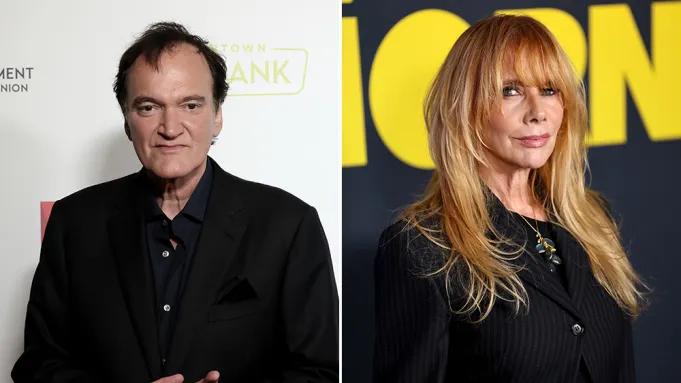
Quentin Tarantino has directly responded to Rosanna Arquette’s recent criticism over his repeated use of racial slurs in his films, defending his artistic choices and challenging the actress’s characterization of his work. This rare public confrontation between the filmmaker and one of his former collaborators has escalated a debate that’s been simmering in Hollywood for years about creative freedom versus social responsibility.
What Rosanna Arquette Actually Said
Arquette, who appeared in Tarantino’s 1994 film Pulp Fiction, recently criticized the director’s prolific use of the N-word across his filmography. She argued that the language choices reflected outdated attitudes and questioned whether such dialogue was narratively necessary in contemporary storytelling. Her comments have resonated with broader cultural conversations about how legacy directors handle racial language in their work.
Worth noting: Arquette’s critique wasn’t alone in the room. Multiple actors from Tarantino’s productions have expressed discomfort with the repeated use of slurs during filming and in post-production discussions.
Quentin Tarantino’s Direct Rebuttal
Tarantino rejected Arquette’s framing entirely. His dialogue reflects authentic period settings and character authenticity, he argued. Removing such language would constitute historical revisionism and compromise artistic integrity, he contended. He also pointed to his consistent hiring of Black directors, cinematographers, and crew members as evidence of his commitment to inclusive filmmaking.
“Every word serves a purpose,” Tarantino asserted, pushing back against what he characterized as performative activism. His response suggested frustration with actors who worked on his films without objection but later publicly distanced themselves from the projects (according to VentureBeat AI).
The Broader Hollywood Reckoning
This confrontation arrives amid a larger industry debate about artistic expression versus social accountability. Directors face mounting pressure to justify creative choices that audiences increasingly scrutinize through contemporary moral lenses. Yet Tarantino’s track record shows consistent box office success and critical acclaim despite — or perhaps because of — his unflinching approach to dialogue.
Here’s the thing: should filmmakers self-censor historical accuracy for contemporary comfort, or should audiences contextualize art within its narrative framework? Tarantino’s position suggests he won’t compromise on either front (as reported by OpenAI Blog).
FAQ
Q: Why is Quentin Tarantino defending his use of racial slurs in films?
He argues the language reflects authentic period settings and character voices. Removing it, he contends, constitutes historical revisionism that compromises artistic truth.
Q: Did Rosanna Arquette work directly with Tarantino?
Yes. She appeared in Pulp Fiction (1994) and has now publicly criticized the experience years later, raising questions about when and why actors voice such concerns.
Q: How has the industry responded to this debate?
Opinion remains divided. Some support artistic freedom, while others believe filmmakers should find alternative approaches to convey historical context without slurs.
Q: Will this affect Quentin Tarantino’s future projects?
His commercial success suggests audiences separate artistic intent from moral judgment. That said, continued criticism may influence how studios greenlight similar projects.