
 SA329 (82.3 ov)
 AUS
AUS BAN
BAN WI
WI IND-W
IND-W ZIM-W
ZIM-W GOA
GOA SC Delhi
 Milan
Milan Bologna
 Parma
Parma Udinese
 Venezia
 Inter Milan
 Genoa
Genoa Juventus
 Monza
Monza Napoli
 ROMA4
ROMA4 CAG2
CAG2 TOR1
TOR1 COMO3
COMO3 SAS2
SAS2 LAZ6
LAZ6 AFG177
 ZIM140 (19.1/20 ov, target 178)
 AUCK
AUCK CANT
CANT CD
CD ND
ND SIKM184
 NAGA187 & 46/4 (34 ov)
 JHK131/4 (47 ov)
 DELHI515/5d
 ODSA194
 SVCS13/0 (5 ov)
 BRODA616
 J & K6/0 (4 ov)
 CHD685/5d
 HP49/0 (14 ov)
 CGR216/8 (95 ov)
 AP231
AP231 HYD193/2 (54 ov)
 PNJB431
 KNTKA297/7 (95 ov)
 TPURA194
 KER101/6 (35 ov)
 BENG350
 UAE
UAE OMA
OMA ENG
ENG SL
SL DEN
DEN QAT
QAT KENYA
KENYA KUW
KUW POA
POA SPR
SPR BRB
BRB VAG
VAG PAK110
 NAM316/7
 IRE253 (44.5/50 ov, target 317)
 NZ198/3
 IND199/4 (13.2/20 ov, target 199)
 NED371/5
 JAB113 (19.3/20 ov, target 133)
 KAY132/9
 Gamba Osaka
 Buriram
 Kashima
 Pohang Steelers
 ABH0
ABH0 ALF1
ALF1 Sevilla2
 Osasuna0
 PSG2
PSG2 Lyon0
Lyon0
For consumers and OEMs, the conflict is simple: higher peak clocks can mean higher performance, but they also intensify expectations around sustained performance, thermals, and battery efficiency.
The question for 2027-era phones is whether OEMs can convert that raw figure into day-to-day speed without turning power draw into a trade-off they cannot justify.
Key Details: What Qualcomm Confirmed About 5GHz
Qualcomm officially confirmed on Wednesday, August 26, 2026, that its next Snapdragon flagship platform will reach a clock speed of 5GHz.
That matters because Snapdragon “flagship” chips have historically been judged not only on peak frequency but also on how well they maintain performance across gaming sessions, heavy camera workloads, and long navigation use. Worth noting: a 5GHz claim changes how reviewers will test the platform.
Instead of treating high clocks as a short burst, benchmarks will be pushed to validate whether the phone can hold performance under sustained thermal limits. In India’s heat and humidity, that distinction becomes even more important for real-world perception.
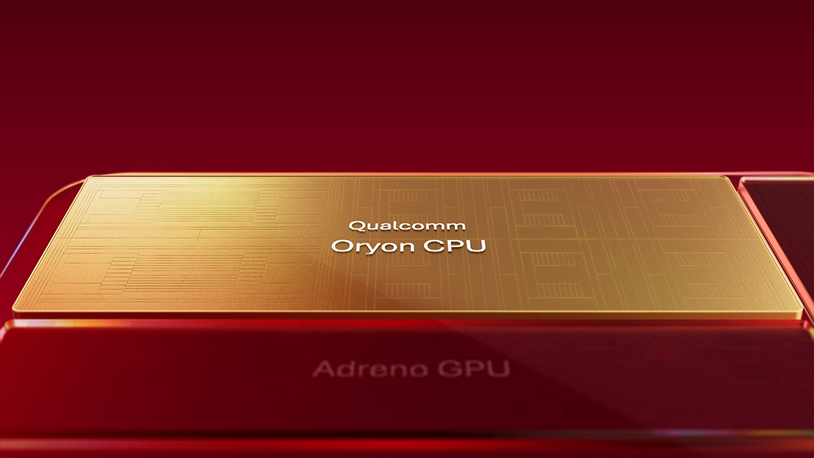
Here’s the thing: clock speed alone is not the full story, but it sets a new baseline for expectations from OEM marketing to silicon-level tuning. Qualcomm’s confirmation also narrows the rumor gap for device makers planning product cycles around a “flagship tier” silicon target.
Context: Why 5GHz Changes Expectations for Flagship Phones
For flagship buyers, 5GHz implies two competitive pressure points. First, gaming and AI-assisted camera features will demand sustained throughput, not just quick spikes.
Second, OEM tuning will be forced to answer a hard question: how do you keep clocks high while keeping skin temperature and battery drain within a tolerable band? That said, the platform clock number will also influence software behavior.
Android scheduling, game mode profiles, and camera pipeline timing all react to the chip’s available headroom.
So even if the GPU, NPU, and memory subsystem stay the same “generation-to-generation,” a 5GHz-ready CPU configuration can still shift the way apps feel—especially for heavy multitasking and physics-driven titles. Finally, this confirmation affects the competitive story against other premium ecosystems.
If Qualcomm’s next flagship platform is positioned around a 5GHz ceiling, rival chip strategies will have to counter with either higher efficiency per cycle, a more aggressive cache/memory architecture, or better sustained performance under load.
The Numbers Breakdown: What “5GHz Reaches” Means Operationally
Qualcomm’s confirmation centers on reaching a 5GHz clock speed, but the user experience depends on how that interacts with power and thermal constraints. Below is a practical breakdown of what teams will optimize for once a 5GHz target becomes real for the silicon roadmap.
| Metric teams will tune | What 5GHz changes | What to watch in reviews |
|---|---|---|
| Sustained CPU performance | Higher peak needs stronger thermal control | Frame stability over minutes, not seconds |
| Power efficiency under load | More clock headroom can raise draw | Battery drop during gaming/camera sessions |
| SoC scheduling behavior | OS/game modes will chase available headroom | Stutter patterns during multitasking |
| Thermal throttling thresholds | Higher clocks increase heat pressure | Skin temperature, clock dips, sustained scores |
We should also be clear about the source confidence level: the verified fact is that Qualcomm officially confirmed the 5GHz clock target, but Qualcomm did not attach every performance detail in the same breath, so sustained behaviour remains a device-tuning story.
The conflict for OEMs is that they can chase benchmark peaks—or they can optimize for consistent comfort.
What’s Next: OEM Designs, Benchmarks, and the India Angle
The immediate outcome is that flagship device roadmaps will start aligning around a platform that can clock up to 5GHz. That means OEMs will likely revise cooling solutions, power management strategies, and performance profiles earlier in the cycle to avoid the “high clock, fast throttle” outcome that disappoints buyers.
Here’s the thing for India: ambient conditions make thermal headroom more fragile, so the real winner will be the brand that converts the platform capability into sustained performance without sacrificing battery life.
Expect review cycles to compare not just single-run scores but long sessions across hotspot-heavy use cases like 4K video capture, PUBG-style gaming, and navigation with screen brightness pushed. Worth noting: consumers will also see this in user-facing settings.
Game booster modes, camera capture options, and even background app behavior may be tuned to exploit the 5GHz ceiling when cooling headroom is available, then back off smoothly to preserve comfort.
In the next flagship wave, the protagonist is Qualcomm’s platform, the conflict is peak-vs-sustained execution, and the resolution will show up in real benchmarks across heat, time, and battery constraints—starting with the first commercial phones built around this confirmed 5GHz-ready Qualcomm Snapdragon.
Related Articles
- Qualcomm Snapdragon
- TRUSTNOW Launches EKAM: India’s First Governance Platform for Autonomous AI Agents
- Huawei and HP Ink Global Patent Deal to Expand Wi-Fi Licensing Reach
FAQs
Will Qualcomm’s next Qualcomm Snapdragon platform always run at 5GHz?
No, clock speeds typically vary based on workload and thermal conditions, even if the platform is capable of reaching 5GHz.
Does 5GHz automatically mean better gaming performance on every phone?
Not automatically. Sustained performance depends on cooling, power management, and game optimization, even when the CPU can reach 5 GHz.
When will phones with this Qualcomm Snapdragon flagship platform arrive?
Device timelines depend on OEM product cycles and availability, but the platform confirmation sets expectations for the next flagship generation.
Will this impact power usage and battery life?
It can, since higher clocks can increase power draw under heavy loads, so OEM tuning and thermal design will strongly influence battery outcomes.
How should buyers judge the 5GHz claim?
Buyers should look at sustained test results—long gaming sessions, repeated camera workloads, and temperature checks—rather than only short benchmark peaks.
Was this article helpful?
Your feedback directly improves future articles on this site.


